 MyDogBreeds
 Gully Terrier is originated from India but Scotch Collie is originated from United Kingdom. Both Gully Terrier and Scotch Collie are having almost same height. Both Gully Terrier and Scotch Collie are having almost same weight. Both Gully Terrier and Scotch Collie has almost same life span. Both Gully Terrier and Scotch Collie has same litter size. Both Gully Terrier and Scotch Collie requires Moderate maintenance.
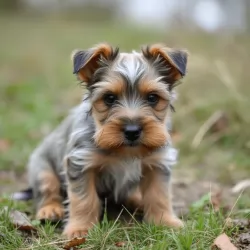 The Gully Terrier originated in India as a street dog, a mix of indigenous Indian Pariah Dogs and bully breeds like Pit Bulls and American Bulldogs.
Developed primarily for protection and hunting, they were used as guard dogs in urban and semi-urban areas. The name "Gully" refers to the narrow alleys and streets where these dogs were often found, while "Bully" highlights their muscular, strong build inherited from bully breeds.
Known for their loyalty, alertness, and protective instincts, Gully Terriers became valued companions for families in need of a strong, resilient dog that could thrive in tough environments.
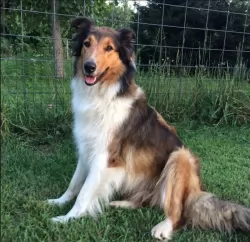 The landrace breed, which started in the highlands of Scotland is known as the Scotch Collie. There were at the time two types of collies – the Rough or long haired collie and the smooth or short haired collie. The Scotch Collie is considered to be from a line of very ancient herding dogs. It might have existed in the days of the Roman Empire, these herding dogs might have included the Native Celtic Dogs, Roman Cattle Dogs, Gordon Setter, Viking Herding Spitzes and Irish Setters.
In its native land the Scotch Collie is often called the colley dogs, coaly and cooley. Collie comes from the Scottish words for black coal – or the Coaley Sheep they herded. In addition to herding, the Scotch Collie also acted as a hunter and guard dog for its family. A large group of these collies were exported to America to work on family farms. Soon they were so popular they became family pets. They were first shown in both England and America in in the mid to late 1800’s.
The Scotch Collie Club was formed in 1885 and the breed accepted into the AKC the same year. The Collie Club of America started the following year. The AKC eventually dropped the moniker Scotch in favor or Rough and Smooth Collie. This move also separated the show dogs from the still working/herding Scotch Collies.
Aa time went on and the collie became more prominent in conformation competitions, some breeders mixed in the Greyhound and perhaps the Borzoi to get the collie we see today. The Scotch Collie itself eventually lost its independent recognition in the UKC and the NKC. It was mixed in with the English Shepard, but it was an important element in the development of the Australian Shepard, Shetland Sheepdogs and Border Collies.
The breed had a revival of sorts in the early 2000’s as the Old Time Scotch Collie. Any type of farm collie in America and Canada can be registered in the OTSCA. They are more often referred to as Old Time Farm Shepherds to avoid confusion them with the very popular collies. In 2017 there were 174 of these OTSCA dogs. Collies today have less working instincts, and the heeling instinct seems to be gone.
Today the show version of the Scotch Collie is recognized by both the AKC and UKC in the herding group.
It has been said of the Scotch Collie that they have “the majesty of a lion, the pride of a great thoroughbred stallion, the confidence of a Winston Churchill.”
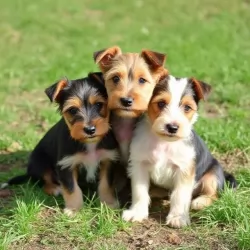 The Gully Terrier is a medium-sized, muscular dog known for its agility, loyalty, and protective nature. With a short, dense coat that comes in various colors, including black, brown, tan, and white, this breed has a distinctive appearance, often with a strong, powerful build.
The Gully Terrier is highly energetic and requires regular exercise to stay happy and healthy. Its intelligent, alert, and sometimes independent nature makes it a great guard dog and companion, although consistent training is necessary to manage its strong-willed personality.
This breed is well-suited for active families or individuals looking for a devoted and protective dog with a loving but protective demeanor.
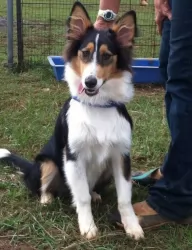 This Scotch Collie is an athletic, intelligent, well-balanced and alert dog. This collie has no exaggerated features like the long nose/muzzle of the current collies. This Scotch Collie is sound in mind and body, a hard working dog. He is hearty and versatile. They are longer than they are tall. Their heads are moderate and the stoop is well defined. They have a wide, flat skull. Their lips are tight and they are fitted well.
Their ears are also moderate in size and pointed or partially erect. They should not have long or droopy ears. They have eyes that might be oblique, almond, and round. The eyes are usually brown and merles may have blue eyes. The breed has a deep chest, broad shoulders and a long tail. There are also some bobtails that occur naturally.
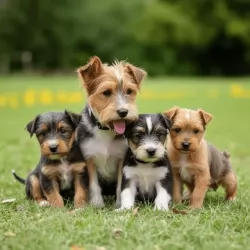 The Gully Terrier is a loyal, energetic, and intelligent breed with a strong, muscular build. Known for their protective nature, they make excellent guard dogs, staying alert and watchful of their surroundings.
While they are friendly and devoted to their family, they can also be independent and sometimes stubborn, requiring consistent training. Their short, dense coat is easy to groom, needing only regular brushing and ear cleaning.
Gully Terriers are active dogs that thrive on daily exercise and mental stimulation, making them great companions for those with an active lifestyle.
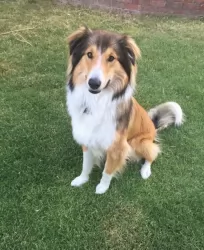 3.Adaptability - Scotch Collies are versatile and adaptable. There is no need to crate them as they are not destructive. If you have a large run or kennel, they can live anywhere. However they are happiest on farms and open lands.
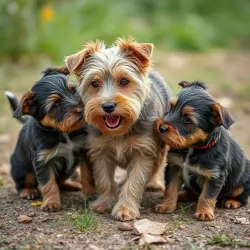 Like many medium to large-sized dogs, Gully Terriers can be prone to hip dysplasia, a condition where the hip joint doesn't develop properly, leading to arthritis and discomfort.
Due to their floppy or semi-erect ears, Gully Terriers can be more susceptible to ear infections. Regular ear cleaning and checking can help prevent this.
Their short coat can sometimes be prone to skin irritations, especially if they are exposed to harsh weather or poor hygiene. Allergies or parasite infestations (like fleas) can cause skin problems.
Gully Terriers are highly energetic, but they can be prone to obesity if they don't get enough exercise or are overfed. A balanced diet and regular activity are essential.
Some dogs in this breed may experience congenital eye issues like cataracts or progressive retinal atrophy (PRA), which can affect vision.
Regular vet check-ups to monitor joints, ears, and skin Consistent exercise to maintain a healthy weight Proper grooming to reduce risk of skin issues and ear infections
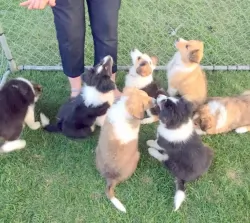 The old line breed was hearty with few health issues. The ones they did have included:
• Skin problems - can have skin diseases like mange that may or may not be acute, may have allergies or sensitivities.
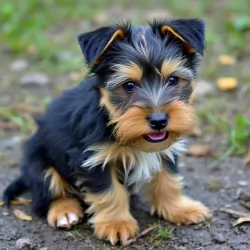 Caring for a Gully Terrier is straightforward but requires attention to their exercise, grooming, and training needs:
Gully Terriers are energetic and need daily exercise. Regular walks, runs, or play sessions will keep them happy and healthy.
They are smart and need activities that challenge their minds, like puzzle toys or training sessions.
Their short coat requires minimal care. Brush them once or twice a week and clean their ears regularly to prevent infections. Trim nails as needed.
Gully Terriers can be a bit independent, so start training early with positive reinforcement. Socialize them with people and other animals to avoid territorial behavior.
Feed them a balanced diet and control their portions to avoid weight gain. Regular vet check-ups will help keep them healthy.
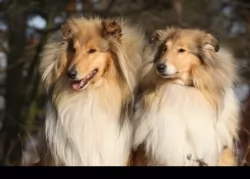 1Feeding the puppy - The Scotch Collie is not a medium dog nor is it a large dog. It is somewhere in-between. Because of this there is some discretion in not only how much you feed your puppy, but also what you feed. Normally we would feed according to breed size but here you need a high quality formula that is made for working breeds. The puppy will need enough calories to meet their high energy needs. Feed at least 3-4 times a day.
2.Feeding the adult - you need a high quality formula that is made for working breeds. The adult will need enough calories to meet their high energy needs. Feed at least 2 times a day.
There is a high need for exercise starting with walks or jog but that is not going to be enough. The Scotch Collie is not a Border Collie or a Corgi in terms of energy, but they are not couch potaoes. They need more than access to a yard. They need a job or they need defined exercise and play. The daily walk or jog will do it but intense play is better.