 MyDogBreeds
 Gully Terrier is originated from India but Seppala Siberian Sleddog is originated from Canada. Both Gully Terrier and Seppala Siberian Sleddog are having almost same height. Gully Terrier may weigh 12 kg / 27 pounds more than Seppala Siberian Sleddog. Both Gully Terrier and Seppala Siberian Sleddog has same life span. Both Gully Terrier and Seppala Siberian Sleddog has almost same litter size. Both Gully Terrier and Seppala Siberian Sleddog requires Moderate maintenance.
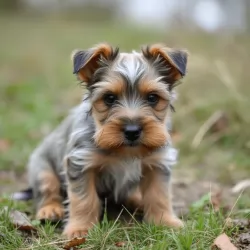 The Gully Terrier originated in India as a street dog, a mix of indigenous Indian Pariah Dogs and bully breeds like Pit Bulls and American Bulldogs.
Developed primarily for protection and hunting, they were used as guard dogs in urban and semi-urban areas. The name "Gully" refers to the narrow alleys and streets where these dogs were often found, while "Bully" highlights their muscular, strong build inherited from bully breeds.
Known for their loyalty, alertness, and protective instincts, Gully Terriers became valued companions for families in need of a strong, resilient dog that could thrive in tough environments.
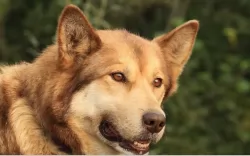 This is a rare working dog breed whose job it has been to pull sleds. The Seppala Siberian Sleddog hails from Canada and was regarded as the same dog breed as the Siberian Husky.There is the International Seppala Siberian Sleddog Club which works to preserve this amazing dog as a working breed.
It was during the 1990s that the breed was recognized as a new breed. In 2002 the Seppala Siberian Sleddog lines found their way to the USA .
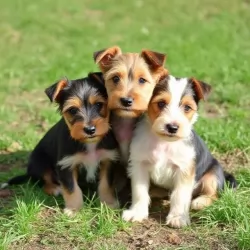 The Gully Terrier is a medium-sized, muscular dog known for its agility, loyalty, and protective nature. With a short, dense coat that comes in various colors, including black, brown, tan, and white, this breed has a distinctive appearance, often with a strong, powerful build.
The Gully Terrier is highly energetic and requires regular exercise to stay happy and healthy. Its intelligent, alert, and sometimes independent nature makes it a great guard dog and companion, although consistent training is necessary to manage its strong-willed personality.
This breed is well-suited for active families or individuals looking for a devoted and protective dog with a loving but protective demeanor.
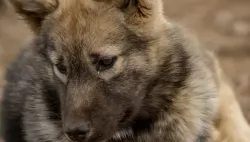 The Seppala Siberian Sleddog is a medium-sized dog that stands at between 56 to 58cm in height and weighs between 18 to 23kg.
It’s a beautiful wolf-like looking dog that used to be the same breed as the Siberian Husky, but it is now considered a separate breed.
The legs of this dog are longer, and they’re slightly more slender and lighter. The ears too, are taller and held very erect. The bushy tail is held high, curving over the back when alert.
The thick coat is medium length and there is also a thick undercoat. Coat colors vary and are wolf-like too - white, cream, grey, black and some reddish rusty colors. Eyes can be blue or brown or the dog can even have one brown eye and one blue.
Because this is an active working breed, he will need some robust exercise. Neglecting this side of him will result in a bored dog that howls a lot.
He is a high energy dog breed and won’t be content with a walk every day. When you go cycling or jogging, you can definitely count him in as he will like nothing more than to run beside you. If you are lucky to live near the beach, a tennis racquet to send the ball flying across the sand will please him no end.
He will need training and socialization of course, and you won’t have trouble training him as he is an intelligent dog. He isn’t the kind of dog that slots easily into life in the city, and will ideally suit a property with large grounds where he can run and play.
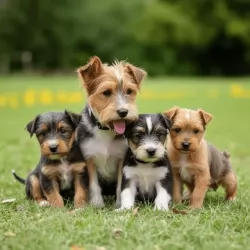 The Gully Terrier is a loyal, energetic, and intelligent breed with a strong, muscular build. Known for their protective nature, they make excellent guard dogs, staying alert and watchful of their surroundings.
While they are friendly and devoted to their family, they can also be independent and sometimes stubborn, requiring consistent training. Their short, dense coat is easy to groom, needing only regular brushing and ear cleaning.
Gully Terriers are active dogs that thrive on daily exercise and mental stimulation, making them great companions for those with an active lifestyle.
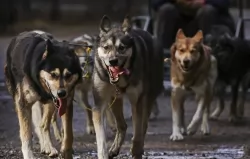 The Seppala Siberian Sleddog has always been a working dog so he will need lots of varied forms of exercise. He makes a splendid family pet as he isn’t an aggressive dog.
He does however make a good watchdog and will bark and warn you of strangers approaching.These beautiful wolf-like dogs are guaranteed to make you a loving, loyal pet, and they love nothing more than to be close to all his human family.
Treat him as a member of the family and you’ll be rewarded by having his fantastic friendship.
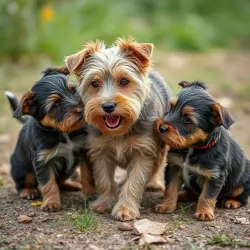 Like many medium to large-sized dogs, Gully Terriers can be prone to hip dysplasia, a condition where the hip joint doesn't develop properly, leading to arthritis and discomfort.
Due to their floppy or semi-erect ears, Gully Terriers can be more susceptible to ear infections. Regular ear cleaning and checking can help prevent this.
Their short coat can sometimes be prone to skin irritations, especially if they are exposed to harsh weather or poor hygiene. Allergies or parasite infestations (like fleas) can cause skin problems.
Gully Terriers are highly energetic, but they can be prone to obesity if they don't get enough exercise or are overfed. A balanced diet and regular activity are essential.
Some dogs in this breed may experience congenital eye issues like cataracts or progressive retinal atrophy (PRA), which can affect vision.
Regular vet check-ups to monitor joints, ears, and skin Consistent exercise to maintain a healthy weight Proper grooming to reduce risk of skin issues and ear infections
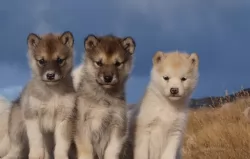 The Seppala Siberian Sleddog, just like most other dogs, can suffer from any one of the common dog ailments there are. These illnesses are cancer, hip dysplasia and eye disease.
You are more than likely not to see any of these illnesses with your pet, but it’s being a responsible dog owner to be aware of them and to get your pet to the vet if necessary.
Cataracts are an imperfection in the lens of the dog’s eye. The lens should be clear, but a cataract can start off small and then grow much larger, causing blindness in the dog. Cataracts happen when the cells are damaged, and diabetes can cause cataracts as can exposure to ultraviolet light. It is also an hereditary disease.
Most times dogs with cataracts can still see, but in the event of mature cataracts, your canine friend can undergo surgery to remove them.
This is another common dog disease. It can be painful for dogs, with either one or both hips being affected. Hip dysplasia can affect both young and old dogs. It can be sad seeing your active pet becoming reluctant to play. He may also have difficulty getting up from a lying down position.
There is treatment for hip dysplasia, and you will want to make sure your pet is as mobile and pain free as possible.
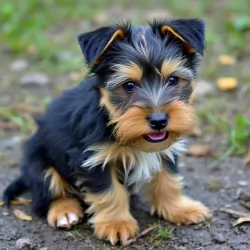 Caring for a Gully Terrier is straightforward but requires attention to their exercise, grooming, and training needs:
Gully Terriers are energetic and need daily exercise. Regular walks, runs, or play sessions will keep them happy and healthy.
They are smart and need activities that challenge their minds, like puzzle toys or training sessions.
Their short coat requires minimal care. Brush them once or twice a week and clean their ears regularly to prevent infections. Trim nails as needed.
Gully Terriers can be a bit independent, so start training early with positive reinforcement. Socialize them with people and other animals to avoid territorial behavior.
Feed them a balanced diet and control their portions to avoid weight gain. Regular vet check-ups will help keep them healthy.
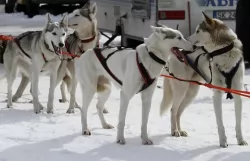 The thick coat of the Seppala Siberian Sleddog will need to be brushed at least twice a week. The coat sheds heavily a couple of times a year and brushing may even be necessary once a day during this heavier shedding period.
Just like human beings, you can enhance your dog’s health and longevity by giving him the best food there is. Commercially manufactured dog foods, when carefully selected, can be a good, choice and they’re convenient too.
It is advised to try and go for the high quality ones known for their natural, quality ingredients. Always read the labels because you'll be surprised to see how some of the inferior dog brands pack their foods with toxic ingredients.
To provide your Seppala with just a bit of variety in his diet, give him some home-made food. It can be added into the dry kibble about twice a week as a treat. Boil brown rice and chicken in a pot and add in sweet potatoes, carrots and spinach. Chop all this up and give it to your dog in small portions.
To avoid skin infections, try to include some raw meat into his diet occasionally. Never leave your pet without a constant source of fresh, cool water