 MyDogBreeds
 Gully Terrier is originated from India but Shih Tzu is originated from China. Gully Terrier may grow 28 cm / 12 inches higher than Shih Tzu. Gully Terrier may weigh 28 kg / 62 pounds more than Shih Tzu. Gully Terrier may live 3 years less than Shih Tzu. Both Gully Terrier and Shih Tzu has same litter size. Gully Terrier requires Moderate maintenance. But Shih Tzu requires High maintenance
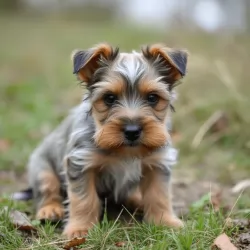 The Gully Terrier originated in India as a street dog, a mix of indigenous Indian Pariah Dogs and bully breeds like Pit Bulls and American Bulldogs.
Developed primarily for protection and hunting, they were used as guard dogs in urban and semi-urban areas. The name "Gully" refers to the narrow alleys and streets where these dogs were often found, while "Bully" highlights their muscular, strong build inherited from bully breeds.
Known for their loyalty, alertness, and protective instincts, Gully Terriers became valued companions for families in need of a strong, resilient dog that could thrive in tough environments.
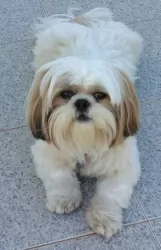 The Shih Tzu is an Imperial Chinese breed developed by palace breeders hundreds of years ago with breed stock from the Tibetan lines. It is quite probable that the Shih Tzu was originally a cross between two Sino-Tibetan ancient dogs – the Pekingese and the Lhasa Apso. Based on their looks, the Shih Tzu means the lion dog, but they were really very pampered palace dogs living with the Chinese emperors and families. The emperors were always gifting the breeders who developed the most affectionate, gentle and beautiful Shih Tzus.
Until the 1930’s the Shih Tzu was not known to the world outside the emperor’s palace. Once the breed did come out from behind the palace walls, they were immediately popular. Much debate went on about how to refine the breed as clubs began to spring up in Peking and then in England. It was not until 1969 the Shih Tzu was recognized and entered in the AKC Stud Book.
While the original Shih Tzu might have been a mix between the Pekingese and the Lhasa Apso, today’s breed spread around the world after the second world war. In Europe in the 1930’s the breed was classified as Apsos. In 1935 the first Shih Tzu Club of Europe was formed, and the first standard was written, and the breed was categorized as the Shih Tzu.
Following World War II, soldiers brought the dogs to the States from Europe. By the 1950’s the breed was growing in popularity and the AKC recognized the breed in 1969 as members of the Toy Group. They are now recognized by all major kennel clubs throughout the western world. They are recognized by the Federation Cynoloqique Internationale in the Companion and Toy Group, among Tibetan breeds.
The Shih Tzu is a good watchdog, but it was bred to be a companion animal. It is a friendly, open breed that welcomes strangers. They are great with other animals and children as well as adults.
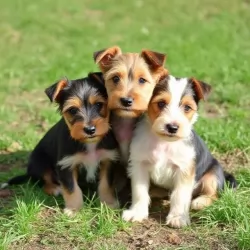 The Gully Terrier is a medium-sized, muscular dog known for its agility, loyalty, and protective nature. With a short, dense coat that comes in various colors, including black, brown, tan, and white, this breed has a distinctive appearance, often with a strong, powerful build.
The Gully Terrier is highly energetic and requires regular exercise to stay happy and healthy. Its intelligent, alert, and sometimes independent nature makes it a great guard dog and companion, although consistent training is necessary to manage its strong-willed personality.
This breed is well-suited for active families or individuals looking for a devoted and protective dog with a loving but protective demeanor.
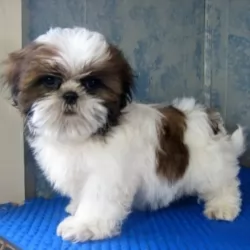 This is a breed of lively, sturdy and alert little dogs with a beautiful double coat that is flowing and long. In its full glory the Shih Tzu coat is touching the floor all the way around the dog. The dog’s bearing is as royal as its history, arrogantly carrying his head high and his tail curving over his back.
The Shih Tzu is a solid, compact breed with weight and substance. They may be a small dog, but they are a strong one. They have large dark eyes with a short muzzle and fur covered drop ears. They are just a little longer than they are tall with a distinct underbite.
There are a few differences between the European or UK Kennel Club standard and the American Kennel Club AKC standard. As opposed to the UK standard the AKC standard states that:
• The hindquarters are muscular while the front are straight. They are balanced in that they are not too long or too short.
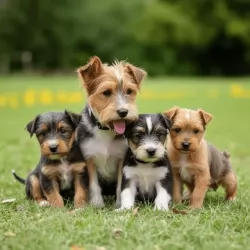 The Gully Terrier is a loyal, energetic, and intelligent breed with a strong, muscular build. Known for their protective nature, they make excellent guard dogs, staying alert and watchful of their surroundings.
While they are friendly and devoted to their family, they can also be independent and sometimes stubborn, requiring consistent training. Their short, dense coat is easy to groom, needing only regular brushing and ear cleaning.
Gully Terriers are active dogs that thrive on daily exercise and mental stimulation, making them great companions for those with an active lifestyle.
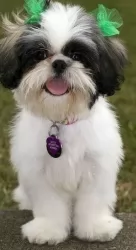 2.Special talents – they were bred to be companion animals. They are friendly and loyal.
3.Adaptability Yes very much so. They can live in an apartment or on a farm. It doesn’t matter and they don’t need a yard.
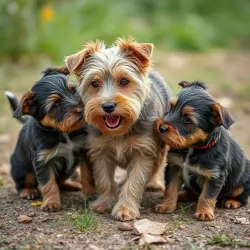 Like many medium to large-sized dogs, Gully Terriers can be prone to hip dysplasia, a condition where the hip joint doesn't develop properly, leading to arthritis and discomfort.
Due to their floppy or semi-erect ears, Gully Terriers can be more susceptible to ear infections. Regular ear cleaning and checking can help prevent this.
Their short coat can sometimes be prone to skin irritations, especially if they are exposed to harsh weather or poor hygiene. Allergies or parasite infestations (like fleas) can cause skin problems.
Gully Terriers are highly energetic, but they can be prone to obesity if they don't get enough exercise or are overfed. A balanced diet and regular activity are essential.
Some dogs in this breed may experience congenital eye issues like cataracts or progressive retinal atrophy (PRA), which can affect vision.
Regular vet check-ups to monitor joints, ears, and skin Consistent exercise to maintain a healthy weight Proper grooming to reduce risk of skin issues and ear infections
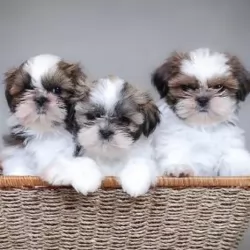 For many breeds that have the advantage of isolation like the Shih Tzu did with the emperors of China usually have very little genetic health issues. Most of the breed is indeed healthy but there are some issues.
• Brachycephalic airway obstructive syndrome due to the shape of their face and head causes them to have breathing issues. They cannot handle heat and they cannot swim. They can have an upper airway obstruction that makes it hard for them to breath. If this is bad enough, surgery may be required.
• Hypothyroidism – thyroid does not produce the hormones necessary for metabolism to work effectively. This can lead to weight gain, hair loss, lethargy and muscle loss. It can be treated effectively.
• Issues of the eyes include – cataracts, corneal dryness and inflammation, progressive retinal atrophy, improperly closing eyelids and retinal detachment.
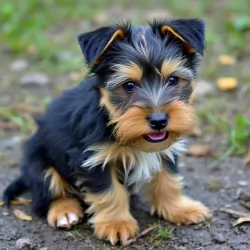 Caring for a Gully Terrier is straightforward but requires attention to their exercise, grooming, and training needs:
Gully Terriers are energetic and need daily exercise. Regular walks, runs, or play sessions will keep them happy and healthy.
They are smart and need activities that challenge their minds, like puzzle toys or training sessions.
Their short coat requires minimal care. Brush them once or twice a week and clean their ears regularly to prevent infections. Trim nails as needed.
Gully Terriers can be a bit independent, so start training early with positive reinforcement. Socialize them with people and other animals to avoid territorial behavior.
Feed them a balanced diet and control their portions to avoid weight gain. Regular vet check-ups will help keep them healthy.
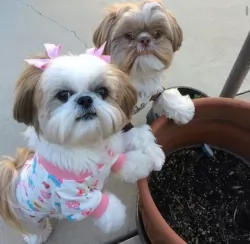 1.Feeding the puppy – this is a toy dog so don’t overfeed. They have a tendency to become obese. Calorie and weight level need to be calculated with any diet you feed. The diet should be high quality with plenty of protein made for toy dogs. Feed the puppy at least 3 times a day, maybe four in very small amounts, never more than ½ cup per day.
2.Feeding the adult - this is a toy dog so don’t overfeed. They have a tendency to become obese. Calorie and weight level need to be calculated with any diet you feed. The diet should be high quality with plenty of protein made for toy dogs. Feed the adult once or twice a day in larger amounts than the puppy but never more than ¾ of a cup per day.
3.Points for Good Health - most Shih Tzu’s are hardy with exceptionally good health.
This is a pampered, not high energy dog. However, she still needs playtime, which can be indoors and short walks outdoors every day.