 MyDogBreeds
Gully Terrier is originated from India but Southern Hound is originated from United Kingdom. Gully Terrier may grow 15 cm / 5 inches shorter than Southern Hound. Gully Terrier may weigh 6 kg / 13 pounds lesser than Southern Hound. Both Gully Terrier and Southern Hound has almost same life span. Both Gully Terrier and Southern Hound has almost same litter size. Gully Terrier requires Moderate maintenance. But Southern Hound requires Low maintenance
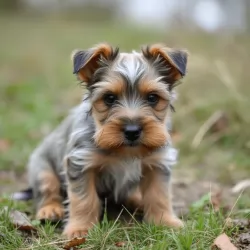 The Gully Terrier originated in India as a street dog, a mix of indigenous Indian Pariah Dogs and bully breeds like Pit Bulls and American Bulldogs.
Developed primarily for protection and hunting, they were used as guard dogs in urban and semi-urban areas. The name "Gully" refers to the narrow alleys and streets where these dogs were often found, while "Bully" highlights their muscular, strong build inherited from bully breeds.
Known for their loyalty, alertness, and protective instincts, Gully Terriers became valued companions for families in need of a strong, resilient dog that could thrive in tough environments.
The Southern Hound hails from England and is a breed of dog that existed sometime in the 19th century.
There isn’t much information available as to the time the dog became extinct. Some people believe that other breeds were bred with the dog until the true Southern Hound bloodline no longer existed. It was a breed of scent hound, and had an excellent sense of smell.
Known also as the Old English Hound, it was during the 18th century that the Southern Hound’s popularity waned and other kinds of hounds became more prominent.
While the Southern Hound has been extinct for decades, there is still some of this dog breed found in modern day breed.
It s believed that the Southern Hound has been used in the development of the Beagle and the Bloodhound as you can see the similarities.
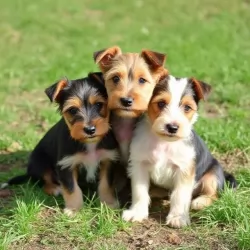 The Gully Terrier is a medium-sized, muscular dog known for its agility, loyalty, and protective nature. With a short, dense coat that comes in various colors, including black, brown, tan, and white, this breed has a distinctive appearance, often with a strong, powerful build.
The Gully Terrier is highly energetic and requires regular exercise to stay happy and healthy. Its intelligent, alert, and sometimes independent nature makes it a great guard dog and companion, although consistent training is necessary to manage its strong-willed personality.
This breed is well-suited for active families or individuals looking for a devoted and protective dog with a loving but protective demeanor.
The Southern Hound was a large, solidly built, deep chested dog with a square head and a longish muzzle. He stood at between 58-71 cm in height and weighed 25 – 41kg.
The Southern Hound had long, wide floppy ears, much like the Basset Hound of today. The tail was fairly long and curved upright. It was known for its deep melodious voice, much like the Bloodhound we have today.
It had excellent scenting abilities and was used to follow the trail of its prey. The coat of the Southern Hound was short and smooth and it is believed that the most common colors for the coat were white with black or brown markings, making it a tricolor dog.
Used to being on the hunt with other dogs, there is no doubt that the Southern Hound wasn’t aggressive towards other dogs and that he knew how to get along with them. It’s a dog that was dedicated to to the hunt and was bred to work, known for its stamina and endurance.
The dog didn’t possess strong herding or protective instincts and it is thought that it wasn’t kept as a companion dog. Because of the breeds used to develop this dog, it is assumed that it was a non-aggressive, friendly dog.
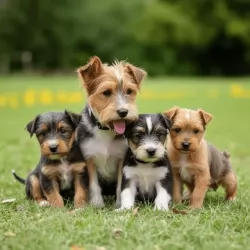 The Gully Terrier is a loyal, energetic, and intelligent breed with a strong, muscular build. Known for their protective nature, they make excellent guard dogs, staying alert and watchful of their surroundings.
While they are friendly and devoted to their family, they can also be independent and sometimes stubborn, requiring consistent training. Their short, dense coat is easy to groom, needing only regular brushing and ear cleaning.
Gully Terriers are active dogs that thrive on daily exercise and mental stimulation, making them great companions for those with an active lifestyle.
The Southern Hound is no longer in existence, which is a pity as it seems as though he may have made an excellent pet in modern times.
They were a playful breed, loyal, gentle and affectionate and no doubt made a good watchdog too, although it is thought that his protective instincts weren’t good.
They aren’t dogs recommended for city living, but it seems according to the few records there are of this dog that he could have made a reliable, loving pet to have around.
 Like many medium to large-sized dogs, Gully Terriers can be prone to hip dysplasia, a condition where the hip joint doesn't develop properly, leading to arthritis and discomfort.
Due to their floppy or semi-erect ears, Gully Terriers can be more susceptible to ear infections. Regular ear cleaning and checking can help prevent this.
Their short coat can sometimes be prone to skin irritations, especially if they are exposed to harsh weather or poor hygiene. Allergies or parasite infestations (like fleas) can cause skin problems.
Gully Terriers are highly energetic, but they can be prone to obesity if they don't get enough exercise or are overfed. A balanced diet and regular activity are essential.
Some dogs in this breed may experience congenital eye issues like cataracts or progressive retinal atrophy (PRA), which can affect vision.
Regular vet check-ups to monitor joints, ears, and skin Consistent exercise to maintain a healthy weight Proper grooming to reduce risk of skin issues and ear infections
The Southern Hound had drop ears which would have made him prone to ear infections. This is because unlike dogs with erect ears, air isn’t able to circulate into the ear and the inside of the ear become a breeding place for bacteria.
The dog may have had to deal with Cherry Eye too. This eye problem affects the tear gland in the third eyelid. It needs to be treated so as to avoid long term eye problems. This is also because exposure of the tissue can bring on swelling, inflammation and infection.
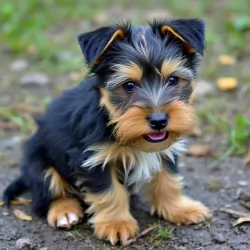 Caring for a Gully Terrier is straightforward but requires attention to their exercise, grooming, and training needs:
Gully Terriers are energetic and need daily exercise. Regular walks, runs, or play sessions will keep them happy and healthy.
They are smart and need activities that challenge their minds, like puzzle toys or training sessions.
Their short coat requires minimal care. Brush them once or twice a week and clean their ears regularly to prevent infections. Trim nails as needed.
Gully Terriers can be a bit independent, so start training early with positive reinforcement. Socialize them with people and other animals to avoid territorial behavior.
Feed them a balanced diet and control their portions to avoid weight gain. Regular vet check-ups will help keep them healthy.
Because this dog was once used as a hunting dog, they were accustomed to large open spaces. He would have required a fair amount of exercise. They would have needed a walk every day if he wasn't involved in a hunt that day.
The Southern Hound had a short coat and in those days he probably would have needed to be brushed once or twice a week.
The Southern Hound would have required top quality food to support his energy. If in that time there has been commercially manufactured food, it would have had to be the better quality ones. Today if you were feeding the Southern Hound you would check out the ingredients on the packaging and go for the dog foods with wholesome, natural ingredients in them.
No doubt the owners of these dogs provided their dogs with raw and cooked meat. If you had a Southern Hound today you would try to include some home-made food for him which would be simply mixed into the dry kibble twice a week. Boiled chicken, brown rice or pasta and spinach, sweet potatoes and carrots is super nutritious.
The Southern Hound would have required a constant supply of fresh, cool water within his reach.