 MyDogBreeds
 Gully Terrier is originated from India but Stabyhoun is originated from Denmark. Both Gully Terrier and Stabyhoun are having almost same height. Gully Terrier may weigh 15 kg / 33 pounds lesser than Stabyhoun. Both Gully Terrier and Stabyhoun has same life span. Both Gully Terrier and Stabyhoun has almost same litter size. Gully Terrier requires Moderate maintenance. But Stabyhoun requires Low maintenance
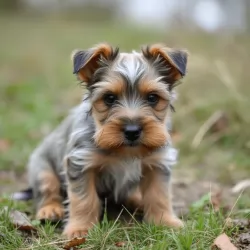 The Gully Terrier originated in India as a street dog, a mix of indigenous Indian Pariah Dogs and bully breeds like Pit Bulls and American Bulldogs.
Developed primarily for protection and hunting, they were used as guard dogs in urban and semi-urban areas. The name "Gully" refers to the narrow alleys and streets where these dogs were often found, while "Bully" highlights their muscular, strong build inherited from bully breeds.
Known for their loyalty, alertness, and protective instincts, Gully Terriers became valued companions for families in need of a strong, resilient dog that could thrive in tough environments.
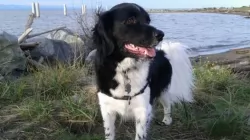 The Stabyhoun is a near extinct breed and one of the rarest ever. He was never recognized by the major kennel clubs but was entered into Foundation Stock Services.. The breed comes from the Netherlands in the Frisian Forest and has been known since the early nineteenth century.
It was not known outside of the Friesland Forest area until the 1960’s and outside the Netherlands only since the twenty first century. The Stabyhoun is a Dutch national treasure whose name means “stand by me dog”. Today throughout the world only a few thousand remain.
The Stabyhoun is hunter and retriever with a soft-mouth and ability to point. He was used for duck hunting and finding upland birds. He is great in the water, sharp-eyes and efficient, he works quickly. The breed has also been known to hunt fox, other birds and small game. They are great at catching moles.
Even though British breeds are more popular for hunting now, the Stabij remains an excellent all round hunter. He can track, point, and retrieve. He is also a good watchdog though his disposition is peaceful and gentle. They needed to be general all around farm dogs as farmers could only afford one dog.
They have not changed much since the 1800’s either in function or appearance. In order to get such a gentle working dog, they early Stabyhoun has been mixed with the much older and rarer breed from the same area, the Wetterhoun. This crossbreeding was stopped in 1942 in order to gain breed recognition and hope to keep either of these two rare breeds from extinction.
Today the number of Stabyhoun in the Netherlands, the United Kingdom, North America and Scandinavia are slowly but surely increasing. He is highly prized as an independent thinker and hunter, inquisitive and gentle. They are related to the Heidewachtel and the Drentsche Patrijshound.
The first Staby born in the U.S. was around 1994 and in 2017 there were thought to be over 7000 Stabyhouns in the world. They are much more popular now in Europe and North America.
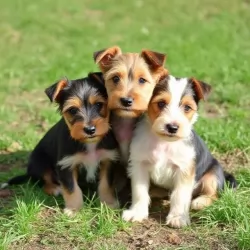 The Gully Terrier is a medium-sized, muscular dog known for its agility, loyalty, and protective nature. With a short, dense coat that comes in various colors, including black, brown, tan, and white, this breed has a distinctive appearance, often with a strong, powerful build.
The Gully Terrier is highly energetic and requires regular exercise to stay happy and healthy. Its intelligent, alert, and sometimes independent nature makes it a great guard dog and companion, although consistent training is necessary to manage its strong-willed personality.
This breed is well-suited for active families or individuals looking for a devoted and protective dog with a loving but protective demeanor.
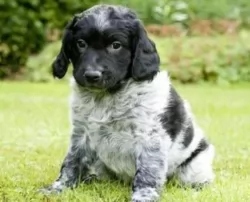 The Staby are powerful soft-mouthed pointers who are not too fine or too robust with tightly fitting skin. Their chest, legs, collar and tail are feathered and make the dog look like a longhaired canine, but she really is not. The dog is longer than it is tall, and his head is longer than it is wide. Most of the breed are black and white but there are many brown and white, while the orange and white are very close to extinction.
They have a slightly domed skull and a slightly arched but strong neck. Their muzzle is broad and the bridge straight while the nose is well developed. With medium sized ears, set low on the head and having the bottom third of the ears covered with hair. The eyes are round, medium sized and level in the head
They have a long sleek coat with a slightly wavy croup. They are never curly. Its back is straight, tail long and loin powerful.
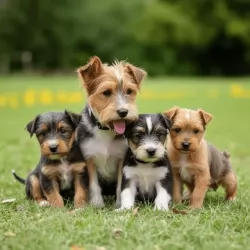 The Gully Terrier is a loyal, energetic, and intelligent breed with a strong, muscular build. Known for their protective nature, they make excellent guard dogs, staying alert and watchful of their surroundings.
While they are friendly and devoted to their family, they can also be independent and sometimes stubborn, requiring consistent training. Their short, dense coat is easy to groom, needing only regular brushing and ear cleaning.
Gully Terriers are active dogs that thrive on daily exercise and mental stimulation, making them great companions for those with an active lifestyle.
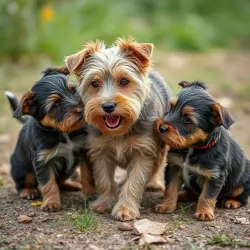 Like many medium to large-sized dogs, Gully Terriers can be prone to hip dysplasia, a condition where the hip joint doesn't develop properly, leading to arthritis and discomfort.
Due to their floppy or semi-erect ears, Gully Terriers can be more susceptible to ear infections. Regular ear cleaning and checking can help prevent this.
Their short coat can sometimes be prone to skin irritations, especially if they are exposed to harsh weather or poor hygiene. Allergies or parasite infestations (like fleas) can cause skin problems.
Gully Terriers are highly energetic, but they can be prone to obesity if they don't get enough exercise or are overfed. A balanced diet and regular activity are essential.
Some dogs in this breed may experience congenital eye issues like cataracts or progressive retinal atrophy (PRA), which can affect vision.
Regular vet check-ups to monitor joints, ears, and skin Consistent exercise to maintain a healthy weight Proper grooming to reduce risk of skin issues and ear infections
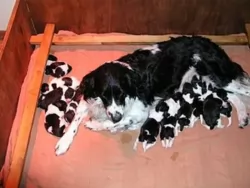 Though an isolated, rare breed for so long, the Stabyhoun does have several known health issues including:
• PDA or Patient Ductus Arteriosis – heart issue from 6 weeks on. Major vessel does not close. With surgery it can be corrected.
• Type 1 von Willebrand’s Disease (vWB) – a bleeding disorder in its mildest form. DNA testing is available not required.
• Cerebral dysfunction – rare compulsive behavior at 6 weeks. It is fatal at this point. DNA testing will be required.
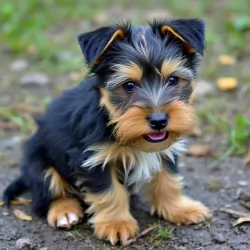 Caring for a Gully Terrier is straightforward but requires attention to their exercise, grooming, and training needs:
Gully Terriers are energetic and need daily exercise. Regular walks, runs, or play sessions will keep them happy and healthy.
They are smart and need activities that challenge their minds, like puzzle toys or training sessions.
Their short coat requires minimal care. Brush them once or twice a week and clean their ears regularly to prevent infections. Trim nails as needed.
Gully Terriers can be a bit independent, so start training early with positive reinforcement. Socialize them with people and other animals to avoid territorial behavior.
Feed them a balanced diet and control their portions to avoid weight gain. Regular vet check-ups will help keep them healthy.
 1Feeding the puppy -They are prone to obesity. Do not overfeed. Watch calories. Feed a high quality dog food meant for active medium sized dogs in 3-4 meals per day.
2.Feeding the adult – Feed a high quality dog for medium sized dogs in 2-3 meals per day.
An active dog that needs exercise. They need mental stimulation as much or more than they need physical. Don’t skimp on either. They love agility, field trials, lure coursing, and scent training. They also love the triathlon, frisbee and endurance.