 MyDogBreeds
 Gully Terrier is originated from India but Swedish Lapphund is originated from Sweden. Both Gully Terrier and Swedish Lapphund are having almost same height. Gully Terrier may weigh 14 kg / 31 pounds more than Swedish Lapphund. Both Gully Terrier and Swedish Lapphund has almost same life span. Both Gully Terrier and Swedish Lapphund has same litter size. Both Gully Terrier and Swedish Lapphund requires Moderate maintenance.
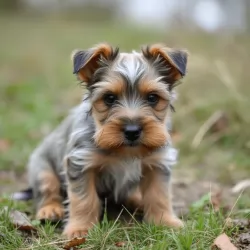 The Gully Terrier originated in India as a street dog, a mix of indigenous Indian Pariah Dogs and bully breeds like Pit Bulls and American Bulldogs.
Developed primarily for protection and hunting, they were used as guard dogs in urban and semi-urban areas. The name "Gully" refers to the narrow alleys and streets where these dogs were often found, while "Bully" highlights their muscular, strong build inherited from bully breeds.
Known for their loyalty, alertness, and protective instincts, Gully Terriers became valued companions for families in need of a strong, resilient dog that could thrive in tough environments.
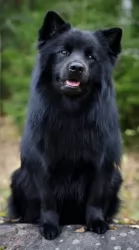 This is a Spitz type of dog from Sweden. It is Sweden’s national dog.The dog has always been used for herding and guarding livestock such as reindeer for the Sami people.
The dog is much the same as the Finnish Lapphund, and some even believe that it might be one and the same. The American Kennel Club recognizes them as two separate breeds.
It is one of the oldest Swedish dog breeds and also one of 3 Lapphund breeds.The Swedish Kennel Club recognized the Lapphund as a distinct breed in 1903.
The Federation Cynologique Internationale recognized this dog in 1944, and the United Kennel Club in 2006.
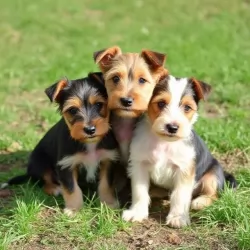 The Gully Terrier is a medium-sized, muscular dog known for its agility, loyalty, and protective nature. With a short, dense coat that comes in various colors, including black, brown, tan, and white, this breed has a distinctive appearance, often with a strong, powerful build.
The Gully Terrier is highly energetic and requires regular exercise to stay happy and healthy. Its intelligent, alert, and sometimes independent nature makes it a great guard dog and companion, although consistent training is necessary to manage its strong-willed personality.
This breed is well-suited for active families or individuals looking for a devoted and protective dog with a loving but protective demeanor.
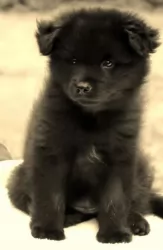 The Swedish Lapphund is a medium to large sized dog standing at between 40 to 51cm in height and weighing between 19 and 21kg.
The head is wedge shaped and the ears erect. He has a thick double coat with fairly straight, silky hair that stands out from the body. Colors can be brown or black and sometimes there can be white markings. He sheds quite a bit, with some heavier seasonal shedding.
When you get one of these Spitz type dogs as your pet, you can be sure that you’re going to have an excellent pet and companion.
They’re independent dogs with strong wills and like to do their own thing. Training and socialization can change that and make him easy, well mannered and obedient.
They’re lively dogs and intelligent too. He is versatile, loving to be outdoors and being energetic with the children but being able to enjoy some quiet time indoors too. He is simply an excellent family pet and watchdog.
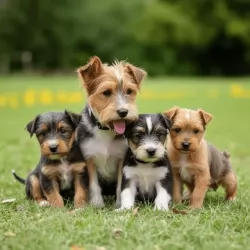 The Gully Terrier is a loyal, energetic, and intelligent breed with a strong, muscular build. Known for their protective nature, they make excellent guard dogs, staying alert and watchful of their surroundings.
While they are friendly and devoted to their family, they can also be independent and sometimes stubborn, requiring consistent training. Their short, dense coat is easy to groom, needing only regular brushing and ear cleaning.
Gully Terriers are active dogs that thrive on daily exercise and mental stimulation, making them great companions for those with an active lifestyle.
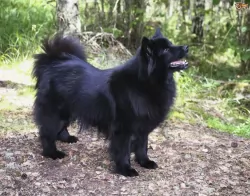 The Swedish Lapphund has always been a hardworking dog, herding reindeer for the Sami people.
Today the Lapphund is a people-loving dog and wants to be constantly with his human family. He is intelligent, strong, independent, loyal, bold and loving. If you’re looking for an excellent family companion, this is it.
Do him a favor and don’t leave him outside without human companionship as he will become run-down and possibly destructive through no fault of his own. Bring him into your family and make him part of it and then he’s happy.
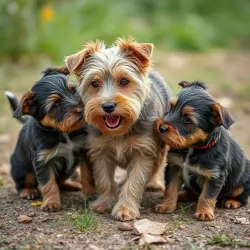 Like many medium to large-sized dogs, Gully Terriers can be prone to hip dysplasia, a condition where the hip joint doesn't develop properly, leading to arthritis and discomfort.
Due to their floppy or semi-erect ears, Gully Terriers can be more susceptible to ear infections. Regular ear cleaning and checking can help prevent this.
Their short coat can sometimes be prone to skin irritations, especially if they are exposed to harsh weather or poor hygiene. Allergies or parasite infestations (like fleas) can cause skin problems.
Gully Terriers are highly energetic, but they can be prone to obesity if they don't get enough exercise or are overfed. A balanced diet and regular activity are essential.
Some dogs in this breed may experience congenital eye issues like cataracts or progressive retinal atrophy (PRA), which can affect vision.
Regular vet check-ups to monitor joints, ears, and skin Consistent exercise to maintain a healthy weight Proper grooming to reduce risk of skin issues and ear infections
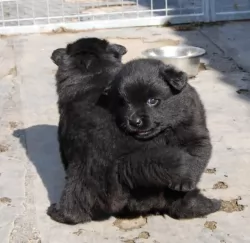 The Swedish Lapphud is a healthy dog breed, but even so he can get one of the many common dog illnesses there are.If you choose a puppy, make sure to get your pet from a reputable breeder to avoid more serious dog illnesses.
Diabetes Mellitus is a disease you might have to watch out for with this dog breed.
This is a disease of the pancreas. This organ has two groups of cells – one produces enzymes for proper digestion and the other produces the hormone insulin which regulates the level of glucose in the bloodstream.
Diabetes is when the pancreas fails to regulate blood sugar. Your dog will have increased thirst and urination, weight loss, and increased appetite.
Type I diabetes mellitus results from destruction of the insulin-producing beta cells, which is the most common type of diabetes in dogs. Dogs with this type of diabetes require insulin injections to stabilize blood sugar. Type II diabetes is more likely in older, obese dogs.
Dogs with diabetes mellitus will require insulin each day. If canine diabetes mellitus is properly regulated, prognosis for the dog is good.
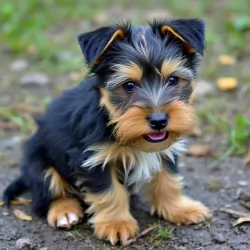 Caring for a Gully Terrier is straightforward but requires attention to their exercise, grooming, and training needs:
Gully Terriers are energetic and need daily exercise. Regular walks, runs, or play sessions will keep them happy and healthy.
They are smart and need activities that challenge their minds, like puzzle toys or training sessions.
Their short coat requires minimal care. Brush them once or twice a week and clean their ears regularly to prevent infections. Trim nails as needed.
Gully Terriers can be a bit independent, so start training early with positive reinforcement. Socialize them with people and other animals to avoid territorial behavior.
Feed them a balanced diet and control their portions to avoid weight gain. Regular vet check-ups will help keep them healthy.
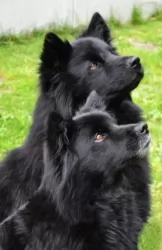 ●The Swedish Lapphund is an active dog and will require a high quality dog food. If you buy commercially manufactured dog food it should be appropriate to your dog’s age and activity levels.
Home-made food like boiled chicken, brown rice, spinach and sweet potatoes will do your pet the world of good, and chopped up, it can be added a couple of times a week to the dog’s dry kibble.
Try and feed some raw met occasionally as well. Clean, fresh water should be available at all times.
●The Lapphund is an active dog and he is going to reguire daily exercise that will keep him mentally and physically fit. Having a dog like this requires you being active yourself, and your Lapphund is going to love going on long walks or hikes. He will never get enough games with the children – he just loves the rough and tumble.
● Have his vaccines attended to. There are training classes as well as boarding kennels that won’t accept your dog unless his vaccines are up to date.
● Have your dog spayed or neutered if you don’t want your dogs to have puppies.
● Brush his coat twice a week. Check inside his ears and inside his mouth for redness and infection.