 MyDogBreeds
 Gully Terrier is originated from India but Valley Bulldog is originated from Canada. Gully Terrier may grow 11 cm / 5 inches higher than Valley Bulldog. Both Gully Terrier and Valley Bulldog are having almost same weight. Gully Terrier may live 3 years more than Valley Bulldog. Both Gully Terrier and Valley Bulldog has same litter size. Gully Terrier requires Moderate maintenance. But Valley Bulldog requires Low maintenance
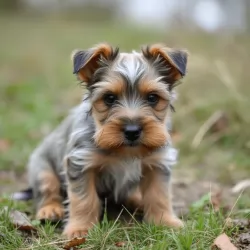 The Gully Terrier originated in India as a street dog, a mix of indigenous Indian Pariah Dogs and bully breeds like Pit Bulls and American Bulldogs.
Developed primarily for protection and hunting, they were used as guard dogs in urban and semi-urban areas. The name "Gully" refers to the narrow alleys and streets where these dogs were often found, while "Bully" highlights their muscular, strong build inherited from bully breeds.
Known for their loyalty, alertness, and protective instincts, Gully Terriers became valued companions for families in need of a strong, resilient dog that could thrive in tough environments.
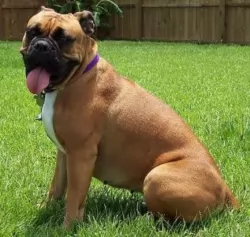 The Valley Bulldog originates from Nova Scotia, Canada. It is thought that the Boxer, English Bulldog and the Olde English Bulldogge have been used to bring about the Valley Bulldog.
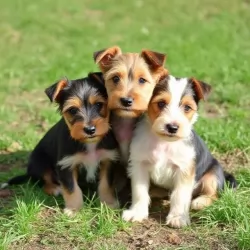 The Gully Terrier is a medium-sized, muscular dog known for its agility, loyalty, and protective nature. With a short, dense coat that comes in various colors, including black, brown, tan, and white, this breed has a distinctive appearance, often with a strong, powerful build.
The Gully Terrier is highly energetic and requires regular exercise to stay happy and healthy. Its intelligent, alert, and sometimes independent nature makes it a great guard dog and companion, although consistent training is necessary to manage its strong-willed personality.
This breed is well-suited for active families or individuals looking for a devoted and protective dog with a loving but protective demeanor.
 The Valley Bulldog stands at between 36 and 46cm in height and he weighs in the region of 18 – 36kg. He is actually a taller version of an English Bulldog.
He is muscular and sturdy and has the true broad head of which the Bulldog is so familiar. He has small to medium floppy ears and a stump of a tail. He also has the flat muzzle.
The dog’s coat is short and smooth, making him fairly low maintenance, although he is a moderate shedder. It comes in typical Bulldog shades – tan, white, red, black and brindle.
The Valley Bulldog has an excellent nature, being completely non-aggressive, and when he has been trained and socialized you get a superb pet.
He’s intelligent so you won’t have any trouble learning any basic commands. He is able to get along with other pets in the home. He can be quite entertaining too as he becomes clownish, loving to be around his human family. He is also capable of being calm and gentle.
He makes a splendid playmate for children, loving the games as he is quite an energetic dog. He isn’t suited to life in a tiny home in the city because he loves to just run sometimes, and then he can be like a bull in a china shop.
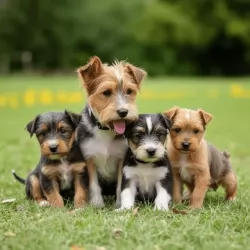 The Gully Terrier is a loyal, energetic, and intelligent breed with a strong, muscular build. Known for their protective nature, they make excellent guard dogs, staying alert and watchful of their surroundings.
While they are friendly and devoted to their family, they can also be independent and sometimes stubborn, requiring consistent training. Their short, dense coat is easy to groom, needing only regular brushing and ear cleaning.
Gully Terriers are active dogs that thrive on daily exercise and mental stimulation, making them great companions for those with an active lifestyle.
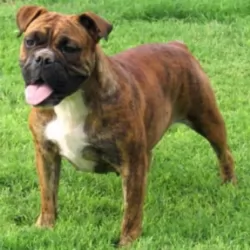 The Valley Bulldog is guaranteed to make you a splendid pet because he has such a sweet temperament.
He is such a social, playful dog too. Because of his intelligence, you won't have any trouble teaching him some basic commands. You’ll be amused and entertained by this wonderful dog in your life as his warm personality will ensure you have a true friend in him.
 Like many medium to large-sized dogs, Gully Terriers can be prone to hip dysplasia, a condition where the hip joint doesn't develop properly, leading to arthritis and discomfort.
Due to their floppy or semi-erect ears, Gully Terriers can be more susceptible to ear infections. Regular ear cleaning and checking can help prevent this.
Their short coat can sometimes be prone to skin irritations, especially if they are exposed to harsh weather or poor hygiene. Allergies or parasite infestations (like fleas) can cause skin problems.
Gully Terriers are highly energetic, but they can be prone to obesity if they don't get enough exercise or are overfed. A balanced diet and regular activity are essential.
Some dogs in this breed may experience congenital eye issues like cataracts or progressive retinal atrophy (PRA), which can affect vision.
Regular vet check-ups to monitor joints, ears, and skin Consistent exercise to maintain a healthy weight Proper grooming to reduce risk of skin issues and ear infections
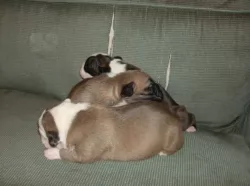 It can be sad watching a dog becoming less mobile as joint problems set in. The vet can recommend a diet which can help to manage joint disease. Also, the pain associated with joint problems can be debilitating for your pet and you will want to get your pet to the vet so the pain can be managed.
These dogs have quite a few folds around the face and these areas need to be kept clean and dry. An overweight Valley Bulldog should be avoided at all costs as this can put additional weight on the joints.
This is a Brachycephalic breed so they tend to battle with breathing, particularly when they are stressed, agitated or hot. Sometimes these dogs will even gag so as to clear their airway.
Watch for coughing and choking. Such difficulties can be life-threatening for your Valley Bulldog so it is important to recognize respiratory problems with your dog.
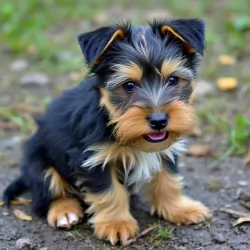 Caring for a Gully Terrier is straightforward but requires attention to their exercise, grooming, and training needs:
Gully Terriers are energetic and need daily exercise. Regular walks, runs, or play sessions will keep them happy and healthy.
They are smart and need activities that challenge their minds, like puzzle toys or training sessions.
Their short coat requires minimal care. Brush them once or twice a week and clean their ears regularly to prevent infections. Trim nails as needed.
Gully Terriers can be a bit independent, so start training early with positive reinforcement. Socialize them with people and other animals to avoid territorial behavior.
Feed them a balanced diet and control their portions to avoid weight gain. Regular vet check-ups will help keep them healthy.
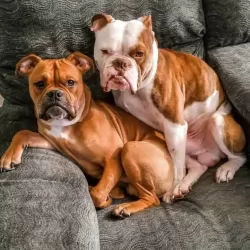 You need to be careful with a bulldog as they have sensitive stomachs and are prone towards indigestion and flatulence. They will certainly need to avoid some foods and you also want to avoid obesity at all costs. The wrong foods can also cause allergic reactions as well as dermatitis which can be very painful and frustrating.
If you have a Valley Bulldog, for your own peace of mind, speak to your veterinarian or a dog expert about the best foods for a bulldog and also the amount to feed. There are some foods that are totally toxic to bulldogs. Make sure your Valley Bulldog always has a bowl of fresh, cool water available that is easy to reach.
Have grooming sessions with your bulldog where you check inside his ears, inside his mouth for bad teeth and check his eyes and face. His nails will also need to be trimmed.
These dogs are more active than you think but you need to be careful that the exercise isn’t too strenuous. He isn’t the kind of dog that will do well with running next to you as you cycle.
Rather take him on a walk every day and give him some ball games in the garden where you can throw him a ball or allow him to pull on a rope.