 Gully Terrier is originated from India but Yoranian is originated from United States. Gully Terrier may grow 26 cm / 11 inches higher than Yoranian. Gully Terrier may weigh 32 kg / 71 pounds more than Yoranian. Both Gully Terrier and Yoranian has almost same life span. Both Gully Terrier and Yoranian has almost same litter size. Gully Terrier requires Moderate maintenance. But Yoranian requires Low maintenance
History
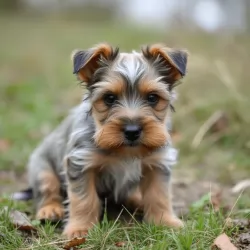 The Gully Terrier originated in India as a street dog, a mix of indigenous Indian Pariah Dogs and bully breeds like Pit Bulls and American Bulldogs.
Developed primarily for protection and hunting, they were used as guard dogs in urban and semi-urban areas. The name "Gully" refers to the narrow alleys and streets where these dogs were often found, while "Bully" highlights their muscular, strong build inherited from bully breeds.
Known for their loyalty, alertness, and protective instincts, Gully Terriers became valued companions for families in need of a strong, resilient dog that could thrive in tough environments.
The Yoranian is a mixed breed, hybrid or “designer” breed. They are a cross between the Pomeranian and the Yorkshire Terrier and are very small dogs. They were developed in Yorkshire, England in the 19th century. It is a very playful, family dog that is not registered with any pure breed club such as the American Kennel Club or AKC.
Basic Information
Origin:
India
United States
Life Span:
12 - 15 Years
12 - 14 Years
Other Names:
Bully Gully, Indian Street Dog, Indian Gully Dog, Desi Bully, Gully Bully , Desi Dog
Yorky Pom • Yorkie Pom • Yorkie-Pom • Yorki-pom • Yorkipom • Yoranian Terrier • Porkie • Pom-Yorkie
Colors Available:
Black and Tan, Gray, Tan, Brown/Brindle, Tri-color , Black, White, Fawn
crcream to apricot
Coat:
Short, Dense coat
thin Thick, short/medium, shiny, wirehaired double coat
Shedding:
Moderate
Moderate
Temperament:
Alert, Energetic, Independent, Intelligent, Loyal, Playful, Protective, Stubborn
Curious, Energetic, Intelligent, Loving
Grooming:
Moderate maintenance
Low maintenance
Trainability:
Moderate
Easy
New Owners Friendly:
Yes
Yes
Description
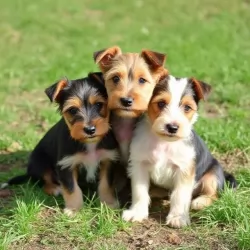 The Gully Terrier is a medium-sized, muscular dog known for its agility, loyalty, and protective nature. With a short, dense coat that comes in various colors, including black, brown, tan, and white, this breed has a distinctive appearance, often with a strong, powerful build.
The Gully Terrier is highly energetic and requires regular exercise to stay happy and healthy. Its intelligent, alert, and sometimes independent nature makes it a great guard dog and companion, although consistent training is necessary to manage its strong-willed personality.
This breed is well-suited for active families or individuals looking for a devoted and protective dog with a loving but protective demeanor.
The Yoranian is a toy breed, as are both its founding breeds. It checks in at only 7 pounds and stands only 6-10 inches tall. It can have medium or long fur in any combination of the parent’s colors including tan, black, blue or white. They have small ears that stand upright and erect, a small muzzle, medium tail and large round eyes. They can be long and slender like the Yorkshire Terrier or barrel shaped like the Pomeranian.
Characteristics
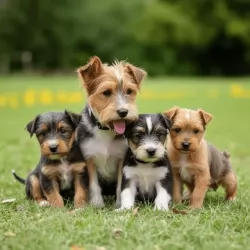 The Gully Terrier is a loyal, energetic, and intelligent breed with a strong, muscular build. Known for their protective nature, they make excellent guard dogs, staying alert and watchful of their surroundings.
While they are friendly and devoted to their family, they can also be independent and sometimes stubborn, requiring consistent training. Their short, dense coat is easy to groom, needing only regular brushing and ear cleaning.
Gully Terriers are active dogs that thrive on daily exercise and mental stimulation, making them great companions for those with an active lifestyle.
1.Children friendliness absolutely but monitor so that the dog does not get hurt. They are fragile.
2.Special talents – high energy and lots of enthusiasm
3.Adaptability – very adaptable small apartments are great.
4.Learning ability very high gets bored easily
Health Problems
Hip Dysplasia:
 Like many medium to large-sized dogs, Gully Terriers can be prone to hip dysplasia, a condition where the hip joint doesn't develop properly, leading to arthritis and discomfort.
Ear Infections:
Due to their floppy or semi-erect ears, Gully Terriers can be more susceptible to ear infections. Regular ear cleaning and checking can help prevent this.
Skin Issues:
Their short coat can sometimes be prone to skin irritations, especially if they are exposed to harsh weather or poor hygiene. Allergies or parasite infestations (like fleas) can cause skin problems.
Obesity:
Gully Terriers are highly energetic, but they can be prone to obesity if they don't get enough exercise or are overfed. A balanced diet and regular activity are essential.
Eye Problems:
Some dogs in this breed may experience congenital eye issues like cataracts or progressive retinal atrophy (PRA), which can affect vision.
Health Tips:
Regular vet check-ups to monitor joints, ears, and skin
Consistent exercise to maintain a healthy weight
Proper grooming to reduce risk of skin issues and ear infections
The Yoranian has some medical challenges such as:
• A very fragile neck and back. They can be hurt easily.
• Low Blood Sugar must be monitored.
• Eye irritations and dry eyes without enough tear production.
• Dental issues with decay and loss of teeth.
• Patellar Luxation of slipped kneecaps causing lameness.
• Retinal Atrophy can lead to blindness.
Caring The Pet
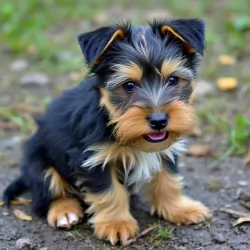 Caring for a Gully Terrier is straightforward but requires attention to their exercise, grooming, and training needs:
Exercise:
Gully Terriers are energetic and need daily exercise. Regular walks, runs, or play sessions will keep them happy and healthy.
Mental Stimulation:
They are smart and need activities that challenge their minds, like puzzle toys or training sessions.
Grooming:
Their short coat requires minimal care. Brush them once or twice a week and clean their ears regularly to prevent infections. Trim nails as needed.
Training:
Gully Terriers can be a bit independent, so start training early with positive reinforcement. Socialize them with people and other animals to avoid territorial behavior.
Diet and Health:
Feed them a balanced diet and control their portions to avoid weight gain. Regular vet check-ups will help keep them healthy.
With the right care, the Gully Terrier will be a happy, loyal companion!
1 Feeding the puppy don’t overfeed and feed small pieces of toy dog food. 3-4 x per day ¼ cup daily
2.Feeding the adult don’t overfeed/ high quality adult toy dog food. Make sure pieces are small. ¼ to ½ cup daily
3.Points for Good Health – lots of energy and enthusiasm
4. Games and Exercises high energy and enthusiasm at least 2 walks a day.
loves to play inside
Comparison with other breeds
- Gully Terrier vs Siberian Husky - Breed Comparison
- Gully Terrier vs Rottweiler - Breed Comparison
- Gully Terrier vs Boxer - Breed Comparison
- Gully Terrier vs Akita - Breed Comparison
- Gully Terrier vs Doberman Pinscher - Breed Comparison
- Gully Terrier vs Samoyed - Breed Comparison
- Gully Terrier vs Alaskan Malamute - Breed Comparison
- Gully Terrier vs Bullmastiff - Breed Comparison
- Gully Terrier vs Great Pyrenees - Breed Comparison
- Gully Terrier vs Boerboel - Breed Comparison
- Gully Terrier vs Presa Canario - Breed Comparison
- Gully Terrier vs Alapaha Blue Blood Bulldog - Breed Comparison
- Gully Terrier vs Labrador Husky - Breed Comparison
- Gully Terrier vs Argentine Dogo - Breed Comparison
- Gully Terrier vs Giant Schnauzer - Breed Comparison
- Gully Terrier vs Africanis - Breed Comparison
- Gully Terrier vs Belgian Shepherd - Breed Comparison
- Gully Terrier vs Goldador - Breed Comparison
- Gully Terrier vs Bandog - Breed Comparison
- Gully Terrier vs Belgian Shepherd Dog (Groenendael) - Breed Comparison
- Gully Terrier vs Dogo Cubano - Breed Comparison
- Gully Terrier vs Dogo Sardesco - Breed Comparison
- Gully Terrier vs Beauceron - Breed Comparison
- Gully Terrier vs Central Asian Shepherd - Breed Comparison
- Gully Terrier vs Mackenzie River Husky - Breed Comparison
- Yoranian vs Yorkshire Terrier - Breed Comparison
- Yoranian vs Chihuahua - Breed Comparison
- Yoranian vs Morkie - Breed Comparison
- Yoranian vs Havanese - Breed Comparison
- Yoranian vs Chorkie - Breed Comparison
- Yoranian vs Pekingese - Breed Comparison
- Yoranian vs Chinese Crested Dog - Breed Comparison
- Yoranian vs Chiweenie - Breed Comparison
- Yoranian vs Chug - Breed Comparison
- Yoranian vs Affenpinscher - Breed Comparison
- Yoranian vs Brussels Griffon - Breed Comparison
- Yoranian vs Chipoo - Breed Comparison
- Yoranian vs Chiapom - Breed Comparison
- Yoranian vs English Toy Terrier (Black & Tan) - Breed Comparison
- Yoranian vs Long Haired Chihuahua - Breed Comparison
- Yoranian vs Bichon Bolognese - Breed Comparison
- Yoranian vs Russian Toy Terrier - Breed Comparison
- Yoranian vs Franzuskaya Bolonka - Breed Comparison
- Yoranian vs Phalene - Breed Comparison
- Yoranian vs Bugg - Breed Comparison
- Yoranian vs Cockachon - Breed Comparison
- Yoranian vs Shih Tzu - Breed Comparison
- Yoranian vs Silky Terrier - Breed Comparison
- Yoranian vs Snorkie - Breed Comparison
- Yoranian vs Toy Bulldog - Breed Comparison
 MyDogBreeds