 MyDogBreeds
 Akita Inu is originated from Japan but Bloodhound is originated from United Kingdom. Akita Inu may grow 17 cm / 7 inches higher than Bloodhound. Akita Inu may weigh 33 kg / 72 pounds lesser than Bloodhound. Akita Inu may live 7 years more than Bloodhound. Akita Inu may have less litter size than Bloodhound. Akita Inu requires Moderate maintenance. But Bloodhound requires Low maintenance
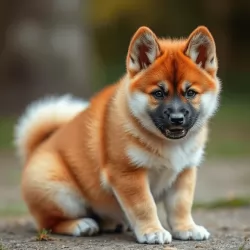 The Akita Inu, originating from Japan's snowy Akita Prefecture, has a long-standing legacy as a powerful hunting dog and loyal companion. Bred in the 1600s to track large game like boar and bear, the Akita quickly earned its place among Japanese nobility as a guardian and symbol of courage.
Its dignified nature and unwavering loyalty were immortalized in the true story of Hachikō, an Akita who waited nearly a decade for his deceased owner at a Tokyo train station. This devotion captured national and global admiration, leading to the breed’s recognition as a national treasure in Japan.
After World War II, American soldiers introduced Akitas to the West, giving rise to a larger, more robust variation known as the American Akita. Today, the Akita Inu remains a cherished breed worldwide for its strength, loyalty, and quiet dignity.
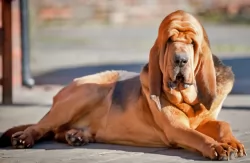 The history of the Bloodhound breed is a fascinating one. Known as a Sleuthhound for its ability to smell out the culprit and bag the prey. Even more so the Bloodhound is known for tracking and finding lost people. He is famous for finding human scents and being able to follow them even days or weeks after the person is lost. They are also able to track people over a great amount of land and have been known to successfully track escaped prisoners or wanted criminals. They are descended from the Saint-Hubert Hounds that were bred at the Abbey/Monastery at Saint-Hubert, Belgium. According to the legends the St. Hubert hounds were bred by the Monks in 1000AD. This hound was thought to be a mixed breed rather than a purebred. That’s because the ancestry of this hound is not really known but it is known that the monks bred them and sent several to the King of France annually. Only black hounds were gifted.
Some kings preferred not to hunt with these hounds thinking them not good enough while others thought the only use for them was as a leash hound. All described the St. Hubert as long in body with short legs. These gifts continued until the French Revolution when hunting in France was greatly reduced until the 19th century. The original St. Hubert strain became extinct in the 19th century and that the current European St. Hubert hound has its origins in the Bloodhound. The Bloodhound as a separate breed was already established in Europe by the middle of the 14th century. They were used as leach hounds to sniff out the prey so that the pack hounds could chase and keep it “at bay”. They were also used from the beginnings of the breed to track humans. At this time they were often known as sleuth hounds. As recorded by John Caius – the authority on Bloodhounds from their origins – writes about the breeds ability to find and track the scent of blood – thus becoming the Bloodhound and its use to track poachers and thieves. He also reported that the Bloodhound and the Sleuth Hound were the same basic breed. The number of Bloodhounds in Britain gradually declined until few remained after World War II. Britain has gradually built their breed back up by importing dogs from America. It was during the 19th century that the Bloodhound was imported into France by breeders who wished to reestablish the St. Hubert Hound. Thus the St. Hubert is both the ancestor and descendent of the Bloodhound. The Britain’s continue to believe that the Bloodhound is a native British breed.
The Bloodhounds in America have had great success as companion animals, with police departments and forest rangers and showing in the prestigious Westminster Kennel Club in New York. There are more Bloodhounds in the United States than anywhere else in the world.
In the end the Anglo-Saxton Bloodhound cannot be specified with any real certainty. Many believe it was not the St. Hubert that the Bloodhound descended from but rather the Norman hound or the sleuth-hound. Many believe it could have included other breeds such as the southern hound, the dun-hound and the Talbot. It cannot be proven today it the Bloodhound’s origins come from Belgian or England.
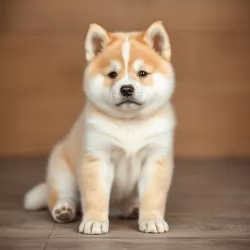 The Akita Inu is a large, powerful, and dignified dog breed known for its striking appearance, quiet nature, and unwavering loyalty.
Originating from Japan, it has a broad head, erect triangular ears, and a plush double coat that comes in red, white, brindle, or sesame, with characteristic urajiro (whitish markings). The Akita carries itself with pride and confidence, often aloof with strangers but deeply affectionate and protective toward its family.
Calm, intelligent, and strong-willed, the breed requires early socialization and firm, consistent training. Though not ideal for first-time owners, the Akita Inu is a loyal guardian and devoted companion for those who understand and respect its independent spirit.
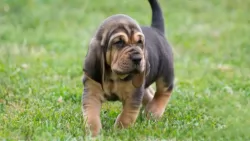 When being judged for confirmation in a show ring, the preference is for a larger dog, with an unusual skeleton in respect to its large size and heavy weight in the bones. They have a narrow head, flat at the sides, but long. They have deep set eyes buried in the deep, long face and wrinkles. The eyes might be yellow or run the gamut to deep hazel depending upon the color of the dog. The long velvety ears and thin and low set on the head. These long ears are as much a part of the Bloodhounds Olfactory system as his amazing nose. They curl backward and inward as the ends. There is a large amount of loose skin on the head and at the jowls. When the Bloodhound lowers his head the loose folds and ridges of skin are prominent on the face and forehead.
For many centuries all different colors of Bloodhounds could be found. Today however they are pretty much red, black and tan and black and liver. The Bloodhound is a powerful dog and is larger than most breeds of hounds.
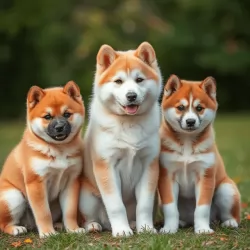 The Akita Inu is a large, noble, and powerful breed known for its dignified presence, strong loyalty, and quiet confidence. Originally bred for hunting and guarding, Akitas are naturally protective, courageous, and independent thinkers.
They form deep bonds with their family but are often aloof with strangers. Calm and clean by nature, they rarely bark without reason and carry themselves with elegance and strength.
Their double coat is thick and weather-resistant, requiring regular grooming, and they shed heavily, especially seasonally.
While intelligent, Akitas can be stubborn, so they thrive best with experienced owners who can offer consistent training and leadership. With proper care and socialization, the Akita Inu is a devoted, majestic companion.
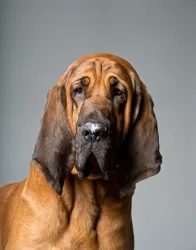 The Bloodhound is known as a gentle soul and he truly is. They are affectionate and gentle with people and children. However, their strong will to track can make them stubborn and hard to handle and train. They are easy going dogs and really like to be with people, children and other dogs. They are affectionate but tend to be set in their ways.
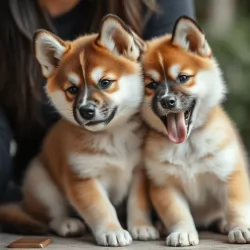 The Akita Inu is generally a strong and resilient breed, but it is prone to several genetic and breed-specific health issues.
Common concerns include hip and elbow dysplasia, progressive retinal atrophy (PRA), and hypothyroidism, all of which can affect mobility, vision, and metabolism.
The breed is also susceptible to autoimmune disorders like VKH-like syndrome and sebaceous adenitis, a skin condition causing hair loss and irritation. Additionally, Akitas may experience bloat (gastric torsion), a life-threatening emergency common in deep-chested dogs.
Regular veterinary care, proper diet, and responsible breeding practices are essential to help minimize health risks and ensure a long, healthy life.
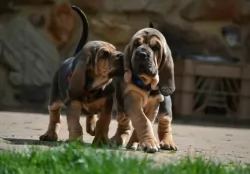 Obviously with ears like the Bloodhound there is always a chance for problems and serious infections. The ears need to be cleaned daily. Because their coat is so thick, they can overheat easily, and they are very prone to bloat, as are many large animals. However, with the Bloodhound, Bloat is the number one killer. Their lifespan is one of the shortest of all dogs at 6.75 years.
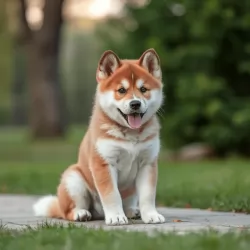 Caring for an Akita Inu involves commitment, consistency, and understanding of the breed's unique needs. They require regular grooming, especially during seasonal shedding, with brushing at least 2–3 times a week and daily during coat blow periods.
Akitas thrive on routine exercise, such as long walks or playtime in a secure area, but they aren’t overly energetic. Training and socialization should start early, using positive reinforcement and calm, firm leadership to manage their independent and protective nature.
They are best suited to homes where they are the only pet or properly introduced to others. Akitas are clean, quiet, and typically bond closely with their family, so providing mental stimulation, affection, and clear boundaries is key.
Regular vet checkups, a balanced diet, and proper social interaction help keep your Akita healthy, happy, and well-adjusted.
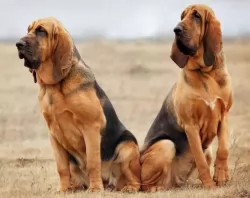 The Bloodhound is not a high energy, fast moving dog but that does not mean he doesn’t have serious nutritional needs. An overweight Bloodhound is on a course to an early demise. They should be fed a high-quality food once a day or split into two daily servings. Do not feed them right before or right after strenuous exercise and remember that strenuous exercise for a Bloodhound is considerably less than it is for a terrier.
As previously mentioned the number one cause of death in Bloodhounds is Bloat. They are also prone to cancer. They have minor issues with their eyes, but their ears and skin are also major concerns. Clean the ears daily and wipe out the skin folds and wrinkles to prevent infections. They should be test for hip and elbow dysplasia simply because they are large dogs, though these conditions are less common in Bloodhounds.
Though the Bloodhound is known as a couch potato his stamina and activity levels are usually greatly underestimated. He can follow a scent for 7-10 hours over miles of terrain with out a problem. He needs daily exercise such as long walks on a leash. Do not take your Bloodhound out off leash because if he picks up a scent and wanders off you will not be able to get his attention to call him back.