 MyDogBreeds
 Akita Inu is originated from Japan but Chippiparai is originated from India. Akita Inu may grow 8 cm / 4 inches higher than Chippiparai. Akita Inu may weigh 19 kg / 42 pounds more than Chippiparai. Both Akita Inu and Chippiparai has same life span. Akita Inu may have more litter size than Chippiparai. Akita Inu requires Moderate maintenance. But Chippiparai requires Low maintenance
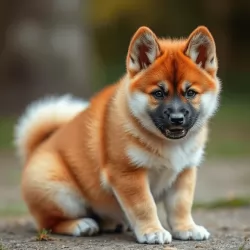 The Akita Inu, originating from Japan's snowy Akita Prefecture, has a long-standing legacy as a powerful hunting dog and loyal companion. Bred in the 1600s to track large game like boar and bear, the Akita quickly earned its place among Japanese nobility as a guardian and symbol of courage.
Its dignified nature and unwavering loyalty were immortalized in the true story of Hachikō, an Akita who waited nearly a decade for his deceased owner at a Tokyo train station. This devotion captured national and global admiration, leading to the breed’s recognition as a national treasure in Japan.
After World War II, American soldiers introduced Akitas to the West, giving rise to a larger, more robust variation known as the American Akita. Today, the Akita Inu remains a cherished breed worldwide for its strength, loyalty, and quiet dignity.
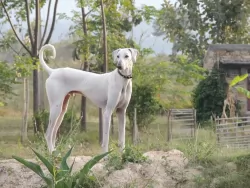 The Chippiparai is a working dog found in India and until recently there has been little interest in the purity of any breed, but rather only an emphasis on the abilities of the dog. They are only beginning to research the origin and history of their native dogs such as the Chippiparai. Not much is known about the origin of the breed except that it is found almost exclusively in Tamil Nadu and Keraia in the southern part of the subcontinent of India. Other than this there is much speculation about the breed’s origin but very little-known facts. It is indeed an ancient breed; however, its origin could be thousands of years ago or simply hundreds of years ago.
• Perhaps it is a descendant of the Saluki as it resembles this breed quite a bit. It has been believed for some time that the Saluki is the original sighthound and the source of all sighthound breeds. The Saluki was very popular in the Middle East, especially in Persia and Arabia from which it could easily have spread to India. It would then have been shared from Northern India to Southern India where the Chippiparai is found.
• Perhaps the Chippiparai is a descendent of sighthounds from Central Asia and Afghanistan – the Tazi, Taigan, Hortaya Borsaya or the Afghan Hound. This part of Central Asia had more trade, influence and contact with the Indian subcontinent early in their history than with any other region. The Chippiparai is considered by some to be more like these sighthounds than like the Saluki and the interaction between these regions has a much longer history than the Middle East and India.
• It is also speculated that the Chippiparai might have been developed completely and uniquely from the local street and working dogs. With the civilization of India being one of the oldest in the world, it is considered a possibility that the Chippiparai is the descendent of the Harappan hunting dogs that probably were developed by the Indus Valley or Harappa roiling class.
Wherever the Chippiparai came from, they were the exclusive property of the wealthy and ruling castes. These upper castes were the only ones that could legally hunt with dogs or afford to feed one. The royal classes of Tiruneivell, Thanjavur, and Madurai all fed the popularity of the breed among the upper castes. They were coursing dogs used to chase down the prey once it was sighted. The Chippiparai are incredibly fast runners and would catch almost any prey and either hold it or kill it for their hunter. The Chippiparai, when not hunting, had to be chained so they would not chase any small animal that they saw. This confinement also added to the purity of the breed as random breeding was prevented.
The southern part of the Indian subcontinent is extremely hot with routine temperatures over 100’. The Chippiparai was developed to withstand these extreme temperatures and is more heat tolerant than most any other breed. They also need very little food and are resistant to the many parasites and diseases found in southern India.
Harboring the belief that Indian dogs were not as good as European ones, the occupying countries of Portugal, France, and Britain, had no interest in the Chippiparai, again leaving the breed to develop naturally on their own with little or no interbreeding. They also received no formal recognition because Indian culture only valued the dog for its working abilities. There was no Indian Kennel Club until 1956.
The Chippiparai is now very rarely and only found in the area of its birth. Many believe the breed is in danger of becoming extinct and even though it is now registered with Indian Kennel Clubs it is not often shown in their dog shows. Lovers of the breed are now attempting to get Indians to recognize that the Chippiparai is a great companion animal and attempting to save the breed.
 The Akita Inu is a large, powerful, and dignified dog breed known for its striking appearance, quiet nature, and unwavering loyalty.
Originating from Japan, it has a broad head, erect triangular ears, and a plush double coat that comes in red, white, brindle, or sesame, with characteristic urajiro (whitish markings). The Akita carries itself with pride and confidence, often aloof with strangers but deeply affectionate and protective toward its family.
Calm, intelligent, and strong-willed, the breed requires early socialization and firm, consistent training. Though not ideal for first-time owners, the Akita Inu is a loyal guardian and devoted companion for those who understand and respect its independent spirit.
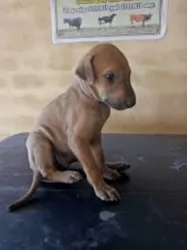 The Chippiparai is a typical sighthound although their size and appearance will vary more than that of registered purebred sighthounds. Typically, they will have a long, domed head with small erect ears and dark eyes. Their muzzle will be as deep and wide as the skull but longer. Their legs are straight and long, their chest is roached back and deep, giving them, an appearance very similar to a greyhound or other sighthound.
They have a long curly tail, and their coat can vary greatly in color. They are medium sized, and their coat is short, shiny and close. He is very slender and sleek, which along with his long legs gives him that incredible speed. They are thin with visible ribs.
 The Akita Inu is a large, noble, and powerful breed known for its dignified presence, strong loyalty, and quiet confidence. Originally bred for hunting and guarding, Akitas are naturally protective, courageous, and independent thinkers.
They form deep bonds with their family but are often aloof with strangers. Calm and clean by nature, they rarely bark without reason and carry themselves with elegance and strength.
Their double coat is thick and weather-resistant, requiring regular grooming, and they shed heavily, especially seasonally.
While intelligent, Akitas can be stubborn, so they thrive best with experienced owners who can offer consistent training and leadership. With proper care and socialization, the Akita Inu is a devoted, majestic companion.
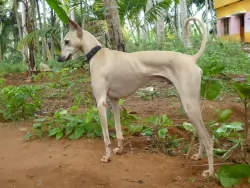 The Chippiparai is a loving, gentle family dog if well socialized, well trained and well exercised. They are very intelligent and need human companionship. Once they are living with a human family, they are very protective of that family. They are for the most part peaceful and quiet dogs. They are loyal and loving but they are not overly affectionate. Cuddlers they are not, and they do not like to play rough with children.
Accepting and loving within the family, the Chippiparai are equally hesitant and shy around strangers. They can be suspicious, but they are not aggressive. They are just very aloof with strangers, yet they hardly ever bark.
 The Akita Inu is generally a strong and resilient breed, but it is prone to several genetic and breed-specific health issues.
Common concerns include hip and elbow dysplasia, progressive retinal atrophy (PRA), and hypothyroidism, all of which can affect mobility, vision, and metabolism.
The breed is also susceptible to autoimmune disorders like VKH-like syndrome and sebaceous adenitis, a skin condition causing hair loss and irritation. Additionally, Akitas may experience bloat (gastric torsion), a life-threatening emergency common in deep-chested dogs.
Regular veterinary care, proper diet, and responsible breeding practices are essential to help minimize health risks and ensure a long, healthy life.
 There are no clinical studies regarding the health and health history of the Chippiparai, so little is known about their long-term health. However, most who know the breed, believe it is an incredibly healthy one. They seem to have a lot less genetically transmitted health issues than other purebreds. Because of their isolation for centuries in India, they have developed immunities and resistance to most parasites and diseases other dog suffer from.
Because of this you should look for the types of issues that occur in dogs of this size and build. Have them tested by the Canine Eye Registration Foundation and the Orthopedic Foundation for Animals.
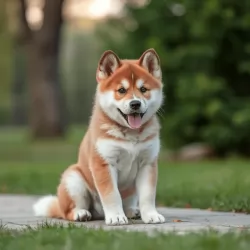 Caring for an Akita Inu involves commitment, consistency, and understanding of the breed's unique needs. They require regular grooming, especially during seasonal shedding, with brushing at least 2–3 times a week and daily during coat blow periods.
Akitas thrive on routine exercise, such as long walks or playtime in a secure area, but they aren’t overly energetic. Training and socialization should start early, using positive reinforcement and calm, firm leadership to manage their independent and protective nature.
They are best suited to homes where they are the only pet or properly introduced to others. Akitas are clean, quiet, and typically bond closely with their family, so providing mental stimulation, affection, and clear boundaries is key.
Regular vet checkups, a balanced diet, and proper social interaction help keep your Akita healthy, happy, and well-adjusted.
 Do not overfeed your Chippiparai. Feed twice a day and no more than a total of 2.5 cups of high quality dry food.
As mentioned previously the Chippiparai seems to have no genetic diseases or issues and very few acquired ones. However, he is sensitive to anesthesia and some foods. He is intolerant to cold weather and has a hard time with his pads on hard surfaces. Some Chippiparai might experience some of the ailments other breeds like them experience.
Both Elbow and hip are possible. This can cause arthritis and lameness. This occurs when the bone does not fit well into the joint.
This can cause lameness as well. The kneecaps slide over the knee instead of staying in place.
This is a hunting dog and he will want to hunt. They are incredibly fast and need the opportunity to run. Brisk walks will not be enough for this dog. He is very energetic. They will chase any small animals. It is not recommended that you have small pets even small dogs or cats with a Chippiparai. Having been bred for centuries to hunt, they are not likely to respond to any commands if they are off lease and chasing prey. Do not allow them to be off leash unless in a fenced area, and that fence needs to be 8 feet tall as they can easily jump a seven-foot fence. Try they at coursing, agility, fly ball and frisbee competitions.