 MyDogBreeds
 Akita Inu is originated from Japan but Native American Indian Dog is originated from United States. Akita Inu may grow 37 cm / 15 inches higher than Native American Indian Dog. Akita Inu may weigh 81 kg / 178 pounds lesser than Native American Indian Dog. Akita Inu may live 4 years less than Native American Indian Dog. Both Akita Inu and Native American Indian Dog has same litter size. Akita Inu requires Moderate maintenance. But Native American Indian Dog requires High maintenance
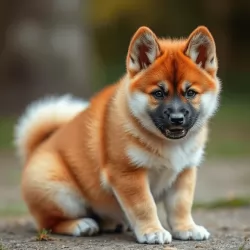 The Akita Inu, originating from Japan's snowy Akita Prefecture, has a long-standing legacy as a powerful hunting dog and loyal companion. Bred in the 1600s to track large game like boar and bear, the Akita quickly earned its place among Japanese nobility as a guardian and symbol of courage.
Its dignified nature and unwavering loyalty were immortalized in the true story of Hachikō, an Akita who waited nearly a decade for his deceased owner at a Tokyo train station. This devotion captured national and global admiration, leading to the breed’s recognition as a national treasure in Japan.
After World War II, American soldiers introduced Akitas to the West, giving rise to a larger, more robust variation known as the American Akita. Today, the Akita Inu remains a cherished breed worldwide for its strength, loyalty, and quiet dignity.
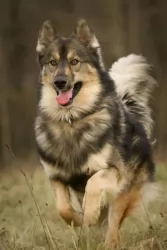 The Native American Indian Dog is an ancient breed, that some consider to be feral. It is a landrace breed that developed with the indigenous peoples North America. These dogs originally looked and sounded like wolves and it is likely that their ancestry is tied to wolves crossed with pre-Columbian American dogs that came to the America’s with the first peoples. There are some that believe the Native American Indian Dog is a connecting line back to the dogs or wolves that over 12,000 years ago were the first to be domesticated by human beings.
They are now a rare breed in the wild and a small group of domesticated dogs. Fossil studies in recent years suggests that the Native American Indian Dogs came to North America about 4500 years after the first indigenous peoples. It is believed that the Native Americans bred the dogs that traders and explorers brought with them to the native coyote as well. This created a breed specific to North America and called the Common Native Dog or the Common Indian Dog. The original NAID was a mix of many different breeds of dogs and wild canines.
Today’s NAID is said to be raised on Indian reservations in the United State and represent a mix of Chinook, Husky, German Shepherd Dog and Malamute, along with perhaps some of today’s wolf mixed in. This dog is raised domestically and is socialized to life with humans. They are the last remaining breed from all the Native North American dogs that lived with the original people of the Americas. They are also thought to have an ancestry similar to the Australian Dingo.
They are a devoted, protective and loyal breed though they tend to be shy. They need to be outside for the majority of the day and don’t do well in crates. They need a fenced yard and room to roam. They are working dogs that hunted, pulled sleds and guarded their homes. They still need a job to so.
Today the North American Indian Dog is being bred to replicate the temperament and appearance of the originals. Although there are many breeders working from the founding breeder with original stock, there are only six that are officially given authorization to breed the NAID. They are registered by Terra Pines with the National Kennel Club but not recognized by the AKC and UKC.
The breed name NAID is trademarked by Karen Markel of Majestic View Kennels in the 1990’s. Today the breed is nationally recognized as a breed very much like the original Native American dogs, The breed is intelligent and quite healthy. They enjoy people and engage in many companion activities.
Whatever its true ancestry the current Native American Indian Dog (NAID), today’s version is not recognized by the AKC, but they are recognized by the Dog Registry of America, the Native American Indian Dog Registry and the National Kennel Club.
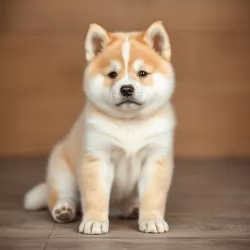 The Akita Inu is a large, powerful, and dignified dog breed known for its striking appearance, quiet nature, and unwavering loyalty.
Originating from Japan, it has a broad head, erect triangular ears, and a plush double coat that comes in red, white, brindle, or sesame, with characteristic urajiro (whitish markings). The Akita carries itself with pride and confidence, often aloof with strangers but deeply affectionate and protective toward its family.
Calm, intelligent, and strong-willed, the breed requires early socialization and firm, consistent training. Though not ideal for first-time owners, the Akita Inu is a loyal guardian and devoted companion for those who understand and respect its independent spirit.
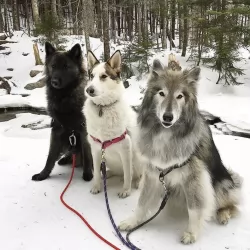
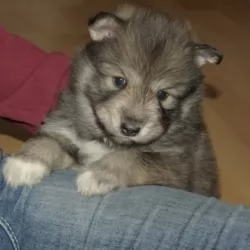 There are two sizes of the North American Indian Dog – they are medium and large. They have dense short double coats, or they have long top coats and a fairly dense undercoat. They come in a variety of colors mostly black or silver but there is also a tortoiseshell. These tortoiseshell colored dogs are considered by Native Americans to be sacred beings. These tortoiseshell dogs are strikingly good looking and are called Spirit Dog.
They all have the look of a Siberian Husky or Alaskan Malamute with upright ears and almond shaped eyes that are anywhere from amber to brown with some blue. Usually their tails are down and long but can be curled. They resemble the wolf and have that wild, feral appearance. They can be as large as over one hundred pounds or average seventy to eighty pounds. They are strong, alert and intelligent. They are considered to be hypoallergenic, shedding their coat only once a year.
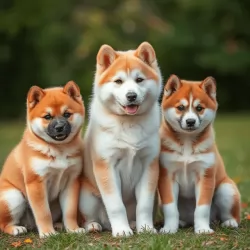 The Akita Inu is a large, noble, and powerful breed known for its dignified presence, strong loyalty, and quiet confidence. Originally bred for hunting and guarding, Akitas are naturally protective, courageous, and independent thinkers.
They form deep bonds with their family but are often aloof with strangers. Calm and clean by nature, they rarely bark without reason and carry themselves with elegance and strength.
Their double coat is thick and weather-resistant, requiring regular grooming, and they shed heavily, especially seasonally.
While intelligent, Akitas can be stubborn, so they thrive best with experienced owners who can offer consistent training and leadership. With proper care and socialization, the Akita Inu is a devoted, majestic companion.
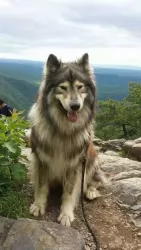 This breed is gentle and loving with children.
Endurance, strength and good health.
Low adaptability to small living spaces and lack of outside space; don’t do well in crates and need an experienced dog owner.
They are highly intelligent, love to learn and are just a little stubborn.
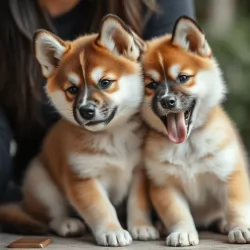 The Akita Inu is generally a strong and resilient breed, but it is prone to several genetic and breed-specific health issues.
Common concerns include hip and elbow dysplasia, progressive retinal atrophy (PRA), and hypothyroidism, all of which can affect mobility, vision, and metabolism.
The breed is also susceptible to autoimmune disorders like VKH-like syndrome and sebaceous adenitis, a skin condition causing hair loss and irritation. Additionally, Akitas may experience bloat (gastric torsion), a life-threatening emergency common in deep-chested dogs.
Regular veterinary care, proper diet, and responsible breeding practices are essential to help minimize health risks and ensure a long, healthy life.
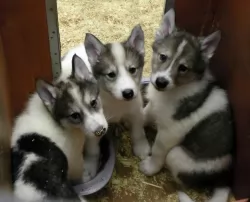 This is a fairly healthy, long lived breed having spent so much of its history in isolation. They are prone to some of the issues that affect all medium to large breeds.
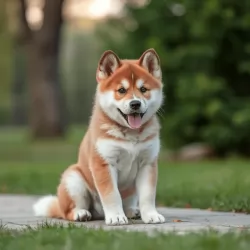 Caring for an Akita Inu involves commitment, consistency, and understanding of the breed's unique needs. They require regular grooming, especially during seasonal shedding, with brushing at least 2–3 times a week and daily during coat blow periods.
Akitas thrive on routine exercise, such as long walks or playtime in a secure area, but they aren’t overly energetic. Training and socialization should start early, using positive reinforcement and calm, firm leadership to manage their independent and protective nature.
They are best suited to homes where they are the only pet or properly introduced to others. Akitas are clean, quiet, and typically bond closely with their family, so providing mental stimulation, affection, and clear boundaries is key.
Regular vet checkups, a balanced diet, and proper social interaction help keep your Akita healthy, happy, and well-adjusted.
 Because of their propensity to grow to quickly the puppy should only stay on puppy food for 8-10 months. Feed them a high quality large dog puppy food 3-4 times daily for a total of 2-21/2 cups per day.
Feed a high protein, large dog dry food twice a day for a total of two cups. Do not over feed. Do not feed right before or after exercise do to the risk of bloat.
Healthy, strong long lived dog.
This is not an indoor, couch potato dog. They need exercise and they need space. They won’t do well as apartment dogs unless you can take them to a dog park for over an hour every day. They really need a large fenced in yard. They don’t do well in crates either. He doesn’t understand crates and thinks you are punishing him. They make great hunters, search and rescue dogs, service dogs and therapy dogs. They will succeed at pulling competitions and weight competitions.