 Akita Inu is originated from Japan but Yorkillon is originated from United States. Akita Inu may grow 48 cm / 19 inches higher than Yorkillon. Akita Inu may weigh 35 kg / 78 pounds more than Yorkillon. Both Akita Inu and Yorkillon has almost same life span. Akita Inu may have more litter size than Yorkillon. Both Akita Inu and Yorkillon requires Moderate maintenance.
History
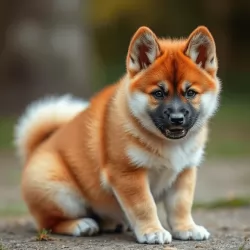 The Akita Inu, originating from Japan's snowy Akita Prefecture, has a long-standing legacy as a powerful hunting dog and loyal companion. Bred in the 1600s to track large game like boar and bear, the Akita quickly earned its place among Japanese nobility as a guardian and symbol of courage.
Its dignified nature and unwavering loyalty were immortalized in the true story of Hachikō, an Akita who waited nearly a decade for his deceased owner at a Tokyo train station. This devotion captured national and global admiration, leading to the breed’s recognition as a national treasure in Japan.
After World War II, American soldiers introduced Akitas to the West, giving rise to a larger, more robust variation known as the American Akita. Today, the Akita Inu remains a cherished breed worldwide for its strength, loyalty, and quiet dignity.
The Yorkillon is a bighearted cross between the Yorkshire Terrier and the Papillon. They are small dogs with huge attitudes and big ears. They are known to be sassy and get into trouble. They are playful, affectionate and intelligent. They were initially developed in the US sometime about 20-30 years ago.
Not recognized by the American Kennel Club as they are considered designer dogs or mixed breeds
Basic Information
Origin:
Japan
United States
Life Span:
10 - 15 Years
12 - 14 Years
Other Names:
Japanese Akita, American Akita, Great Japanese Dog , Akita
Papa-ShirePapa-Shire • Papiyork • Yorkie Pap Papillon-Yorkshire Terrier Mix, Papillon-Yorkie Mix,
Colors Available:
White, Red Fawn, Sesame, Brindle
White, brown and white, light brown/golden, dark brown/chocolate, black and brown, black
Coat:
Double coat
Straight, medium, fine fine, soft coat
Shedding:
Constant
Moderate
Temperament:
Affectionate, Aggressive, Courageous, Energetic, Independent, Loyal, Protective, Quiet
Alert, Energetic, Friendly, Loving, Loyal, Playful
Grooming:
Moderate maintenance
Moderate maintenance
Trainability:
Moderate
Easy
New Owners Friendly:
No
Yes
Description
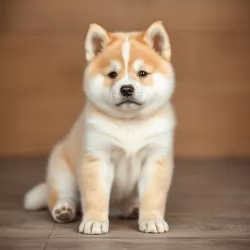 The Akita Inu is a large, powerful, and dignified dog breed known for its striking appearance, quiet nature, and unwavering loyalty.
Originating from Japan, it has a broad head, erect triangular ears, and a plush double coat that comes in red, white, brindle, or sesame, with characteristic urajiro (whitish markings). The Akita carries itself with pride and confidence, often aloof with strangers but deeply affectionate and protective toward its family.
Calm, intelligent, and strong-willed, the breed requires early socialization and firm, consistent training. Though not ideal for first-time owners, the Akita Inu is a loyal guardian and devoted companion for those who understand and respect its independent spirit.
The Yorkillon is a small dog that can look like a Yorkie or a Papillon but most due have large ears like the Papillon. Both parent breeds have long hair and short legs. There is still a lot of first generation breeding, but most are now products of multigenerational breeding. This means that every puppy can look different and no two are likely to look the same.
Characteristics
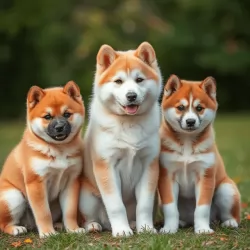 The Akita Inu is a large, noble, and powerful breed known for its dignified presence, strong loyalty, and quiet confidence. Originally bred for hunting and guarding, Akitas are naturally protective, courageous, and independent thinkers.
They form deep bonds with their family but are often aloof with strangers. Calm and clean by nature, they rarely bark without reason and carry themselves with elegance and strength.
Their double coat is thick and weather-resistant, requiring regular grooming, and they shed heavily, especially seasonally.
While intelligent, Akitas can be stubborn, so they thrive best with experienced owners who can offer consistent training and leadership. With proper care and socialization, the Akita Inu is a devoted, majestic companion.
1.Children friendliness yes but be careful the children do not hurt the small dogs. This is particularly true regarding the risk of tracheal collapse.
2.Special talents – loves to do tricks
3.Adaptability – can live anywhere in an apartment as well as a home, but he would prefer to have a fenced yard to run in.
4.Learning ability – extremely smart and very obedient
Health Problems
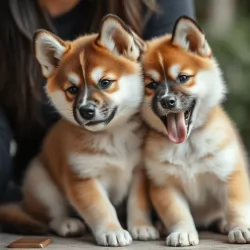 The Akita Inu is generally a strong and resilient breed, but it is prone to several genetic and breed-specific health issues.
Common concerns include hip and elbow dysplasia, progressive retinal atrophy (PRA), and hypothyroidism, all of which can affect mobility, vision, and metabolism.
The breed is also susceptible to autoimmune disorders like VKH-like syndrome and sebaceous adenitis, a skin condition causing hair loss and irritation. Additionally, Akitas may experience bloat (gastric torsion), a life-threatening emergency common in deep-chested dogs.
Regular veterinary care, proper diet, and responsible breeding practices are essential to help minimize health risks and ensure a long, healthy life.
There are not a lot of hereditary health issues but there are some issues they can be prone to:
• Patellar Luxation – slipped knee caps can lead to lameness.
• Epilepsy – can be treated with medication.
• Diabetes – can be treated with medication
• Legg Calve Perthes Disease – blood disorder affecting hind leg bones.
• Heart defects
• Tracheal collapse
• Hip dysplasia – can cause lameness.
Caring The Pet
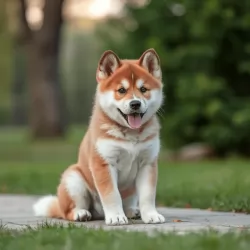 Caring for an Akita Inu involves commitment, consistency, and understanding of the breed's unique needs. They require regular grooming, especially during seasonal shedding, with brushing at least 2–3 times a week and daily during coat blow periods.
Akitas thrive on routine exercise, such as long walks or playtime in a secure area, but they aren’t overly energetic. Training and socialization should start early, using positive reinforcement and calm, firm leadership to manage their independent and protective nature.
They are best suited to homes where they are the only pet or properly introduced to others. Akitas are clean, quiet, and typically bond closely with their family, so providing mental stimulation, affection, and clear boundaries is key.
Regular vet checkups, a balanced diet, and proper social interaction help keep your Akita healthy, happy, and well-adjusted.
1.Feeding the puppy Feed a high quality toy puppy food 3-4 meals per day a total of ¼ cup for the day.
2.Feeding the adult Feed a high quality toy puppy food 1-2 meals per day a total of ½ cup for the day.
3.Points for Good Health – No inherited issues.
4. Games and Exercises – These are high energy dogs as both parent breeds are such. They need to run, love having a fenced yard, 15-20 minute walks per day.
Comparison with other breeds
- Akita Inu vs Siberian Husky - Breed Comparison
- Akita Inu vs Rottweiler - Breed Comparison
- Akita Inu vs Boxer - Breed Comparison
- Akita Inu vs Akita - Breed Comparison
- Akita Inu vs Doberman Pinscher - Breed Comparison
- Akita Inu vs Samoyed - Breed Comparison
- Akita Inu vs Alaskan Malamute - Breed Comparison
- Akita Inu vs Bullmastiff - Breed Comparison
- Akita Inu vs Great Pyrenees - Breed Comparison
- Akita Inu vs Boerboel - Breed Comparison
- Akita Inu vs Presa Canario - Breed Comparison
- Akita Inu vs Alapaha Blue Blood Bulldog - Breed Comparison
- Akita Inu vs Labrador Husky - Breed Comparison
- Akita Inu vs Argentine Dogo - Breed Comparison
- Akita Inu vs Giant Schnauzer - Breed Comparison
- Akita Inu vs Africanis - Breed Comparison
- Akita Inu vs Belgian Shepherd - Breed Comparison
- Akita Inu vs Goldador - Breed Comparison
- Akita Inu vs Bandog - Breed Comparison
- Akita Inu vs Belgian Shepherd Dog (Groenendael) - Breed Comparison
- Akita Inu vs Dogo Cubano - Breed Comparison
- Akita Inu vs Dogo Sardesco - Breed Comparison
- Akita Inu vs Beauceron - Breed Comparison
- Akita Inu vs Central Asian Shepherd - Breed Comparison
- Akita Inu vs Mackenzie River Husky - Breed Comparison
- Yorkillon vs Yorkshire Terrier - Breed Comparison
- Yorkillon vs Chihuahua - Breed Comparison
- Yorkillon vs Morkie - Breed Comparison
- Yorkillon vs Havanese - Breed Comparison
- Yorkillon vs Chorkie - Breed Comparison
- Yorkillon vs Pekingese - Breed Comparison
- Yorkillon vs Chinese Crested Dog - Breed Comparison
- Yorkillon vs Chiweenie - Breed Comparison
- Yorkillon vs Chug - Breed Comparison
- Yorkillon vs Affenpinscher - Breed Comparison
- Yorkillon vs Brussels Griffon - Breed Comparison
- Yorkillon vs Chipoo - Breed Comparison
- Yorkillon vs Chiapom - Breed Comparison
- Yorkillon vs English Toy Terrier (Black & Tan) - Breed Comparison
- Yorkillon vs Long Haired Chihuahua - Breed Comparison
- Yorkillon vs Bichon Bolognese - Breed Comparison
- Yorkillon vs Russian Toy Terrier - Breed Comparison
- Yorkillon vs Franzuskaya Bolonka - Breed Comparison
- Yorkillon vs Phalene - Breed Comparison
- Yorkillon vs Bugg - Breed Comparison
- Yorkillon vs Cockachon - Breed Comparison
- Yorkillon vs Shih Tzu - Breed Comparison
- Yorkillon vs Silky Terrier - Breed Comparison
- Yorkillon vs Snorkie - Breed Comparison
- Yorkillon vs Toy Bulldog - Breed Comparison
 MyDogBreeds