 MyDogBreeds
Both Bagel Hound and American Molossus are originated from United States. Bagel Hound may grow 23 cm / 9 inches shorter than American Molossus. Bagel Hound may weigh 21 kg / 46 pounds lesser than American Molossus. Both Bagel Hound and American Molossus has almost same life span. Both Bagel Hound and American Molossus has same litter size. Bagel Hound requires Low maintenance. But American Molossus requires Moderate maintenance
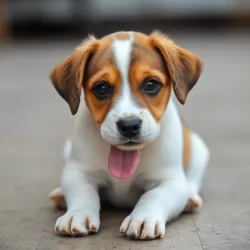 The Bagel Hound is a hybrid breed that emerged in the early 2000s by crossing the Beagle and Basset Hound. Both parent breeds have ancient origins—Beagles were bred for hunting small game with their exceptional sense of smell, while Basset Hounds, with their calm demeanor and powerful scenting ability, were also used for hunting.
The Bagel Hound was developed to combine the Beagle’s playful, energetic nature with the Basset Hound’s laid-back, affectionate temperament. Though relatively new, this hybrid quickly became popular for its friendly disposition, moderate energy, and suitability as a family companion.
Based on the massive dog of Mesopotamia in 5000 BC, the American Molossus is the same dog recreated in the United States by and for the lovers of these giant dogs. The ancient Molossus was fierce to look at, massive in size, courageous and loyal. He was undaunted by any animal and stood up to any man attempting to hurt his master. When Rome fell the descendants of today’s Molossus were scattered and attempts to revive the breed have created carious large dogs. The American Molossus is the first true recreation that hits the mark.
The original Molossus was one of the most primitive of dogs, one of the earliest dogs that men domesticated. Their initials duties were the guarding of herds and homes against all enemies. They were incredibly loyal to their one master and stayed with him and protected him. These dogs also ate carrion and served the villages by eliminating animal carcasses. They could handle any other hunting animals such as wolves and large cats. This dog, although extinct was the ancestor of all the Mastiff-type dogs of today. The Molossus is said to be the ancestor of the St. Bernard, English Mastiff, Greater Swiss Mountain Dog, Bernese Mountain Dog, Newfoundland, Great Dane, Great Pyrenees, Rottweiler, Rottweiler and the Neapolitan Mastiff. Now these breeds have become the ancestry of the American Molossus.
According to Marcus Curtis, the founder of the new Molossus, the nearest relative of the American Molossus is the Neapolitan Mastiff. The Hines Bulldog, German Rottweiler, American Bandogge, and South African Boerboel together with the Neapolitan Mastiff were used to form the American Molossus. The goal of the founder was to make a great family pet and protector. It was specifically bred to be courageous, loyal and protective.
 The Bagel Hound is a medium-sized, affectionate hybrid breed resulting from the cross between the Beagle and the Basset Hound. With a sturdy, muscular body and a short, dense coat, this breed combines the best features of its parents.
Typically, a Bagel Hound has a short to medium-length coat that can come in a variety of colors, including tri-color (black, white, and tan), bi-color, or combinations of tan, white, and black. Their face is expressive with long, floppy ears and a soft, gentle gaze, a trait inherited from both parent breeds.
This breed is known for being friendly, affectionate, and playful, making it an excellent companion for families, including those with children or other pets. While generally calm, they do have a stubborn streak due to their strong scenting instincts, so consistent training is important. Despite their playful nature, they are not overly energetic and are typically content with moderate exercise, such as daily walks and playtime.
The Bagel Hound has a balanced temperament—loyal, loving, and a little mischievous—which makes them a popular choice for families and first-time dog owners who are willing to invest in training and care.
This is a giant, massive dog in every way and this recently developed standard makes that very clear. The Molossus should be heavy bones, muscular with a lot of loose skin and wrinkles of all kinds, everywhere. He is an intimidating presence, with a massive square head, broad shoulders, height and mass. No, the American Molossus is not athletic, but he certainly is intimidating.
His head is massive in comparison to his body and it must be square. He has extensive wrinkles and pendulous lips and dewlap. The face is all folds of skin and wrinkles. Deep set eyes, drooping upper lids and lower lids as well as an intimidating expression. His brow is well developed with a marked frontal furrow. The nose is large, and the muzzle is about a third of the length of its head. It is short and broad. Everything about the head must be square. It’s neck and body are powerful and muscular. The chest is deep, wide and barrel like. The back is also powerful and muscular. The front legs are heavy and muscular while the hind legs are broad, strong, powerful and wide-stance. Do not remove the front dew claws. His tail is thick and wide then gradually tapers at the tip.
 The Bagel Hound is a friendly, affectionate, and playful breed, combining the best traits of its Beagle and Basset Hound parents. They are medium-sized with a sturdy, muscular build, and a short, dense coat. Bagel Hounds are social and enjoy being around people, often following their owners around and seeking attention. They have a gentle, patient nature, making them great with children and other pets.
While they are generally calm, they are also curious and scent-driven, which can make them a bit stubborn and prone to distractions. Their affectionate personality and loyal nature make them great companions, though they benefit from consistent training and exercise.
The American Molossus is an intimidating massive giant bred for protection and guard duty. He is incredibly loyal to his family and courageous in his protection of them. They are guard dogs, not attack dogs. Their simple appearance is usually enough to frighten off anyone intending harm on their families. He is in reality a loving giant. He is intelligent and stable with a strong desire to please his owner. He is a calm yet vigilant presence in the home.
Because the Molossus is so large, it is recommended that the puppy be socialized and trained professionally. It takes a strong owner to handle this breed. They need to know the rules and have the rules consistently applied. The owner must be the pack leader.
 A common genetic condition where the hip joint doesn't fit properly, causing pain and potential arthritis. It can lead to limping or difficulty moving, especially as the dog ages.
The Bagel Hound’s long, floppy ears trap moisture and debris, making them more susceptible to infections. Regular ear cleaning and keeping ears dry can help prevent this issue.
Bagel Hounds love food, and without proper portion control and exercise, they can easily gain weight. Obesity can lead to other health problems like heart disease, joint issues, and reduced life expectancy. Regular exercise and a balanced diet are essential to keep them at a healthy weight.
Like all Mastiffs the American Molossus faces a variety of potential illnesses, some brought on by its size, some not.
This could easily be a function of its massive size. It is a degenerative disease and can cause the dog to become lame. In many cases the vertebrae can fuse, or severe pain can result. This is mostly seen in older members of the breed.
Male Molossus can contract this inherited metabolic disease primarily. It can be life threatening and very serious as it affects the kidney and the bladder.
This is essentially Cervical Vertebral Instability (CVI) and is caused by the pressure of the nerves in the neck and cervical spinal cord. This compression can cause deformity, pain and abnormal stance/gait. IT has been attributed to the nutrition needs and rapid growth of the Mastiff breeds.
Like all giant Mastiff breeds the Molossus can have skin issues from the wrinkles, dysplasia in the joints which we will address below.
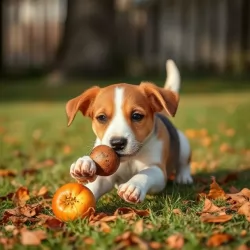
 Daily walks help keep them fit, while interactive play sessions like fetch offer mental and physical stimulation. Avoid overexerting them, especially in hot weather, to prevent exhaustion.
Provide a balanced diet with portion control to maintain a healthy weight. Brush their coat weekly to manage shedding, and clean their ears regularly to avoid infections.
Use positive reinforcement during training for best results. Regular vet check-ups ensure they stay healthy, and keeping an eye on their weight helps prevent obesity.
Remembering that this is a very, very large dog you need to be careful about nutrition and how fast your puppy will grow. American Molossus puppies need four meals a day until 12 weeks old. Then until they are 6 months old feed then 3 times a day. Finally, from 6-month-old puppy to adult – feed them twice in 24 hours.
At one year either feed them once or two small meals.
Many people feed their Molossus eggs, vegetables, fruit, and cottage cheese as ten 5 of the total for the day but avoid other table foods. The Molossus can become very picky about what he eats if you feed him too many table scraps.
In addition to the health problems listed above, the American Molossus is also susceptible to: Ditichiasis – Eyelashes that are in the margin of the eyelids and can cause eye irritation. May require surgery to correct.
Could cause blindness if not removed. Ectropian/Entropion: Eversion and inversion of eyelids which cause ocular irritation.
This is a degenerative disease which causes the dog to go blind. It is a disease the affects the retinal visual cells, first causing night blindness then day blindness. A DNA test is available for detecting PRA in all Mastiff breeds.
Common in large breeds and especially in giant breeds like the Molossus. Multiple forms and causes but all can cause pain and lameness.
Do to wrinkles and loose skin – check often for moisture and infections.
The is a problem based on a variety of possible causes. It happens when the puppy is between 6-16 months of age. Lameness occurs over time in one limb or in all. It can be intermittent and might be caused by diet, genetics, stress, autoimmune or metabolic issues or infection.
This issue is developmental as the dog’s toes turn either inward or outward, then as the condition advances the dog suffers fever, pain in all joints, lethargy and the inability to stand. This happens when the dog consumes too many calories for his activity level in the development times.
The American Molossus is not a couch potato. He needs to be walked at least twice a day and loves to play fetch. He will be greatly benefited by obedience training. Do not overdo it with exercise but make sure they don’t just lay around.