 MyDogBreeds
 Both Bagel Hound and Bluetick Coonhound are originated from United States. Bagel Hound may grow 26 cm / 10 inches shorter than Bluetick Coonhound. Bagel Hound may weigh 9 kg / 19 pounds lesser than Bluetick Coonhound. Bagel Hound may live 3 years more than Bluetick Coonhound. Both Bagel Hound and Bluetick Coonhound has same litter size. Bagel Hound requires Low maintenance. But Bluetick Coonhound requires Moderate maintenance
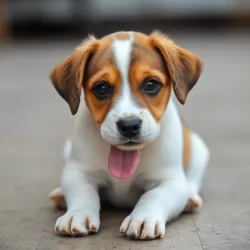 The Bagel Hound is a hybrid breed that emerged in the early 2000s by crossing the Beagle and Basset Hound. Both parent breeds have ancient origins—Beagles were bred for hunting small game with their exceptional sense of smell, while Basset Hounds, with their calm demeanor and powerful scenting ability, were also used for hunting.
The Bagel Hound was developed to combine the Beagle’s playful, energetic nature with the Basset Hound’s laid-back, affectionate temperament. Though relatively new, this hybrid quickly became popular for its friendly disposition, moderate energy, and suitability as a family companion.
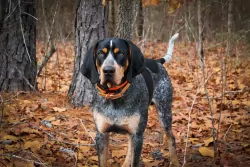 Bred to be hunting dogs, for a long time the Bluetick Coonhound was referred to as the English Coonhound.The Bluetick Coonhound is actually one of 6 recognized breeds of Coonhound, and they were all developed in the United States. In 1945, breeders broke away from their English counterparts, renaming the larger dog to Bluetick Coonhound.
Not much is known of their origins but it seems as though with selective breeding between French Hounds, Foxhounds and English Coonhounds, the Bluetick Coonhound was produced. Originating in the United States of America, it was in 2008 that he Bluetick Coonhound was recognized by the AKC in the Miscellaneous Class.
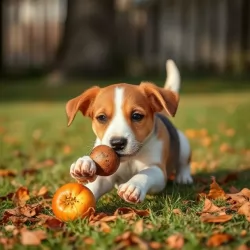
 The Bagel Hound is a medium-sized, affectionate hybrid breed resulting from the cross between the Beagle and the Basset Hound. With a sturdy, muscular body and a short, dense coat, this breed combines the best features of its parents.
Typically, a Bagel Hound has a short to medium-length coat that can come in a variety of colors, including tri-color (black, white, and tan), bi-color, or combinations of tan, white, and black. Their face is expressive with long, floppy ears and a soft, gentle gaze, a trait inherited from both parent breeds.
This breed is known for being friendly, affectionate, and playful, making it an excellent companion for families, including those with children or other pets. While generally calm, they do have a stubborn streak due to their strong scenting instincts, so consistent training is important. Despite their playful nature, they are not overly energetic and are typically content with moderate exercise, such as daily walks and playtime.
The Bagel Hound has a balanced temperament—loyal, loving, and a little mischievous—which makes them a popular choice for families and first-time dog owners who are willing to invest in training and care.
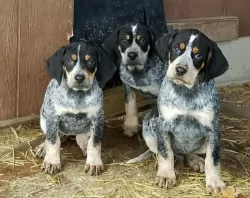
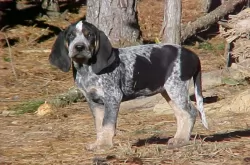 This is a medium to large dog that sports a dark blue and white coat which is densely mottled or ticked. The Bluetick Coonhound’s coat can be described as tri-colored, and the dog’s head and ears are essentially black. He can also have tan markings on the chest, below the tail, around the muzzle and over the eyes. The dog is muscular and athletic and weighs from 25 to 36kg. Typically of the Hound breed, he has a sad but amicable expression on his face.
The Bluetick Coonhound is an intelligent dog and once he has been trained and socialized, he becomes a wonderful member of the family, getting on well with children and other pets He will need plenty of companionship from his human family as well as exercise, and isn’t a dog that you can just have stuck away in your back garden. A Bluetick needs plenty of companionship and activity to be happy.
Friendly and social, this is a vocal dog, given to baying, barking and howling. He’s a scenthound, so when you take him for a walk, which is essential for his exercise needs, you may need him on a leash as he can get scent of something and just be off. You’ll also need to ensure you have a fenced yard as he looks for ways to get out to follow a scent.
 The Bagel Hound is a friendly, affectionate, and playful breed, combining the best traits of its Beagle and Basset Hound parents. They are medium-sized with a sturdy, muscular build, and a short, dense coat. Bagel Hounds are social and enjoy being around people, often following their owners around and seeking attention. They have a gentle, patient nature, making them great with children and other pets.
While they are generally calm, they are also curious and scent-driven, which can make them a bit stubborn and prone to distractions. Their affectionate personality and loyal nature make them great companions, though they benefit from consistent training and exercise.
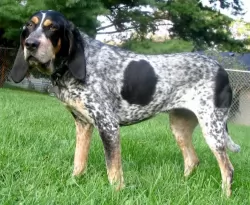 The Bluetick Coonhound is an affectionate dog who will do well in the country, although he will adapt to city dwelling too. Wherever he is, he will need plenty of activities to keep him busy.
People living on smaller properties may have reservations about keeping one, as his bark is loud and long winded, whereas a larger property would accommodate this characteristic better.
Your Bluetick can make a wonderful pet if he is trained and socialized. He is just like a big teddy bear who wants to be part of the family and receive his full portion of love and care like everyone else.
 A common genetic condition where the hip joint doesn't fit properly, causing pain and potential arthritis. It can lead to limping or difficulty moving, especially as the dog ages.
The Bagel Hound’s long, floppy ears trap moisture and debris, making them more susceptible to infections. Regular ear cleaning and keeping ears dry can help prevent this issue.
Bagel Hounds love food, and without proper portion control and exercise, they can easily gain weight. Obesity can lead to other health problems like heart disease, joint issues, and reduced life expectancy. Regular exercise and a balanced diet are essential to keep them at a healthy weight.
 You won’t battle with too many vet’s fees for your Bluetick Coonhound as he is a healthy breed. Just like with other dogs, especially in larger dogs, watch out for hip and elbow dysplasia.
If you do research you’ll find that quite a few Coonhounds can be affected. It is when the hip or elbow socket is malformed. Check your pet because it can lead to painful arthritis and can cause lameness.
Typical of Hounds, your Bluetick Coonhounds loves to eat, and this is precisely why he is prone to over-eating if you allow him to. Watch your dog’s weight and don’t allow him to overeat as overeating suppresses the immune system, resulting in illness.
 Daily walks help keep them fit, while interactive play sessions like fetch offer mental and physical stimulation. Avoid overexerting them, especially in hot weather, to prevent exhaustion.
Provide a balanced diet with portion control to maintain a healthy weight. Brush their coat weekly to manage shedding, and clean their ears regularly to avoid infections.
Use positive reinforcement during training for best results. Regular vet check-ups ensure they stay healthy, and keeping an eye on their weight helps prevent obesity.
 The puppy Bluetick will require 4 meals a day. Your adult Bluetick will require one or two bowls of food a day. This food can be your own home-made brand which includes rice, meat and vegetables or it should be a high quality commercially manufactured dog food. If you’re in any doubt as to what kind of dog food to be providing for your Bluetick Coonhound, rather speak to your vet as you want to ensure your pet is getting in his vitamins and minerals.
Good nutrition is essential to the health and wellbeing of your dog. It is important that he receive raw meat in his diet from time to time as well as a supplement with essential fatty acids to keep his health and skin in tip top condition. He should never ever be without a steady source of fresh, cool water.
When it comes to grooming, an occasional brushing will suffice. The dog has a short coat but it is dense and it sheds throughout the year. Use a brush on him to get rid of loose hairs and to keep his coat soft and shiny.
Active Hound breeds are prone to ticks and fleas so check your dog regularly for these parasites.
The medium length floppy ears will need to be checked. You can always check with your veterinarian for ear cleaning products and how to use them. Never prod around in your dog’s ears, trying to clean them, as this can lead to damage.