 MyDogBreeds
 Bagel Hound is originated from United States but Australian Bulldog is originated from Australia. Bagel Hound may grow 7 cm / 2 inches shorter than Australian Bulldog. Bagel Hound may weigh 8 kg / 17 pounds lesser than Australian Bulldog. Bagel Hound may live 3 years more than Australian Bulldog. Both Bagel Hound and Australian Bulldog has same litter size. Bagel Hound requires Low maintenance. But Australian Bulldog requires Moderate maintenance
 The Bagel Hound is a hybrid breed that emerged in the early 2000s by crossing the Beagle and Basset Hound. Both parent breeds have ancient origins—Beagles were bred for hunting small game with their exceptional sense of smell, while Basset Hounds, with their calm demeanor and powerful scenting ability, were also used for hunting.
The Bagel Hound was developed to combine the Beagle’s playful, energetic nature with the Basset Hound’s laid-back, affectionate temperament. Though relatively new, this hybrid quickly became popular for its friendly disposition, moderate energy, and suitability as a family companion.
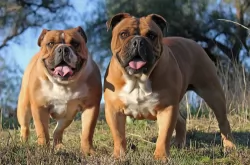
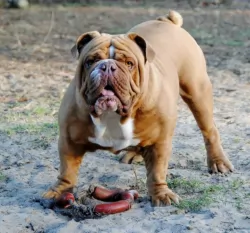 The Australian Bulldog was bred from several breeds: The Bullmastiff, English bulldog, the English Staffordshire Bull Terrier and the Boxer. You will notice that his appearance is quite similar to the English bulldog, but this breed has a less-squished muzzle, fewer wrinkles and longer legs. They have great strength with a good thickness of the bone. They are solid and compact breed with good muscle tone.
The head structure of an Aussie Bulldog is one of its main attributes. It is very strong, square shaped with depth and width of muzzle less than a general bulldog. They have some wrinkle across the nose. Eyes are wide apart, large and clean. The jaw is wide and square, with strong teeth.
The name Australian Bulldog was given by Noel and Tina Green, the founders of the breed. They introduced Australian Bulldog to the public in 1998.
 The Bagel Hound is a medium-sized, affectionate hybrid breed resulting from the cross between the Beagle and the Basset Hound. With a sturdy, muscular body and a short, dense coat, this breed combines the best features of its parents.
Typically, a Bagel Hound has a short to medium-length coat that can come in a variety of colors, including tri-color (black, white, and tan), bi-color, or combinations of tan, white, and black. Their face is expressive with long, floppy ears and a soft, gentle gaze, a trait inherited from both parent breeds.
This breed is known for being friendly, affectionate, and playful, making it an excellent companion for families, including those with children or other pets. While generally calm, they do have a stubborn streak due to their strong scenting instincts, so consistent training is important. Despite their playful nature, they are not overly energetic and are typically content with moderate exercise, such as daily walks and playtime.
The Bagel Hound has a balanced temperament—loyal, loving, and a little mischievous—which makes them a popular choice for families and first-time dog owners who are willing to invest in training and care.
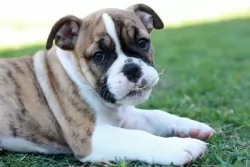 Australian bulldogs can be very good companions considering their natural loyalty. They just love to interact with humans and they are rarely aggressive.
They can be taught to be excellent watchdogs. The perfect place to raise this breed would be a house with a yard. The Australian Bulldog is usually dominant toward other dogs in its territory but, with proper training and early socialization, you can teach them to get along with other dogs and pets.
No matter if you are an active single, or you plan to bring an Australian bulldog puppy into the big family, as long as you are caring and loving toward him, he will be an amazing pet.
The Australian Bulldog is not recommended for apartment life. But, you can teach him to live in the smaller space if you tend to respect his daily need for activity. This breed is an indoor dog, and should not be left outside all day in a kennel. The best advice is to raise them in temperate climates since they can’t bear the extreme heat or extreme cold.
 The Bagel Hound is a friendly, affectionate, and playful breed, combining the best traits of its Beagle and Basset Hound parents. They are medium-sized with a sturdy, muscular build, and a short, dense coat. Bagel Hounds are social and enjoy being around people, often following their owners around and seeking attention. They have a gentle, patient nature, making them great with children and other pets.
While they are generally calm, they are also curious and scent-driven, which can make them a bit stubborn and prone to distractions. Their affectionate personality and loyal nature make them great companions, though they benefit from consistent training and exercise.
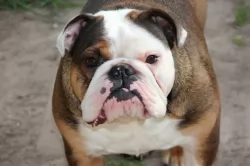 Australian Bulldog is a breed that will protect their family. They are great during the playtime with children as well. If you don’t have children, make sure you socialize your dog with children while he is still young.
They are extremely intelligent. You can teach you Australian Bulldog almost everything in a very short time.
early socialization is a must with the Australian Bulldog.
you should start to train your Australian Bulldog as soon as possible. Positive reinforcement-based training methods are the ones you need to master in order to raise a good Australian Bulldog. They will be trained easily if there is a firm, consistent hand in training and they need leadership role from their owners. They can be taught very easy to be obedient and they love playing games like Frisbee, catch, water activities (but they swim very rarely because of their big and heavy chests), exploring the nature.
 A common genetic condition where the hip joint doesn't fit properly, causing pain and potential arthritis. It can lead to limping or difficulty moving, especially as the dog ages.
The Bagel Hound’s long, floppy ears trap moisture and debris, making them more susceptible to infections. Regular ear cleaning and keeping ears dry can help prevent this issue.
Bagel Hounds love food, and without proper portion control and exercise, they can easily gain weight. Obesity can lead to other health problems like heart disease, joint issues, and reduced life expectancy. Regular exercise and a balanced diet are essential to keep them at a healthy weight.
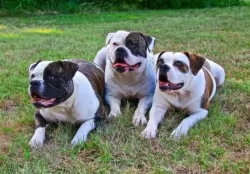 Australian Bulldog has better health than the English bulldog and its health continues to improve with each generation.
The pushed-in face causes harder breathing. Be aware that they can’t use the air to cool itself off as quickly as necessary. During the extreme heat, Australian Bulldogs can develop heat stroke and die from it.
Take special care of the wrinkles on their nose. They will require everyday care since wrinkles need to be cleaned and kept dry to prevent the skin infection. Bath the dog only when it is necessary because of too much bathing with soap damages the natural oils in its skin.
The Australian Bulldog, on average, is fed two times a day. They have the high risk of obesity, so there is no real need for more than two meals. Make sure to choose a premium quality food and to feed the dog according to the instructions. Also, they need lots of fresh water since they will be super active pet.
 Daily walks help keep them fit, while interactive play sessions like fetch offer mental and physical stimulation. Avoid overexerting them, especially in hot weather, to prevent exhaustion.
Provide a balanced diet with portion control to maintain a healthy weight. Brush their coat weekly to manage shedding, and clean their ears regularly to avoid infections.
Use positive reinforcement during training for best results. Regular vet check-ups ensure they stay healthy, and keeping an eye on their weight helps prevent obesity.
 Feeding the puppy and adult: high-quality dog food for active dogs is a must. Do not overfeed them. If you are not sure about the amount of food your dog really needs, please consult a vet.
The Australian Bulldog needs minimal grooming. They should be brushed at least once a week using a firm bristled brush. They shed a moderate amount on a regular basis so there will be loose hair to deal with. Make sure to clip the nails when necessary. They will need a tooth brushing two times a week and checking and wiping its ears once a week.
Points for Good Health: every day long walks, plenty of exercises, special skin care and regular vet check-ups.