 MyDogBreeds
 Bagel Hound is originated from United States but Bandog is originated from United Kingdom. Bagel Hound may grow 33 cm / 12 inches shorter than Bandog. Bagel Hound may weigh 30 kg / 66 pounds lesser than Bandog. Bagel Hound may live 3 years more than Bandog. Bagel Hound may have more litter size than Bandog. Bagel Hound requires Low maintenance. But Bandog requires Moderate maintenance
 The Bagel Hound is a hybrid breed that emerged in the early 2000s by crossing the Beagle and Basset Hound. Both parent breeds have ancient origins—Beagles were bred for hunting small game with their exceptional sense of smell, while Basset Hounds, with their calm demeanor and powerful scenting ability, were also used for hunting.
The Bagel Hound was developed to combine the Beagle’s playful, energetic nature with the Basset Hound’s laid-back, affectionate temperament. Though relatively new, this hybrid quickly became popular for its friendly disposition, moderate energy, and suitability as a family companion.
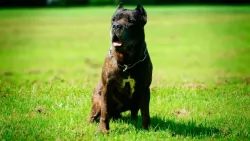 The original Bandogs were bred for guarding and protecting. It is believed that the dogs were developed from eastern shepherds, the American Pit Bull Terrier and Mastiffs and crossed with western Bullenbeissers and hounds, and it is thought that the hybrid breed came into existence way back, around 1250-1300 in Middle England.
Although it isn’t possible to say exactly how the Bandog originated, it is certain that the dogs were bred with a functional purpose – to guard and protect. In fact in the late 1960s a veterinarian by the name of Swinford started a breeding program, even though breeders of Bandogges disagree on the breeds that went into Swinford's original breeding scheme. It is believed to have been 50% American Pit Bull Terrier and 50% molosser.
 The Bagel Hound is a medium-sized, affectionate hybrid breed resulting from the cross between the Beagle and the Basset Hound. With a sturdy, muscular body and a short, dense coat, this breed combines the best features of its parents.
Typically, a Bagel Hound has a short to medium-length coat that can come in a variety of colors, including tri-color (black, white, and tan), bi-color, or combinations of tan, white, and black. Their face is expressive with long, floppy ears and a soft, gentle gaze, a trait inherited from both parent breeds.
This breed is known for being friendly, affectionate, and playful, making it an excellent companion for families, including those with children or other pets. While generally calm, they do have a stubborn streak due to their strong scenting instincts, so consistent training is important. Despite their playful nature, they are not overly energetic and are typically content with moderate exercise, such as daily walks and playtime.
The Bagel Hound has a balanced temperament—loyal, loving, and a little mischievous—which makes them a popular choice for families and first-time dog owners who are willing to invest in training and care.
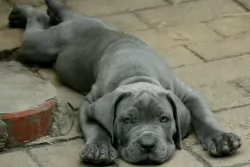 The Bandog is a powerful, stocky, muscular dog with small, upright ears. His tail is long and tapered, but most people prefer to have the tail docked. With his broad skull, wide shoulders and powerful chest, he is also confident and intelligent. He is a rugged dog, heavily boned and muscled, and quite aggressive when provoked. This characteristic comes from the intentional breeding to combine the courage and tenacity of an American Pit Bull Terrier with the size of the Bull Mastiff and its guarding instincts.
Even though the breed has a history of competitive fighting, today when he is trained and socialized he can be a devoted, controlled and amicable family pet, even getting on well with children and being social and affectionate with his human family members. They can be aggressive with strangers, more so if provoked or threatened by them.
Bandogges are able to get along with other animals in the home if they are raised with them, but can be aggressive with pets they aren’t familiar with. You won’t find a better guard dog and with his low barking tendencies, he quietly watches, waiting to go for any intruders.
 The Bagel Hound is a friendly, affectionate, and playful breed, combining the best traits of its Beagle and Basset Hound parents. They are medium-sized with a sturdy, muscular build, and a short, dense coat. Bagel Hounds are social and enjoy being around people, often following their owners around and seeking attention. They have a gentle, patient nature, making them great with children and other pets.
While they are generally calm, they are also curious and scent-driven, which can make them a bit stubborn and prone to distractions. Their affectionate personality and loyal nature make them great companions, though they benefit from consistent training and exercise.
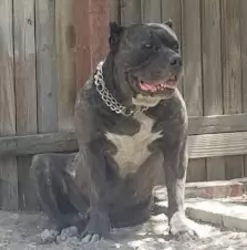 This is certainly an intimidating looking breed, having been developed from a variety of stock breeds, Because of this, there isn’t a standard set for the dog and his appearance can vary. He isn’t recommended for first-time dog owners, because he is quite complex – being both docile and aggressive – not your regular dog. He will certainly require an owner who shows them who is boss.
The Bandog may well have a reputation of being a fighter, but once he has had training and socialization, he turns out to be just a gentle giant. With a strong, firm owner, he is good with children too and becomes a devoted guardian to the entire family.
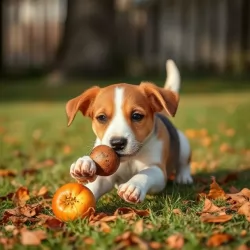 A common genetic condition where the hip joint doesn't fit properly, causing pain and potential arthritis. It can lead to limping or difficulty moving, especially as the dog ages.
The Bagel Hound’s long, floppy ears trap moisture and debris, making them more susceptible to infections. Regular ear cleaning and keeping ears dry can help prevent this issue.
Bagel Hounds love food, and without proper portion control and exercise, they can easily gain weight. Obesity can lead to other health problems like heart disease, joint issues, and reduced life expectancy. Regular exercise and a balanced diet are essential to keep them at a healthy weight.
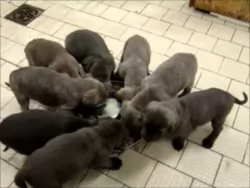 Your Bandog is generally a robust, healthy breed, but he may well be prone to health concerns. Some of these are hip and elbow dysplasia and Bloat
This is an abnormal formation of the hip socket that can, if left unattended, lead to lameness and painful arthritis of the joints. eye problems.
His size and his deep chest also mean he is prone to bloat. Known as gastric dilatation and volvulus, this isn’t good for your dog as the stomach becomes distended with gas, putting pressure on the diaphragm, which can cause breathing problems.
Just because your Bandog is a healthy breed, it doesn’t mean your puppy is immune from his puppy shots. Your puppy will need his first vaccinations from 6 to 8 weeks of age for parvovirus, distemper, rabies and hepatitis.
Check your country’s vaccination regulations, because in the United States, most states require that all dogs be vaccinated against rabies.
 Daily walks help keep them fit, while interactive play sessions like fetch offer mental and physical stimulation. Avoid overexerting them, especially in hot weather, to prevent exhaustion.
Provide a balanced diet with portion control to maintain a healthy weight. Brush their coat weekly to manage shedding, and clean their ears regularly to avoid infections.
Use positive reinforcement during training for best results. Regular vet check-ups ensure they stay healthy, and keeping an eye on their weight helps prevent obesity.
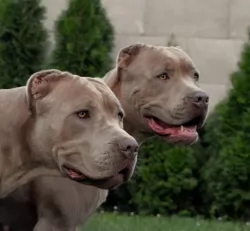 These large, short-haired dogs have a short coat and they are easy to groom. Remove loose hair with a rubber brush twice a week. The breed is an average shedder and if you start regular brushing from when he is a young dog, he will be happy to let you do it as an adult. Check his ears and eyes regularly and clip his toe nails.
The Bandog is an energetic breed that will require a good deal of exercise. This is one breed you can’t leave alone in your garden day after day. He will require games and walks to avoid boredom and frustration.
The Bandog puppy will grow and develop quickly, so his diet should be good quality dog food. He is big and thirsty and there must be a ready source of clean drinking water. Because he is inclined to drool, his water bowl will need to be cleaned out regularly to avoid him drinking contaminated water.