 MyDogBreeds
 Bagel Hound is originated from United States but Basset Artesien Normand is originated from France. Bagel Hound may grow 7 cm / 3 inches higher than Basset Artesien Normand. Bagel Hound may weigh 7 kg / 16 pounds more than Basset Artesien Normand. Both Bagel Hound and Basset Artesien Normand has same life span. Both Bagel Hound and Basset Artesien Normand has almost same litter size. Both Bagel Hound and Basset Artesien Normand requires Low maintenance.
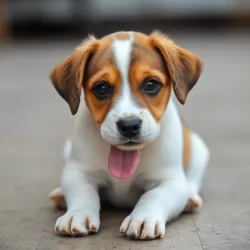 The Bagel Hound is a hybrid breed that emerged in the early 2000s by crossing the Beagle and Basset Hound. Both parent breeds have ancient origins—Beagles were bred for hunting small game with their exceptional sense of smell, while Basset Hounds, with their calm demeanor and powerful scenting ability, were also used for hunting.
The Bagel Hound was developed to combine the Beagle’s playful, energetic nature with the Basset Hound’s laid-back, affectionate temperament. Though relatively new, this hybrid quickly became popular for its friendly disposition, moderate energy, and suitability as a family companion.
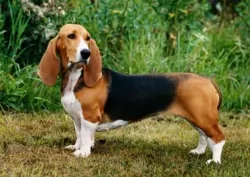 The Basset Artesien Normand hails from Normandy, France. He was bred around the middle ages and was a popular breed with the royalty of France when they met for hunting with hounds. How the Basset was developed isn’t known, but in the 1800s the dog’s popularity grew, and Napoleon himself was a fan. With some people wanting hunting skills in their dog, others good looks and some wanting a heavier dog, the Basset Artesien Normand or the BAN emerged.
Some people believe that the Basset came from a mix of French hounds crossed with smallish breeds such as Beagles and Dashshunds.The truth is that the Basset’s origin is up for debate, but the Basset Artesian Normand took over in popularity from the Basset Normand and the Basset Chien d’Artois. These dogs are now extinct.
The first record of Bassets in America came from the 1700’s when a number of Bassets were presented to George Washington as gifts. It is uncertain what type of Bassets they were, but quite likely they were Basset Artesian Normands. The breed club was established in 1910 and given its present name in 1924. The dog is also recognized by the United Kennel Club in the Scenthound group.
 The Bagel Hound is a medium-sized, affectionate hybrid breed resulting from the cross between the Beagle and the Basset Hound. With a sturdy, muscular body and a short, dense coat, this breed combines the best features of its parents.
Typically, a Bagel Hound has a short to medium-length coat that can come in a variety of colors, including tri-color (black, white, and tan), bi-color, or combinations of tan, white, and black. Their face is expressive with long, floppy ears and a soft, gentle gaze, a trait inherited from both parent breeds.
This breed is known for being friendly, affectionate, and playful, making it an excellent companion for families, including those with children or other pets. While generally calm, they do have a stubborn streak due to their strong scenting instincts, so consistent training is important. Despite their playful nature, they are not overly energetic and are typically content with moderate exercise, such as daily walks and playtime.
The Bagel Hound has a balanced temperament—loyal, loving, and a little mischievous—which makes them a popular choice for families and first-time dog owners who are willing to invest in training and care.
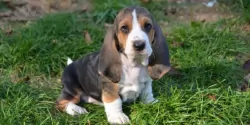 The BAN is a small to medium sized dog, between 30 and 36 cm and weighing anything up to 20kg. He is low maintenance in terms of his short coat which is tri-colored – fawn, white with a black patch across the back. He has a long tail which is often held in an upright position. You can’t miss those long ears, which are a distinctive feature of this gentle, good-natured dog and which are low-set on the head. Add to that the dark, soulful eyes and you get a look that ‘wouldn’t hurt a fly.’
The BAN is very similar to the regular Basset Hound but he is much slimmer. This is also because although he is a companion, he was at first a hunting canine, and is fit and muscular when fed the correct diet.
The Basset Artesien Normand is a friendly, affectionate dog, becoming a beloved pet of the family that he loves to be with. His gentle nature means that he won’t score high as a guard dog. He is gentle and affectionate with children in the home, and with some training and socialization he gets on well with other pets in the family. They’re fairly intelligent and you’ll be able to train him to carry out some important commands. As a hound, he tends to want to wander, and it is always a good idea to have him on a leash when out and about with him.
This breed of dog will need a good amount of exercise and other activities, even if it means climbing onto the couch and watching a movie with you. He can’t be left in the garden day after day on his own, and you’ll need to take him on daily walks and give him a game. Exercise is of particular importance for a dog like this, as he can easily put on weight and battle with back problems.
 The Bagel Hound is a friendly, affectionate, and playful breed, combining the best traits of its Beagle and Basset Hound parents. They are medium-sized with a sturdy, muscular build, and a short, dense coat. Bagel Hounds are social and enjoy being around people, often following their owners around and seeking attention. They have a gentle, patient nature, making them great with children and other pets.
While they are generally calm, they are also curious and scent-driven, which can make them a bit stubborn and prone to distractions. Their affectionate personality and loyal nature make them great companions, though they benefit from consistent training and exercise.
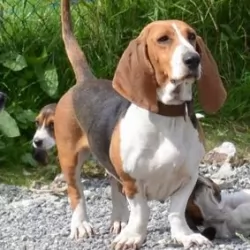 The Basset Artesien Normand is such a family friend with his docile personality. Short of stature, he has a keen sense of smell, much like the Bloodhound. With his short, smooth coat, he won’t require much from you in terms of grooming. His long ears, his sad eyes and his outward turned paws are all characteristics which endear him to dog lovers.
He doesn’t like to be left alone. This Basset is yours and he wants to be part of all the action in the house, and that includes meals. He has a hearty appetite, but you don’t want to be feeding him your scraps as he can put on weight quickly. This won’t be good for his health, and as a responsible pet owner, you need to be watching his weight.
Don’t forget his daily walk that he loves so much. Treat him with love and kindness and you’ll have yourself a happy, good-natured companion.
 A common genetic condition where the hip joint doesn't fit properly, causing pain and potential arthritis. It can lead to limping or difficulty moving, especially as the dog ages.
The Bagel Hound’s long, floppy ears trap moisture and debris, making them more susceptible to infections. Regular ear cleaning and keeping ears dry can help prevent this issue.
Bagel Hounds love food, and without proper portion control and exercise, they can easily gain weight. Obesity can lead to other health problems like heart disease, joint issues, and reduced life expectancy. Regular exercise and a balanced diet are essential to keep them at a healthy weight.
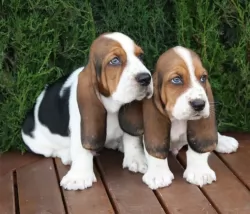 The Basset Artesian Normand is a fairly healthy breed and you can expect him to reach 15 years, although you have to bear in mind that this breed is susceptible to some common health defects. As already mentioned, these long-bodied, short-legged dogs are prone to back problems. Weight gain is common in these dogs and additional weight will aggravate your dog’s back problems.
While hip dysplasia is a genetic disease found more commonly in large dog breeds, it can also affect smaller breeds like the Basset. Your dog may develop a different way of walking and running and he may even resist movement as he can experience stiffness and pain in the rear legs. Hip dysplasia is mostly an inherited condition. Proper diet and exercise can help with preventing the disease.
 Daily walks help keep them fit, while interactive play sessions like fetch offer mental and physical stimulation. Avoid overexerting them, especially in hot weather, to prevent exhaustion.
Provide a balanced diet with portion control to maintain a healthy weight. Brush their coat weekly to manage shedding, and clean their ears regularly to avoid infections.
Use positive reinforcement during training for best results. Regular vet check-ups ensure they stay healthy, and keeping an eye on their weight helps prevent obesity.
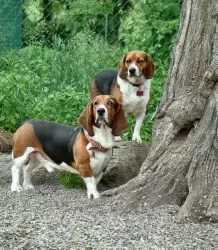 The Basset Artesian Normand has a short, smooth coat and this will ensure that he is low maintenance. A regular brush twice a week will ensure you get rid of loose hairs.
Ear Infections - as is the case with long eared dogs, the Basset Artesian Normand is susceptible to ear infections. Check with your vet if you aren’t sure how to clean your dog’s ears so that you can prevent ear infections.
Brush your dog’s teeth about 2 or 3 times a week with special dog toothpaste- and brush. His nails will also need to be clipped regularly, more so if he doesn’t get to run on hard surfaces which wear the claws down.
You can speak to your veterinarian about wet- and dry dog foods and which type of food would suit your pet best. The type of food you give him, his age and his activity levels will be a guide on how to choose his food. Always make sure that a bowl of fresh, cool water is readily available to your 4-legged friend.