 MyDogBreeds
 Bagel Hound is originated from United States but Bichonpoo is originated from Australia. Bagel Hound may grow 8 cm / 4 inches higher than Bichonpoo. Bagel Hound may weigh 19 kg / 42 pounds more than Bichonpoo. Both Bagel Hound and Bichonpoo has same life span. Bagel Hound may have more litter size than Bichonpoo. Bagel Hound requires Low maintenance. But Bichonpoo requires High maintenance
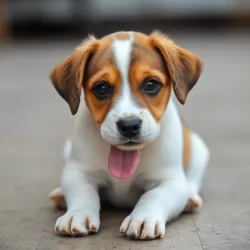 The Bagel Hound is a hybrid breed that emerged in the early 2000s by crossing the Beagle and Basset Hound. Both parent breeds have ancient origins—Beagles were bred for hunting small game with their exceptional sense of smell, while Basset Hounds, with their calm demeanor and powerful scenting ability, were also used for hunting.
The Bagel Hound was developed to combine the Beagle’s playful, energetic nature with the Basset Hound’s laid-back, affectionate temperament. Though relatively new, this hybrid quickly became popular for its friendly disposition, moderate energy, and suitability as a family companion.
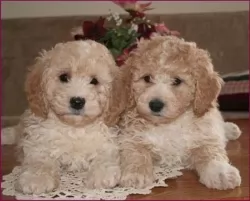
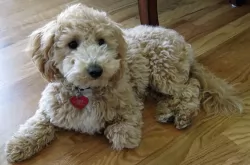 This popular little dog was developed by crossing the Poodle with the Bichon Frise to create the Bichonpoo. They are also called the Poochon and sometimes called the Birchpoo. They are a soft, curly breed and they are extremely cute – a very cuddly breed. They are not recognized by the AKC, CKC or the UKC. Some other kennel clubs do accept them and welcome them into obedience and agility trials. The breed was originally developed in Australia as a household pet for those who want a “curly lap dog” that was hypoallergenic, did not shed and had a great temperament for life in families with children. They were first developed in the latter part of the 20th century.
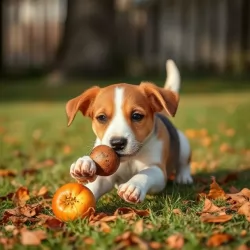
 The Bagel Hound is a medium-sized, affectionate hybrid breed resulting from the cross between the Beagle and the Basset Hound. With a sturdy, muscular body and a short, dense coat, this breed combines the best features of its parents.
Typically, a Bagel Hound has a short to medium-length coat that can come in a variety of colors, including tri-color (black, white, and tan), bi-color, or combinations of tan, white, and black. Their face is expressive with long, floppy ears and a soft, gentle gaze, a trait inherited from both parent breeds.
This breed is known for being friendly, affectionate, and playful, making it an excellent companion for families, including those with children or other pets. While generally calm, they do have a stubborn streak due to their strong scenting instincts, so consistent training is important. Despite their playful nature, they are not overly energetic and are typically content with moderate exercise, such as daily walks and playtime.
The Bagel Hound has a balanced temperament—loyal, loving, and a little mischievous—which makes them a popular choice for families and first-time dog owners who are willing to invest in training and care.
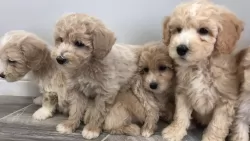
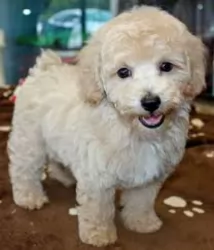 This Bichon Frise-Poodle cross is a small dog with big personality. The original hybrid is 50% Poodle and 50% Bichon Frise. This is considered a first-generation hybrid. The second-generation hybrid is 50% Bichonpoo and 50% purebred Bichon Frise or Poodle. Then third generation hybrids are a cross between two second generation dogs. There is no fourth generation and most breeders do not offer even a third generation. The original hybrid can be healthier than the parents, but any flaws tend to show up in 2nd generation hybrids and it gets worse with third generation. This dog should be hardy, well-proportioned and robust. They are small, sweet and sturdy. Because there are three different sizes of Poodles, there can be three different sizes of the Bichon Poo – Standard, Mini and Toy.
 The Bagel Hound is a friendly, affectionate, and playful breed, combining the best traits of its Beagle and Basset Hound parents. They are medium-sized with a sturdy, muscular build, and a short, dense coat. Bagel Hounds are social and enjoy being around people, often following their owners around and seeking attention. They have a gentle, patient nature, making them great with children and other pets.
While they are generally calm, they are also curious and scent-driven, which can make them a bit stubborn and prone to distractions. Their affectionate personality and loyal nature make them great companions, though they benefit from consistent training and exercise.
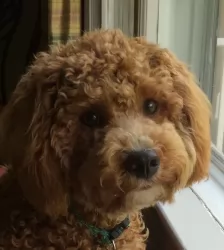 The Bichonpoo is affectionate, intelligent and active just as you might expect from a Poodle/Bichon Frise cross. He loves people and lives well with other animals. He is particularly fond of children and loves to play with gentle older children. However, the temperament and characteristics of the hybrid are not as predictable as their parents. The characteristics of the Bichonpoo depends upon its lineage – if it is first generation, second generation or third generation. With each successive generation there is less predictability in the characteristics of the individual dog. Regardless of generation, the Bichonpoo will need exercise and mental stimulation. They are loving, good-natured and accommodating to their environment. They want to be with their owner and can get very attached.
Depending on their parents they can be anxious and high strung like the Poodle or nippiness and ‘small dog syndrome’ of the Bichon Frise. Separation anxiety can be a major issue with this breed. Do not let your Bichonpoo become dominate in your home or they will assume the alpha position and become very bossy, especially with children. He is easy to train and a good watchdog as well.
 A common genetic condition where the hip joint doesn't fit properly, causing pain and potential arthritis. It can lead to limping or difficulty moving, especially as the dog ages.
The Bagel Hound’s long, floppy ears trap moisture and debris, making them more susceptible to infections. Regular ear cleaning and keeping ears dry can help prevent this issue.
Bagel Hounds love food, and without proper portion control and exercise, they can easily gain weight. Obesity can lead to other health problems like heart disease, joint issues, and reduced life expectancy. Regular exercise and a balanced diet are essential to keep them at a healthy weight.
 The Bichonpoo is usually healthier than either the Poodle or the Bichon Frise. At the same time, they could inherit any of health concerns of either of their parents in the first generation Bichonpoo. They are however likely to develop ear infections and skin allergies. Cleaning and grooming is essential, especially the ears, but also to prevent matting which could lead to skin infections.
 Daily walks help keep them fit, while interactive play sessions like fetch offer mental and physical stimulation. Avoid overexerting them, especially in hot weather, to prevent exhaustion.
Provide a balanced diet with portion control to maintain a healthy weight. Brush their coat weekly to manage shedding, and clean their ears regularly to avoid infections.
Use positive reinforcement during training for best results. Regular vet check-ups ensure they stay healthy, and keeping an eye on their weight helps prevent obesity.
 The Bichonpoo is an energetic little dog and needs enough nutrition to keep up with his needs. Feed a Bichonpoo at least twice a day – small meals- and dry food because of dental issues. A high-quality food will help to prevent allegories.
The Bichonpoo is the product of the poodle who is prone to bloat and Addison’s Disease and the Bichon Frise who is susceptible to Patella luxation, progressive retinal atrophy and liver shunts. The first generation Bichonpoo should be free of these health concerns. You should be aware that there is a possibility that the first-generation hybrid could contract any of its parents’ illnesses or deficiencies.
This hybrid is a high energy dog and needs daily exercise in the form of walks and play. They have the intelligence and skill of the Poodle with the energetic desire to play of the Bichon Frise. They need toys and a person to play with. She will need to be both mentally and physically stimulated. If she gets bored she will become destructive and noisy with barks and whines.