 MyDogBreeds
 Bagel Hound is originated from United States but Bouvier des Flandres is originated from Belgium. Bagel Hound may grow 27 cm / 10 inches shorter than Bouvier des Flandres. Bagel Hound may weigh 25 kg / 55 pounds lesser than Bouvier des Flandres. Bagel Hound may live 3 years more than Bouvier des Flandres. Both Bagel Hound and Bouvier des Flandres has almost same litter size. Bagel Hound requires Low maintenance. But Bouvier des Flandres requires Moderate maintenance
 The Bagel Hound is a hybrid breed that emerged in the early 2000s by crossing the Beagle and Basset Hound. Both parent breeds have ancient origins—Beagles were bred for hunting small game with their exceptional sense of smell, while Basset Hounds, with their calm demeanor and powerful scenting ability, were also used for hunting.
The Bagel Hound was developed to combine the Beagle’s playful, energetic nature with the Basset Hound’s laid-back, affectionate temperament. Though relatively new, this hybrid quickly became popular for its friendly disposition, moderate energy, and suitability as a family companion.
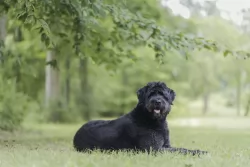 These large dogs have descended from Flemish cattle dogs, and in French, the word Bouvier means herdsman or cattle herder. This is because the dog was used for driving cattle. The Bouvier comes from the Flemish region of Belgium where it was bred as a working farm dog. It is believed that the breed may have come from crossing local farm dogs with imported Irish Wolfhounds, Schnauzers, Tibetan Mastiffs, Brabanters, Griffons and Beaucerons.
It was in 1910 that the first Bouviers appeared at the international dog show in Brussels, with a standard for the breed being adopted in 1912.The American Kennel Club recognized the dog in 1929. It was after World War 11 that Bouviers were brought to America and the American Bouvier des Flandres Club was founded in 1963.
 The Bagel Hound is a medium-sized, affectionate hybrid breed resulting from the cross between the Beagle and the Basset Hound. With a sturdy, muscular body and a short, dense coat, this breed combines the best features of its parents.
Typically, a Bagel Hound has a short to medium-length coat that can come in a variety of colors, including tri-color (black, white, and tan), bi-color, or combinations of tan, white, and black. Their face is expressive with long, floppy ears and a soft, gentle gaze, a trait inherited from both parent breeds.
This breed is known for being friendly, affectionate, and playful, making it an excellent companion for families, including those with children or other pets. While generally calm, they do have a stubborn streak due to their strong scenting instincts, so consistent training is important. Despite their playful nature, they are not overly energetic and are typically content with moderate exercise, such as daily walks and playtime.
The Bagel Hound has a balanced temperament—loyal, loving, and a little mischievous—which makes them a popular choice for families and first-time dog owners who are willing to invest in training and care.
 The Bouvier is a large compact, well built dog with strong muscled limbs. He stands at roughly 59 to 70 cm high at the withers, weighing between 27 and 52 kg. He has a large head with a thick and abundant coat which is of rough appearance. The coat is mostly black, but you’ll also find a range of other shades such as brindle, grey and fawn.
The back of the dog is level and broad, and is typically wider in female dogs. The back legs are strong and muscular. Some Bouvier des Flandres are born tail-less and this is most attractive. Most Bouvier dog owners used to have the tails docked because of the excellent appearance, but with docking now being banned, the tail is kept long. The muzzle is wide, the nose large, the eyes dark brown and the ears high set and floppy.
The Bouvier is intelligent, energetic and full of confidence while being calm and balanced in temperament. The puppies are vocal and full of antics, but as the Bouvier grows into adulthood, he mellows and becomes a steady family friend who gets on well with each human family member. He loves spending time with his family and becomes both friend and guardian, making a good watchdog too.
 The Bagel Hound is a friendly, affectionate, and playful breed, combining the best traits of its Beagle and Basset Hound parents. They are medium-sized with a sturdy, muscular build, and a short, dense coat. Bagel Hounds are social and enjoy being around people, often following their owners around and seeking attention. They have a gentle, patient nature, making them great with children and other pets.
While they are generally calm, they are also curious and scent-driven, which can make them a bit stubborn and prone to distractions. Their affectionate personality and loyal nature make them great companions, though they benefit from consistent training and exercise.
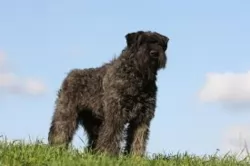 The Bouvier is such an amicable dog and strong and energetic too. He makes the most marvellous companion and will happily adapt to life in the city or in the country, although, with his big size, he is better suited to a home where there is enough space to run around in.
He is loyal, loving and protective and when you make sure to make him an active part of your family, you’ll find in him all the characteristics of a true friend.
 A common genetic condition where the hip joint doesn't fit properly, causing pain and potential arthritis. It can lead to limping or difficulty moving, especially as the dog ages.
The Bagel Hound’s long, floppy ears trap moisture and debris, making them more susceptible to infections. Regular ear cleaning and keeping ears dry can help prevent this issue.
Bagel Hounds love food, and without proper portion control and exercise, they can easily gain weight. Obesity can lead to other health problems like heart disease, joint issues, and reduced life expectancy. Regular exercise and a balanced diet are essential to keep them at a healthy weight.
 The big teddy-bear of a dog is a healthy breed, but as a large dog, you will need to look out for certain health problems with him.
Xrays have been done on many Bouvier des Flandres by the Club and by the Orthopedic Foundation of America and it has been found that a significant percentage of Bouviers were dysplastic. Hip dysplasia is a deformity of the hip joint and many large breed dogs battle with this. It can be very sad for dog lovers as they watch their dog battling to get up after lying down and sometimes lameness in the hind legs.
Dental disease is a common problem in many dogs, and the Bouvier isn’t excluded one bit. If you don’t brush your pet’s teeth with special dog toothpaste and toothbrush, there is tartar build-up which can lead to bad breath and gum infection. Dental disease can lead to pain in the teeth and even the loss of teeth. Bad teeth affect the entire body, and the heart, kidneys and joints can all be negatively affected.
The Bouvier is a large dog prone to obesity. This is a serious disease that can lead to all kinds of digestive disorders, back pain as well as heart disease. It can be easy just to give in to your pet’s pleading eyes, but in the long run, excessive weight can spell a host of health problems.
 Daily walks help keep them fit, while interactive play sessions like fetch offer mental and physical stimulation. Avoid overexerting them, especially in hot weather, to prevent exhaustion.
Provide a balanced diet with portion control to maintain a healthy weight. Brush their coat weekly to manage shedding, and clean their ears regularly to avoid infections.
Use positive reinforcement during training for best results. Regular vet check-ups ensure they stay healthy, and keeping an eye on their weight helps prevent obesity.
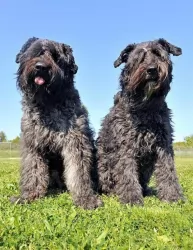 Your Bouvier is an intelligent, independent dog and you will be doing him a favor by having him socialized and trained. He becomes such a pleasure to have around, being obedient and willing to respond to your commands.
Every dog, and particularly large dogs like the Bouvier, should be able to rely on a daily walk, a run in the park or on the farm and have special games from his owner. Not only does participating in activities together build a strong bond between dog and owner, its important to avoid boredom and frustration with your dog. You bought him so you therefore have a responsibility toward him.
Your Bouvier des Flandres has a thick, medium-length coat that gets a shaggy look to it. The breed needs regular brushing every second day or so to get rid of loose hairs and to prevent the hair matting. He will require some professional grooming to look and feel his best. With his thick coat, he is hypoallergenic which can be a relief for allergy sufferers.
The Bouvier has to be on high-quality dog food, whether you give him home-made food or commercially manufactured food. It has to have the right amount of vitamins and minerals. If you’re unsure about feeding a dog, remember that the amount and type of food you give your pet must be appropriate to your dog’s age, size and energy levels.It can also be wise to know which human foods are bad. Speak to your vet about your dog – they are a minefield of useful information about your pet. Fresh, cool water should be be available at all times.