 MyDogBreeds
 Bagel Hound is originated from United States but Braque du Bourbonnais is originated from France. Bagel Hound may grow 14 cm / 5 inches shorter than Braque du Bourbonnais. Both Bagel Hound and Braque du Bourbonnais are having almost same weight. Bagel Hound may live 3 years more than Braque du Bourbonnais. Both Bagel Hound and Braque du Bourbonnais has almost same litter size. Both Bagel Hound and Braque du Bourbonnais requires Low maintenance.
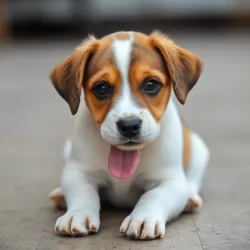 The Bagel Hound is a hybrid breed that emerged in the early 2000s by crossing the Beagle and Basset Hound. Both parent breeds have ancient origins—Beagles were bred for hunting small game with their exceptional sense of smell, while Basset Hounds, with their calm demeanor and powerful scenting ability, were also used for hunting.
The Bagel Hound was developed to combine the Beagle’s playful, energetic nature with the Basset Hound’s laid-back, affectionate temperament. Though relatively new, this hybrid quickly became popular for its friendly disposition, moderate energy, and suitability as a family companion.
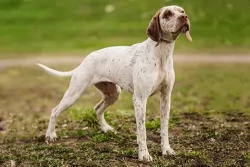 The Braque du Bourbonnais is an ancient breed, seen in the 15th century in France in the province of Bourbonnais. He became extremely popular with hunters by the 1800’s as a good pointer. He has become very popular in the United States and all of North America. There are often more puppies born in the U.S. than in France. The British call this breed the Bourbonnais Pointing Dog.
As with so many European hunting and working dogs, the Braque du Bourbonnais almost disappeared following World War I but was saved by the first breed club, established in 1925. Then following World War II, they were again in danger as the club dissolved and birth rates among the breed decreased drastically.
Actually, there were no dogs at all in the French registry between 1963 and 1973. This was attributed to the fact that the registry put more emphasis on the secondary characteristics such as color, length of tail) instead of the hunting characteristics. Because of this some hunter-breeders vowed to bring the real Braque du Bourbonnais back.
Michel Comte took on this task in 1970 but could not find any dogs with pure Bourbonnais blood. So, he took missed breed with characteristics like the Bourbonnais and inbred several litters until he had a dog he was satisfied with. He registered this dog with the LOF in 1973-75. Seeing this several other breeders got into the act and they successfully brought the breed back.
Michel became president of the new Club du Braque du Bourbonnais in 1981 and remained so until 2001. During this time the breed excelled at field trials and was first sent to the U.S. in 1988. The breed is now thriving in both Europe and North America.
 The Bagel Hound is a medium-sized, affectionate hybrid breed resulting from the cross between the Beagle and the Basset Hound. With a sturdy, muscular body and a short, dense coat, this breed combines the best features of its parents.
Typically, a Bagel Hound has a short to medium-length coat that can come in a variety of colors, including tri-color (black, white, and tan), bi-color, or combinations of tan, white, and black. Their face is expressive with long, floppy ears and a soft, gentle gaze, a trait inherited from both parent breeds.
This breed is known for being friendly, affectionate, and playful, making it an excellent companion for families, including those with children or other pets. While generally calm, they do have a stubborn streak due to their strong scenting instincts, so consistent training is important. Despite their playful nature, they are not overly energetic and are typically content with moderate exercise, such as daily walks and playtime.
The Bagel Hound has a balanced temperament—loyal, loving, and a little mischievous—which makes them a popular choice for families and first-time dog owners who are willing to invest in training and care.
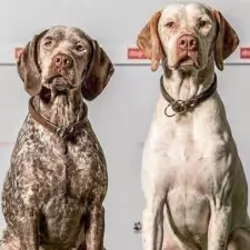
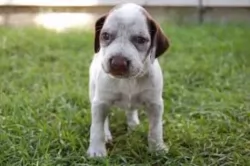 This is an elegant breed with a medium sized, muscular bod and a round head. The nose will be the color of the coat and the muzzle is cone shaped with a wide base. He has large dark or hazel eyes, again depending on the color of the coat. The ears can drop below the throat and the neck is very muscular. He has a deep, wide chest and straight, muscular legs. The coat can come in two colors – liver and fawn – and ticked or spotted. They have a typical short pointer type tail.
 The Bagel Hound is a friendly, affectionate, and playful breed, combining the best traits of its Beagle and Basset Hound parents. They are medium-sized with a sturdy, muscular build, and a short, dense coat. Bagel Hounds are social and enjoy being around people, often following their owners around and seeking attention. They have a gentle, patient nature, making them great with children and other pets.
While they are generally calm, they are also curious and scent-driven, which can make them a bit stubborn and prone to distractions. Their affectionate personality and loyal nature make them great companions, though they benefit from consistent training and exercise.
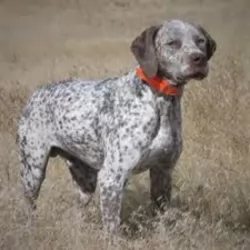 The Braque du Bourbonnais is a gentle, calm dog. He is affectionate and kind when off the job but intelligent, adaptable and serious when hunting. They are intense when learning or hunting and they will learn quickly. They are good with other dogs.
 A common genetic condition where the hip joint doesn't fit properly, causing pain and potential arthritis. It can lead to limping or difficulty moving, especially as the dog ages.
The Bagel Hound’s long, floppy ears trap moisture and debris, making them more susceptible to infections. Regular ear cleaning and keeping ears dry can help prevent this issue.
Bagel Hounds love food, and without proper portion control and exercise, they can easily gain weight. Obesity can lead to other health problems like heart disease, joint issues, and reduced life expectancy. Regular exercise and a balanced diet are essential to keep them at a healthy weight.
 Entropion - both of these are issues with eyelashes turning inward or outward and both can
 Daily walks help keep them fit, while interactive play sessions like fetch offer mental and physical stimulation. Avoid overexerting them, especially in hot weather, to prevent exhaustion.
Provide a balanced diet with portion control to maintain a healthy weight. Brush their coat weekly to manage shedding, and clean their ears regularly to avoid infections.
Use positive reinforcement during training for best results. Regular vet check-ups ensure they stay healthy, and keeping an eye on their weight helps prevent obesity.
 This breed is prone to weight gain and obesity. Be careful not to overfeed them. Don’t free feed them but give them 2-3 smaller meals per day.
Entropion - both of these are issues with eyelashes turning inward or outward and both can
Pulmonic Stenosis of the heart- minor will have no symptoms but eventually the heart will not be able to function efficiently and could lead to congestive heart failure.
The Braque du Bourbonnais needs at least a minimum amount of exercise daily , especially if he is not used for hunting. A fenced backyard for playtime would be perfect but long walks will work. He likes to learn tricks, play ball or hide and seek. Outside activities could include hiking, swimming, agility, retrieving, rally and obedience trials, along with the usual field trials.