 MyDogBreeds
 Bagel Hound is originated from United States but Braque Saint-Germain is originated from France. Bagel Hound may grow 19 cm / 7 inches shorter than Braque Saint-Germain. Bagel Hound may weigh 8 kg / 17 pounds lesser than Braque Saint-Germain. Both Bagel Hound and Braque Saint-Germain has same life span. Both Bagel Hound and Braque Saint-Germain has same litter size. Both Bagel Hound and Braque Saint-Germain requires Low maintenance.
 The Bagel Hound is a hybrid breed that emerged in the early 2000s by crossing the Beagle and Basset Hound. Both parent breeds have ancient origins—Beagles were bred for hunting small game with their exceptional sense of smell, while Basset Hounds, with their calm demeanor and powerful scenting ability, were also used for hunting.
The Bagel Hound was developed to combine the Beagle’s playful, energetic nature with the Basset Hound’s laid-back, affectionate temperament. Though relatively new, this hybrid quickly became popular for its friendly disposition, moderate energy, and suitability as a family companion.
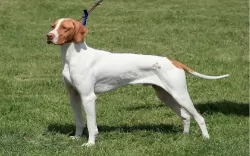 The Braque Saint-Germain, also known as the St. Germain Pointing Dog, is a French creation. The French pointing dogs and the English pointing dogs were mixed to develop the Braque Saint-Germain. He is a versatile hunting dog that was both a pointer and a gun dog. They are medium to large in size and went from being bred by royalty in the 1830’s to a popular everyday hunting dog. The ancestry of the breed can be traced back many additional centuries.
As popular as the Braque Saint-Germain was as a hunter, he gained his notoriety in the show ring. The first time a Braque Saint-Germain entered the ring in 1863 it was an acclaimed breed and upstaged all other pointing breeds. The French Braque Saint-Germain club was opened in 1913 and recognized by the Federation Cynoloqique International (FCI) and in 2006 was recognized by the North American United Kennel Club. Their popularity has risen and fallen since World War II. It has flirted with extinction more than once. Today’s Braque Saint-Germain is a highly talented hunting dog with a standard appearance that still does well in the ring.
The English Pointer was a cross between the hound dogs, British gundog, Spanish Pointer and herding breeds. This made the English Pointer a very versatile breed before it was crossed with the Braque Francais Gascogne. The Braque Francais Gascogne itself is believed to have developed from the Chien d-Oysel and Italian and Spanish pointing dogs. The English Pointer was specialized in pointing and the French Braque Francais Gascogne was a very versatile dog. In the Braque Saint-Germain the dog world has a versatile, excellent pointing dog.
In the 1800’s the French Crown was gifted with two English Pointers that were great at hunting. Some considered the English Pointers to be better than any of their Braque Francais. The female of these two pointers was bred many times but the male died without breeding. The female’s first litter was with a brown German Spaniel and were of low quality. Her second litter however was with an outstanding bird dog and produced 7 excellent puppies. Because of this these two dogs were bred several more times. The owner of the adult dogs moved to Saint-Germain, where their appearance attracted many hunters. The breed flourished here and was named the Braque Saint-Germain.
Soon corrupt individuals sold non-purebreds as Braque Saint-Germains and handlers showed these dogs under the Saint-Germain name. There are always dangers when a popular breed’s beginnings comes from only two dogs. In 1913 the new breed club fought over the standard and ended up producing two types. The first type was a sturdy dog with long ears and a round chest. He was larger and slower than his cousin. The second type was a smaller dog with a finer skeleton and short, high set ears. He was a galloper to his cousin’s trot.
The breed found itself facing near extinction in 1914 and during all of World War I. Dogs were not bred and many were not properly cared for. The breed became quite rare. Then as it began to recover, the Second World War intervened and devasted the breed again. By the end of the war, they were once again very rare and on the edge of extinction. It took a dedicated effort from local breeders to bring the breed back. By the 1950’s the two types of Braque Saint-Germain dogs were molded into only one breed. There remained a conflict between those that bred show dogs and those that bred hunting dogs.
Slowly the breed grew in number and in the late 1990’s there were over 100 puppies registered into the club every year. More than 100 were entered into the clubs in 2009. There have also been a few English Pointer crosses allowed to breed with the Braque Saint-Germains in order to grow and improve the gene pool. Still the breed is exceedingly rare outside of France. Through it all the breed has been able to maintain its place in confirmation and still be a versatile hunting dog.
 The Bagel Hound is a medium-sized, affectionate hybrid breed resulting from the cross between the Beagle and the Basset Hound. With a sturdy, muscular body and a short, dense coat, this breed combines the best features of its parents.
Typically, a Bagel Hound has a short to medium-length coat that can come in a variety of colors, including tri-color (black, white, and tan), bi-color, or combinations of tan, white, and black. Their face is expressive with long, floppy ears and a soft, gentle gaze, a trait inherited from both parent breeds.
This breed is known for being friendly, affectionate, and playful, making it an excellent companion for families, including those with children or other pets. While generally calm, they do have a stubborn streak due to their strong scenting instincts, so consistent training is important. Despite their playful nature, they are not overly energetic and are typically content with moderate exercise, such as daily walks and playtime.
The Bagel Hound has a balanced temperament—loyal, loving, and a little mischievous—which makes them a popular choice for families and first-time dog owners who are willing to invest in training and care.
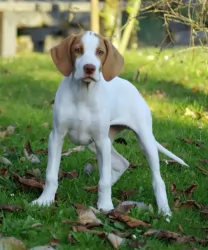 The Braque Saint-Germain is very much a pointer and yet is a very attractive dog. They have a medium build, drop ears and a long, level tail tapered at the end. They are really distinctive looking with an athletic, lean, muscled look. The skull is round and the muzzle is the same length as the skull. Their nose is pink , their lips cover their lower jaw and their eyes are golden, round and large. The ears are set high on the head and look like they are slightly detached. The neck is long, muscular and arched, while they have deep chest. They are well proportioned, good looking dogs with a friendly facial expression. Their coat is true to the pointing dog group as it is short, smooth and white with orange markings. Dogs of any other color might be great hunting dogs but are not show dogs and should not be bred
 The Bagel Hound is a friendly, affectionate, and playful breed, combining the best traits of its Beagle and Basset Hound parents. They are medium-sized with a sturdy, muscular build, and a short, dense coat. Bagel Hounds are social and enjoy being around people, often following their owners around and seeking attention. They have a gentle, patient nature, making them great with children and other pets.
While they are generally calm, they are also curious and scent-driven, which can make them a bit stubborn and prone to distractions. Their affectionate personality and loyal nature make them great companions, though they benefit from consistent training and exercise.
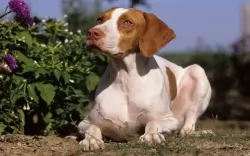 The Braque Saint-Germain is a working dog and a show dog. They are energetic, competitive and driven. They are generally affectionate, loyal and love to cuddle with their people. They need human companionship companionship and can have severe separation anxiety when left by themselves. They love being a member of the family with children, but they are likely to knock very young children down unintentionally.
The Braque Saint-Germain is a loyal, gentle breed and some might even be shy. They are not guard dogs. They are much too friendly toward strangers. Even though they were bred to point and track small game, they can be socialized to be safe living with smaller pets such as cats. They are intelligent, fast learners who love to learn. They also love to work and work long hours without fatigue. They will love to be a jogging or cycling partner.
They do best with large yards, rural areas or in hunting packs. They are not small apartment, city dwellers. They do get along with strangers and other animals. They will warn of strangers, but they are not aggressive.
 A common genetic condition where the hip joint doesn't fit properly, causing pain and potential arthritis. It can lead to limping or difficulty moving, especially as the dog ages.
The Bagel Hound’s long, floppy ears trap moisture and debris, making them more susceptible to infections. Regular ear cleaning and keeping ears dry can help prevent this issue.
Bagel Hounds love food, and without proper portion control and exercise, they can easily gain weight. Obesity can lead to other health problems like heart disease, joint issues, and reduced life expectancy. Regular exercise and a balanced diet are essential to keep them at a healthy weight.
 The breed has very few health issues even with all the cross breeding followed by inbreeding. Due to the small gene pool there might be some genetically inherited problems. Due to the size of the gene pool, they might suffer from “founder’s effect” where if one dog has a certain condition, their descendants could also. Not enough research has been done to know if this is the case with the Braque Saint-Germain of not.
Some of the potential health issues that the3 Braque Saint-Germain might face include:
 Daily walks help keep them fit, while interactive play sessions like fetch offer mental and physical stimulation. Avoid overexerting them, especially in hot weather, to prevent exhaustion.
Provide a balanced diet with portion control to maintain a healthy weight. Brush their coat weekly to manage shedding, and clean their ears regularly to avoid infections.
Use positive reinforcement during training for best results. Regular vet check-ups ensure they stay healthy, and keeping an eye on their weight helps prevent obesity.
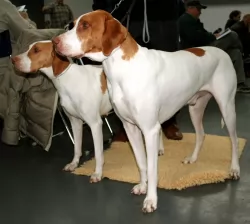 This is a working dog that can run and track for miles. She needs good nutrition. Feed about 3 cups per day in one or two meals. Two meals are preferred.
As previously mentioned this breed might be susceptible to many genetic diseases or disorders but there have not been any studies to show this.
The Braque Saint Germain does not need a high amount of exercise as their energy level is medium. They still need daily exercise. They do best with a fenced off leash area to run. They love frisbee and chasing balls.