 MyDogBreeds
 Bagel Hound is originated from United States but Dachshund is originated from Germany. Bagel Hound may grow 15 cm / 6 inches higher than Dachshund. Bagel Hound may weigh 12 kg / 27 pounds more than Dachshund. Both Bagel Hound and Dachshund has same life span. Both Bagel Hound and Dachshund has same litter size. Both Bagel Hound and Dachshund requires Low maintenance.
 The Bagel Hound is a hybrid breed that emerged in the early 2000s by crossing the Beagle and Basset Hound. Both parent breeds have ancient origins—Beagles were bred for hunting small game with their exceptional sense of smell, while Basset Hounds, with their calm demeanor and powerful scenting ability, were also used for hunting.
The Bagel Hound was developed to combine the Beagle’s playful, energetic nature with the Basset Hound’s laid-back, affectionate temperament. Though relatively new, this hybrid quickly became popular for its friendly disposition, moderate energy, and suitability as a family companion.
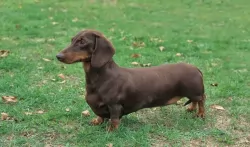 The Dachshund originated in Germany. He was used as a hunting dog with his origins starting way back in the 15th century already. The small dog was developed to hunt for animals that buried themselves deep underground such as badgers. The shape of the dog and his courage and bravery allowed him to take on the badger.
There has been a lot of debate as to whether the Dachshund is a hound or terrier, and it was decided that the Dachshund is a hound that became a terrier, and which displays some of the best qualities of both.
It was in 1881 that the Dachshund Club of England was formed and the German Deutscher Teckelklub was formed in 1888. The small dog gained popularity in America and the Dachshund Club of America was founded in 1895.
 The Bagel Hound is a medium-sized, affectionate hybrid breed resulting from the cross between the Beagle and the Basset Hound. With a sturdy, muscular body and a short, dense coat, this breed combines the best features of its parents.
Typically, a Bagel Hound has a short to medium-length coat that can come in a variety of colors, including tri-color (black, white, and tan), bi-color, or combinations of tan, white, and black. Their face is expressive with long, floppy ears and a soft, gentle gaze, a trait inherited from both parent breeds.
This breed is known for being friendly, affectionate, and playful, making it an excellent companion for families, including those with children or other pets. While generally calm, they do have a stubborn streak due to their strong scenting instincts, so consistent training is important. Despite their playful nature, they are not overly energetic and are typically content with moderate exercise, such as daily walks and playtime.
The Bagel Hound has a balanced temperament—loyal, loving, and a little mischievous—which makes them a popular choice for families and first-time dog owners who are willing to invest in training and care.
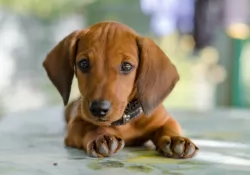 Known as Badger Dogs, Sausage Dogs or Doxies, the Dachshund is known for his long body, his sharp, pointed face and the short legs with the large front paws.
He stands at about 21-28 cm while the female may be 20-25 cm and weighing 6 to 15kg. He is the smallest of the hound dogs, with the standard size dachshund being developed to scent and chase badgers and other animals.
There are different Dachshund coat varieties – the smooth coat, the long-haired Dachshund and the wire-haired dachshund. They also come in a number of solid colors such as brown, red, tan, chocolate and black.
The dachshund is an energetic,social little dog with a loving personality. He’ll love to lie as close as possible to you on the couch and be with you wherever you are. Training and socialization is important so he doesn’t become too protective so that he wants to go for anyone who comes near.
He can be stubborn but he is also protective of his human family. Dachshunds are known for their tendency to bark but training and socialization can help tremendously to make him obedient and relaxed around humans and pets.
He is small enough to be a great pet in the city or in the country. He loves to spend time indoors- as well as outdoors. He can become a loving companion and gets on well with children and pets in the house. In spite of his small size, he makes a good watchdog.
 The Bagel Hound is a friendly, affectionate, and playful breed, combining the best traits of its Beagle and Basset Hound parents. They are medium-sized with a sturdy, muscular build, and a short, dense coat. Bagel Hounds are social and enjoy being around people, often following their owners around and seeking attention. They have a gentle, patient nature, making them great with children and other pets.
While they are generally calm, they are also curious and scent-driven, which can make them a bit stubborn and prone to distractions. Their affectionate personality and loyal nature make them great companions, though they benefit from consistent training and exercise.
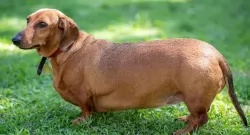 The Dachshund may be small but he is courageous, brave and loyal. He gets on well with children and pets in the home but care needs to be taken because of his long back.These dogs are prone to disk problems so you have to be careful with rough and tumble from children.
Dog experts say that the different kinds of Dachshunds produce different personalities and that the longer-coated one is more amicable than the short-coat variety. Whichever variety you choose, they are guaranteed to entertain and delight you and be a loyal, loving companion.
 A common genetic condition where the hip joint doesn't fit properly, causing pain and potential arthritis. It can lead to limping or difficulty moving, especially as the dog ages.
The Bagel Hound’s long, floppy ears trap moisture and debris, making them more susceptible to infections. Regular ear cleaning and keeping ears dry can help prevent this issue.
Bagel Hounds love food, and without proper portion control and exercise, they can easily gain weight. Obesity can lead to other health problems like heart disease, joint issues, and reduced life expectancy. Regular exercise and a balanced diet are essential to keep them at a healthy weight.
 The life expectancy of the Dachshund is 12 to 16 years. With good care which includes good nutrition he can reach mature years. However there are always some dog diseases that are worth knowing about so that you can steer your pet away from them.
One of these is obesity, and the Dachshund is prone to developing obesity. Never overfeed him and ensure he gets his regular exercise which can be walks and ball games. Check with your vet if you’re unsure about how to feed him. Essentially, the amount of food you give a dog depends on the size of your dog, his age and his activity levels.
Be sure to provide high-quality food and monitor his intake. Your vet is always there to advise on the correct food and amount that can help him remain healthy.
Unfortunately, this dog’s shape – the long back – makes the dog more prone to disc herniation. With some Dachshunds having a gene that creates mineral deposits in the discs in the spine, the risk of herniation is higher.
A large percentage of dachshunds have intervertebral disc disease. Encourage your Dachshund not to jump down off a bed or couch, but rather provide some steps for him to get to out of reach places.
 Daily walks help keep them fit, while interactive play sessions like fetch offer mental and physical stimulation. Avoid overexerting them, especially in hot weather, to prevent exhaustion.
Provide a balanced diet with portion control to maintain a healthy weight. Brush their coat weekly to manage shedding, and clean their ears regularly to avoid infections.
Use positive reinforcement during training for best results. Regular vet check-ups ensure they stay healthy, and keeping an eye on their weight helps prevent obesity.
 The Dachshund is a medium shedder and if you choose the short haired dog, you’re going to have a low maintenance pet.
The long haired Dachshund will require more regular brushing but the short-haired Dachshund is a low maintenance dog that will require a brush once a week.
While brushing him, you can be checking his ears and nails at the same time. All dogs with floppy ears need to have them checked for ear infections. Also, maintain good oral hygiene with your Dachshund by brushing his teeth 2 or 3 times a week.