 MyDogBreeds
 Bagel Hound is originated from United States but Dandie Dinmont Terrier is originated from United Kingdom. Bagel Hound may grow 15 cm / 6 inches higher than Dandie Dinmont Terrier. Bagel Hound may weigh 16 kg / 36 pounds more than Dandie Dinmont Terrier. Both Bagel Hound and Dandie Dinmont Terrier has same life span. Both Bagel Hound and Dandie Dinmont Terrier has almost same litter size. Bagel Hound requires Low maintenance. But Dandie Dinmont Terrier requires Moderate maintenance
 The Bagel Hound is a hybrid breed that emerged in the early 2000s by crossing the Beagle and Basset Hound. Both parent breeds have ancient origins—Beagles were bred for hunting small game with their exceptional sense of smell, while Basset Hounds, with their calm demeanor and powerful scenting ability, were also used for hunting.
The Bagel Hound was developed to combine the Beagle’s playful, energetic nature with the Basset Hound’s laid-back, affectionate temperament. Though relatively new, this hybrid quickly became popular for its friendly disposition, moderate energy, and suitability as a family companion.
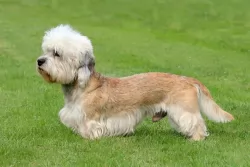 The rough coated Dandie Dinmont Terrier originates from Scotland. They were used centuries ago for hunting otters and badgers.
There are theories that exist that the dog is a cross between Scottish- and Skye Terriers while others believe there must be some Dachshund in the mix because of the long body of the Dandie Dinmont Terrier.
The Dandie Dinmont Terrier was first recorded as a distinct breed in the late 1600s. The British Dandie Dinmont Terrier Club was formed in 1875 while the American Kennel Club recognized the Dandie in 1886.
 The Bagel Hound is a medium-sized, affectionate hybrid breed resulting from the cross between the Beagle and the Basset Hound. With a sturdy, muscular body and a short, dense coat, this breed combines the best features of its parents.
Typically, a Bagel Hound has a short to medium-length coat that can come in a variety of colors, including tri-color (black, white, and tan), bi-color, or combinations of tan, white, and black. Their face is expressive with long, floppy ears and a soft, gentle gaze, a trait inherited from both parent breeds.
This breed is known for being friendly, affectionate, and playful, making it an excellent companion for families, including those with children or other pets. While generally calm, they do have a stubborn streak due to their strong scenting instincts, so consistent training is important. Despite their playful nature, they are not overly energetic and are typically content with moderate exercise, such as daily walks and playtime.
The Bagel Hound has a balanced temperament—loyal, loving, and a little mischievous—which makes them a popular choice for families and first-time dog owners who are willing to invest in training and care.
 The Dandie Dinmont Terrier is a small dog who stands between 20 – 28cm at the withers and weighs between 8 and 11kg. He is recognizable by his fluffy head of hair.
He actually has quite a unique look with his long body and slightly over-sized head. He has floppy ears and a long tail. His coat is quite unusual too in that it can be silky and long around the face, legs and belly, while the topcoat is fairly shortish and crisp. His coat color is fawn to brown or reddish. He isn’t a heavy shedder.
Known also as the Dandie, Charlie’s Hope Terrier, the Mustard and Pepper Terrier, the Dandie Dinmont makes an excellent family pet with his calm demeanor, being somewhat reserved around strangers.
He is an alert, intelligent little dog and will warn you of strangers coming into your space. He therefore makes a good watchdog. He is loving and loyal to his human family and will readily fit into life in the city or in the countryside.
They are good with children and pets but with his independent streak, he will require training and socialization if you want him to behave and be obedient.
 The Bagel Hound is a friendly, affectionate, and playful breed, combining the best traits of its Beagle and Basset Hound parents. They are medium-sized with a sturdy, muscular build, and a short, dense coat. Bagel Hounds are social and enjoy being around people, often following their owners around and seeking attention. They have a gentle, patient nature, making them great with children and other pets.
While they are generally calm, they are also curious and scent-driven, which can make them a bit stubborn and prone to distractions. Their affectionate personality and loyal nature make them great companions, though they benefit from consistent training and exercise.
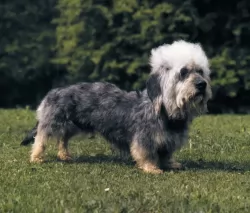 Your Dandie Dinmont is capable of being a wonderful companion. He loves spending time with his human family and is affectionate and loyal.
The small Dandie is able to fit into life in the city or country, just so long as he has his human family with him. Because he comes from Terrier dogs, he is no push-over though and he has an independent streak which will benefit from training and socialization.
Make sure you give this small dog of yours plenty of love and good care and you will find that you have a loyal, devoted friend in him.
 A common genetic condition where the hip joint doesn't fit properly, causing pain and potential arthritis. It can lead to limping or difficulty moving, especially as the dog ages.
The Bagel Hound’s long, floppy ears trap moisture and debris, making them more susceptible to infections. Regular ear cleaning and keeping ears dry can help prevent this issue.
Bagel Hounds love food, and without proper portion control and exercise, they can easily gain weight. Obesity can lead to other health problems like heart disease, joint issues, and reduced life expectancy. Regular exercise and a balanced diet are essential to keep them at a healthy weight.
 Your pet Dandie Dinmont is a robust little dog who, with good care, can live to be anything between 12 to 15 years of age.
With every dog breed there will be health concerns, and these can include illnesses such as epilepsy as well as hypochondroplasia. All dogs have the potential to fall prey to health problems, and getting your pet from a reputable breeder can help to ensure you eliminate some of these diseases.
This small dog has a long body which means he can be affected by spinal problems. Genetics and body shape play a large role. Intervertebral disc disease is a condition where the cushioning discs between the vertebrae of the spinal column herniate into the spinal cord space. The discs press on the nerves and pain and paralysis can follow.
 Daily walks help keep them fit, while interactive play sessions like fetch offer mental and physical stimulation. Avoid overexerting them, especially in hot weather, to prevent exhaustion.
Provide a balanced diet with portion control to maintain a healthy weight. Brush their coat weekly to manage shedding, and clean their ears regularly to avoid infections.
Use positive reinforcement during training for best results. Regular vet check-ups ensure they stay healthy, and keeping an eye on their weight helps prevent obesity.
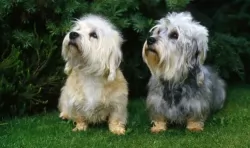 The Dandie doesn’t require as much exercise as some other dog breeds but you want to make sure he goes with you on your walks, or you play ball with him in the garden. You don’t want to see a small dog like this becoming obese as it can herald in a host of health problems.
The Dandie Dinmont Terrier doesn’t shed a hang of a lot but still, you will need to brush him twice a week to get rid of those loose hairs. Also, the coat will require stripping twice a year. Some dog owners who prefer a low maintenance breed might not like knowing this, but it is a necessary part of his grooming. There are some dog owners who cut the hair rather, but then the texture of the coat will change. This is only important to know if you want to show your Dandie. Other Dandie owners take their pets to a professional groomer for clipping.
Because the Dandie has floppy ears and a lot of hair around the face and ears, you will need to check his ears for dirt and wax build-up as these can cause an ear infection. If you’re nervous to be going inside your dog’s ears, the vet or the dog groomer can show you how.
Also, little dogs like this are prone to tooth decay, and you will need to brush his teeth 2 or 3 times a week. This is because plaque and tartar buildup can cause mouth infections which contribute to other diseases within the body.