 MyDogBreeds
 Bagel Hound is originated from United States but East German Shepherd is originated from Germany. Bagel Hound may grow 22 cm / 8 inches shorter than East German Shepherd. Bagel Hound may weigh 13 kg / 28 pounds lesser than East German Shepherd. Both Bagel Hound and East German Shepherd has almost same life span. Both Bagel Hound and East German Shepherd has almost same litter size. Bagel Hound requires Low maintenance. But East German Shepherd requires High maintenance
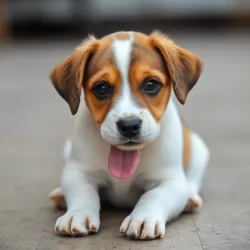 The Bagel Hound is a hybrid breed that emerged in the early 2000s by crossing the Beagle and Basset Hound. Both parent breeds have ancient origins—Beagles were bred for hunting small game with their exceptional sense of smell, while Basset Hounds, with their calm demeanor and powerful scenting ability, were also used for hunting.
The Bagel Hound was developed to combine the Beagle’s playful, energetic nature with the Basset Hound’s laid-back, affectionate temperament. Though relatively new, this hybrid quickly became popular for its friendly disposition, moderate energy, and suitability as a family companion.
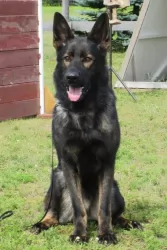 The East German Shepherd is a line of the German Shepherd Dog breed. The German Shepherd Dog came about when the three types of “continental shepherd dogs” separated into the Dutch Shephers, German Shepherd and Belgian Shepherd. In the 1800’s it was local shepherds who bred their dogs and selected the traits they needed in their geography. The result was dogs in various local areas who all could herd and guard flocks; who were intelligent, strong, fast and had a good sense of smell, but their appearance and skills varied from town to town.
The changes in Germany from agriculture and sheep to industrial cities rendered the German Sheep Dog obsolete. But was it really? Many felt the dog could be a good working dog in the cities as well but needed some refinement in the breed according to Max von Stephanite. At a dog show in 1899, he found what he wanted – the perfect working dog.Stephanitz bought the dog and founded the Society for the German Shepherd. (Verein fur Deutsch Schaferhunde) Stephanitz is considered the developer of the German Shepherd Dog.
The East German Shepherd is a line of the German Shepherd Dog breed. The German Shepherd Dog came about when the three types of “continental shepherd dogs” separated into the Dutch Shephers, German Shepherd and Belgian Shepherd. In the 1800’s it was local shepherds who bred their dogs and selected the traits they needed in their geography. The result was dogs in various local areas who all could herd and guard flocks; who were intelligent, strong, fast and had a good sense of smell, but their appearance and skills varied from town to town.
The changes in Germany from agriculture and sheep to industrial cities rendered the German Sheep Dog obsolete. But was it really? Many felt the dog could be a good working dog in the cities as well but needed some refinement in the breed according to Max von Stephanite. At a dog show in 1899, he found what he wanted – the perfect working dog.Stephanitz bought the dog and founded the Society for the German Shepherd. (Verein fur Deutsch Schaferhunde) Stephanitz is considered the developer of the German Shepherd Dog.
The East German Shepherd is a line of the same breed. There are several different lines of the German Shepherd Dog, with slight difference for the reason they were bred. For instance, the German Shepherd Dog is bred for looks while the East German Shepherd is bred to be a working dog. Often called a DDR German Shepherd, they came about from the Deutsche Democratic Republic or the Republic of East Germany. For about 40 years in East Germany these dogs were bred only within the DDR bloodline.
The East German Shepherd is stronger, heavier boned, leaner, more muscular and solid. During the time of the Berlin Wall, from 1961-1989, there were few German Shepherds for breeding stock on either side of the wall, but especially in the East. There the government controlled the development of the breed. They developed a separate registry for the DDR – East German Shepherd. With such strict standards for a perfect working dog and such little breeding stock, the only dogs allowed to reproduce were the ones that passed a rigorous test and were deemed perfect working dogs.
In West Germany they continued to breed for appearance. The West German Shepherd are the most popular ones and are usually simply called German Shepherds. The show dogs of today and the American line came from the West.
Preserving the East German Shepherd today is important and difficult. It means preserving not improving. The Strength of the East German Shepherd is their body line and style, Today’s breeder must maintain this while making sure there is enough diversity in the gene pool to keep the line healthy without losing its body style and working temperament. It is important that the East German Shepherd have a straight back rather than the sloping one of the German Shepherd Dog or the American lines of the GSD. The working dog is also more aggressive and has a much higher work drive than any of the other German Shepherd Dogs lines.
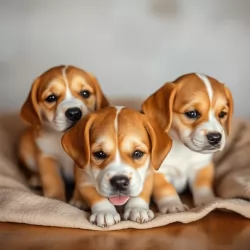 The Bagel Hound is a medium-sized, affectionate hybrid breed resulting from the cross between the Beagle and the Basset Hound. With a sturdy, muscular body and a short, dense coat, this breed combines the best features of its parents.
Typically, a Bagel Hound has a short to medium-length coat that can come in a variety of colors, including tri-color (black, white, and tan), bi-color, or combinations of tan, white, and black. Their face is expressive with long, floppy ears and a soft, gentle gaze, a trait inherited from both parent breeds.
This breed is known for being friendly, affectionate, and playful, making it an excellent companion for families, including those with children or other pets. While generally calm, they do have a stubborn streak due to their strong scenting instincts, so consistent training is important. Despite their playful nature, they are not overly energetic and are typically content with moderate exercise, such as daily walks and playtime.
The Bagel Hound has a balanced temperament—loyal, loving, and a little mischievous—which makes them a popular choice for families and first-time dog owners who are willing to invest in training and care.
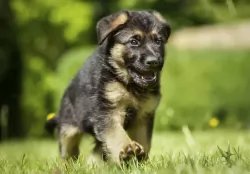 What are the differences between the German Shepherd Dog (GSD) and the East German Shepherd? The East German Shepherd has a straight back and a larger bone structure. He has a very large and block shaped head with a lean, athletic build. His lips are taunt and dark, and his nose must be black. He has a scissor bite and strong teeth. His eyes are medium sized almonds that are slanted slightly. The eyes are also very dark. His ears are erect and not too big. His legs, haunches and feet must all be coordinated so that he trots rather than runs.
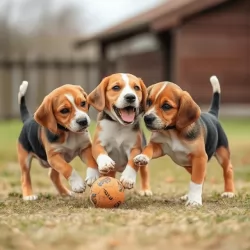 The Bagel Hound is a friendly, affectionate, and playful breed, combining the best traits of its Beagle and Basset Hound parents. They are medium-sized with a sturdy, muscular build, and a short, dense coat. Bagel Hounds are social and enjoy being around people, often following their owners around and seeking attention. They have a gentle, patient nature, making them great with children and other pets.
While they are generally calm, they are also curious and scent-driven, which can make them a bit stubborn and prone to distractions. Their affectionate personality and loyal nature make them great companions, though they benefit from consistent training and exercise.
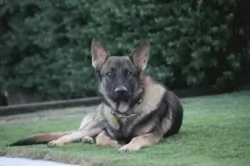 The East German Shepherd is a well- balanced dog. He is sure of himself, friendly, loyal and wants to please his owner. He is intelligent, resilient and attentive. He will make a great family pet. He is aggressive with a high prey drive but that can be tempered with good socialization and training. He is easy to train.
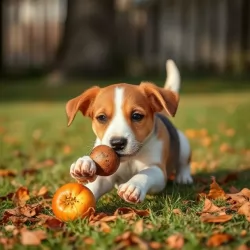 A common genetic condition where the hip joint doesn't fit properly, causing pain and potential arthritis. It can lead to limping or difficulty moving, especially as the dog ages.
The Bagel Hound’s long, floppy ears trap moisture and debris, making them more susceptible to infections. Regular ear cleaning and keeping ears dry can help prevent this issue.
Bagel Hounds love food, and without proper portion control and exercise, they can easily gain weight. Obesity can lead to other health problems like heart disease, joint issues, and reduced life expectancy. Regular exercise and a balanced diet are essential to keep them at a healthy weight.
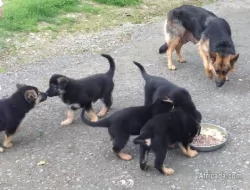 Because the East German Shepherd line has been isolated behind the Berlin Wall, there are not many genetic health issues in the line. Most importantly the East German Shepherd shows no hip dysplasia which plagues most GSD. There are a couple of situations to look out for. They are:
A life threatening issue that must be addressed immediately for fear of death. Bloat is caused when a larger dog with a deep chest eats too large a meal before or after strenuous exercise, eats too fast, or drinks too much water. The stomach distends with air or gas and twists. Sometimes it is completely inverted. Get help fast or your dog will die.
 Daily walks help keep them fit, while interactive play sessions like fetch offer mental and physical stimulation. Avoid overexerting them, especially in hot weather, to prevent exhaustion.
Provide a balanced diet with portion control to maintain a healthy weight. Brush their coat weekly to manage shedding, and clean their ears regularly to avoid infections.
Use positive reinforcement during training for best results. Regular vet check-ups ensure they stay healthy, and keeping an eye on their weight helps prevent obesity.
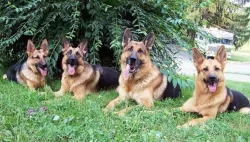 Because these dogs were bred to work you need to feed them a high quality dry food, made for working dogs. It needs to have a good amount of calcium and glucosamine. Feed about 3-4 cups per day divided into 2 feeding times.
In addition to bloat as mentioned above, the East German Shepherd can also have both air born, and food born allergies. These are easily treated by your veterinarian.
The East German Shepherd is a high energy, high activity dog so you have some for him. He is agile and athletic. He needs serious exercise and a job is essential. If you can’t give an East German Shepherd a job, then don’t get this dog. He loves tracking and has a high prey drive. Keep him trained, challenged and working. Try tracking and herding trials, obedience, agility, fly ball and bar hunt.