 MyDogBreeds
 Bagel Hound is originated from United States but Estonian Hound is originated from Estonia. Bagel Hound may grow 9 cm / 3 inches shorter than Estonian Hound. Bagel Hound may weigh 7 kg / 16 pounds more than Estonian Hound. Both Bagel Hound and Estonian Hound has same life span. Both Bagel Hound and Estonian Hound has same litter size. Bagel Hound requires Low maintenance. But Estonian Hound requires Moderate maintenance
 The Bagel Hound is a hybrid breed that emerged in the early 2000s by crossing the Beagle and Basset Hound. Both parent breeds have ancient origins—Beagles were bred for hunting small game with their exceptional sense of smell, while Basset Hounds, with their calm demeanor and powerful scenting ability, were also used for hunting.
The Bagel Hound was developed to combine the Beagle’s playful, energetic nature with the Basset Hound’s laid-back, affectionate temperament. Though relatively new, this hybrid quickly became popular for its friendly disposition, moderate energy, and suitability as a family companion.
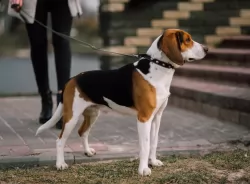 In 1947, the Estonian Hound was developed and remains today the only pure breed ever developed in Estonia. At that time the national economic minister of the Soviet Union declared that every country in the USSR must have a national dog breed. Thus, the Estonian Hound and the Estonian Kennel Union were born. The Kennel Union is currently seeking breed recognition from the Federation Cynoloqique Internationale.
The Estonian Hound came from breeding local Estonian hunting dogs with several different breeds of foreign dogs. The Soviet decree also established that hunting dogs had to be no more than 17 inches high. This result in a hunting dog with great agility and drive that is extremely popular in now inependent Estonia. It is the national dog.
 The Bagel Hound is a medium-sized, affectionate hybrid breed resulting from the cross between the Beagle and the Basset Hound. With a sturdy, muscular body and a short, dense coat, this breed combines the best features of its parents.
Typically, a Bagel Hound has a short to medium-length coat that can come in a variety of colors, including tri-color (black, white, and tan), bi-color, or combinations of tan, white, and black. Their face is expressive with long, floppy ears and a soft, gentle gaze, a trait inherited from both parent breeds.
This breed is known for being friendly, affectionate, and playful, making it an excellent companion for families, including those with children or other pets. While generally calm, they do have a stubborn streak due to their strong scenting instincts, so consistent training is important. Despite their playful nature, they are not overly energetic and are typically content with moderate exercise, such as daily walks and playtime.
The Bagel Hound has a balanced temperament—loyal, loving, and a little mischievous—which makes them a popular choice for families and first-time dog owners who are willing to invest in training and care.
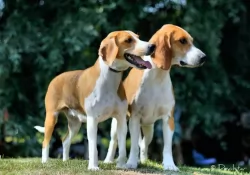
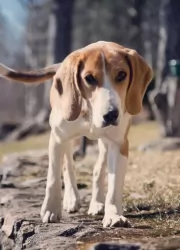 The Estonian Hound is a strong, muscular body of medium size, with well-developed muscles and strong bones. It has a straight muzzle and skull with defined eyebrows and long drop ears. They have black noses and dark eyes. Their back is wide and straight, and their chest is deep and wide. They have skin that is tight with no wrinkles or folds anywhere.
The Estonian Hound is double coated, but the undercoat is not well developed. The top coat is rough, short and shiny. The tail has a thick covering of hair. The color is usually white with red patches, black or brown patches or yellow patches.
 The Bagel Hound is a friendly, affectionate, and playful breed, combining the best traits of its Beagle and Basset Hound parents. They are medium-sized with a sturdy, muscular build, and a short, dense coat. Bagel Hounds are social and enjoy being around people, often following their owners around and seeking attention. They have a gentle, patient nature, making them great with children and other pets.
While they are generally calm, they are also curious and scent-driven, which can make them a bit stubborn and prone to distractions. Their affectionate personality and loyal nature make them great companions, though they benefit from consistent training and exercise.
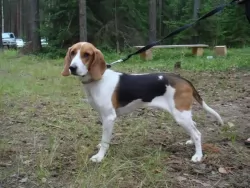 The Estonian Hound is a happy dog and loves to play with children. He was bred to hunt though and he can get fixated on a scent and knock over a small child.
He is a hunting dog with great agility and drive.
He has had to be adaptable through his short history and is now more a companion than a hunting dog. He can live in the city or country.
He is intelligent and trainable. He is lively and energetic and the challenge might be keeping his attention long enough to train.
 A common genetic condition where the hip joint doesn't fit properly, causing pain and potential arthritis. It can lead to limping or difficulty moving, especially as the dog ages.
The Bagel Hound’s long, floppy ears trap moisture and debris, making them more susceptible to infections. Regular ear cleaning and keeping ears dry can help prevent this issue.
Bagel Hounds love food, and without proper portion control and exercise, they can easily gain weight. Obesity can lead to other health problems like heart disease, joint issues, and reduced life expectancy. Regular exercise and a balanced diet are essential to keep them at a healthy weight.
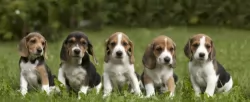 With such a young breed there have not been any studies done on their health or genetic issues. It seems the breed is fairly healthy but there is too little information to really say. Being confined to Estonia there has been little commercial or backyard breeding. He is less likely than most pure breeds to have genetic issues.
It is likely that dogs of his type are at risk for:
Caused by excessive exercise before or after having eaten a large meal. It is suggested that you feed your English Setter twice a day, smaller meals and not right before or after strenuous exercise.
 Daily walks help keep them fit, while interactive play sessions like fetch offer mental and physical stimulation. Avoid overexerting them, especially in hot weather, to prevent exhaustion.
Provide a balanced diet with portion control to maintain a healthy weight. Brush their coat weekly to manage shedding, and clean their ears regularly to avoid infections.
Use positive reinforcement during training for best results. Regular vet check-ups ensure they stay healthy, and keeping an eye on their weight helps prevent obesity.
 Feed a high quality dry food made for puppies. Feed ¼ to ½ cup per day in 2-3 meals for the first six months.
Feed 1 to 2 cups in two meals from 6 months to a year or so.
Feed about 2 to 3 cups in two meals.
As previously mentioned this seems to be a fairly healthy breed.
Be careful not to feed a large meal before or after exercise due to possibility of bloat.
Check their ears and clean them periodically.
The Estonian Hound is a hunting dog and needs a good deal of exercise – at least an hour and a half every day or a long walk if not used for hunting. He is a working dog with a lot of energy and stamina. Don’t let him off leash though or he will follow his nose and take off. He is usually calm and quiet indoors if he gets enough physical and mental stimulation outdoors. He can be destructive and loud, nervous and hyper if he doesn’t. They enjoy Frisbee, agility, tracking and of course hunting.