 MyDogBreeds
 Bagel Hound is originated from United States but Great Pyrenees is originated from France. Bagel Hound may grow 39 cm / 15 inches shorter than Great Pyrenees. Bagel Hound may weigh 27 kg / 59 pounds lesser than Great Pyrenees. Bagel Hound may live 3 years more than Great Pyrenees. Bagel Hound may have less litter size than Great Pyrenees. Bagel Hound requires Low maintenance. But Great Pyrenees requires Moderate maintenance
 The Bagel Hound is a hybrid breed that emerged in the early 2000s by crossing the Beagle and Basset Hound. Both parent breeds have ancient origins—Beagles were bred for hunting small game with their exceptional sense of smell, while Basset Hounds, with their calm demeanor and powerful scenting ability, were also used for hunting.
The Bagel Hound was developed to combine the Beagle’s playful, energetic nature with the Basset Hound’s laid-back, affectionate temperament. Though relatively new, this hybrid quickly became popular for its friendly disposition, moderate energy, and suitability as a family companion.
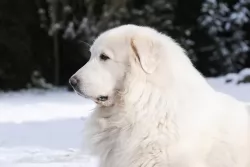 The Great Pyrenees could be from Spain or France because the dog hails from the Pyrenees Mountains, which spans both France and Spain.
The dog was used to defend flocks from predators but its lineage goes a long way back, thousands of years in fact. It is thought that they only arrived in Europe about 5,000 years ago. The dog was adopted into the court of Louis the XIV as a royal dog.
During the mid 1600s, the dog's numbers dwindled but the French developed kennel clubs where the dog could be bred and its numbers restored. It was in 1933 that the Great Pyrenees received American Kennel Club recognition.
 The Bagel Hound is a medium-sized, affectionate hybrid breed resulting from the cross between the Beagle and the Basset Hound. With a sturdy, muscular body and a short, dense coat, this breed combines the best features of its parents.
Typically, a Bagel Hound has a short to medium-length coat that can come in a variety of colors, including tri-color (black, white, and tan), bi-color, or combinations of tan, white, and black. Their face is expressive with long, floppy ears and a soft, gentle gaze, a trait inherited from both parent breeds.
This breed is known for being friendly, affectionate, and playful, making it an excellent companion for families, including those with children or other pets. While generally calm, they do have a stubborn streak due to their strong scenting instincts, so consistent training is important. Despite their playful nature, they are not overly energetic and are typically content with moderate exercise, such as daily walks and playtime.
The Bagel Hound has a balanced temperament—loyal, loving, and a little mischievous—which makes them a popular choice for families and first-time dog owners who are willing to invest in training and care.
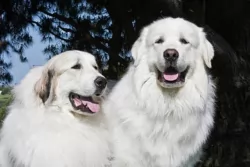
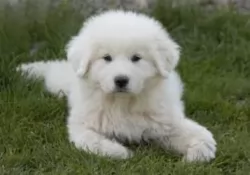 This is a beautiful dog, noticeable by the essentially white coat and his overall size, standing at 70 to 82cm and weighing between 40 to 54 kg.
The double coat is medium to long, coarse and straight or wavy and and it can be solid white, cream or white with patches of light tan or grey.
The nose is black, the eyes brown, the ears of medium length and floppy and the tail long and plumed.
The Great Pyrenees is an intelligent, strong willed dog with a mind of his own so he will be able to be trained and socialized successfully.
His huge size will require that he be trained because when he is indoors he can knock things over and he must be able to respond to you telling him to lie down.
As a large dog, he isn’t suited for tiny homes, as he requires lots of space even though he doesn’t require a lot of exercise. Not only that, he takes his watchdog duties seriously and he is inclined to bark a lot, and in a small place, you’ll be getting constant complaints from the neighbors.
When trained and socialized, your big dog is social, active and loving. He gets on well with children, the elderly and with pets in the home. He isn’t that overly active and will happily make himself at home on your couch and bed.
 The Bagel Hound is a friendly, affectionate, and playful breed, combining the best traits of its Beagle and Basset Hound parents. They are medium-sized with a sturdy, muscular build, and a short, dense coat. Bagel Hounds are social and enjoy being around people, often following their owners around and seeking attention. They have a gentle, patient nature, making them great with children and other pets.
While they are generally calm, they are also curious and scent-driven, which can make them a bit stubborn and prone to distractions. Their affectionate personality and loyal nature make them great companions, though they benefit from consistent training and exercise.
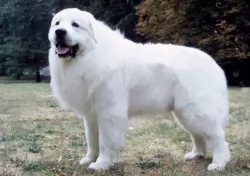 The Great Pyrenees is such a calm, independent, serious, well-mannered dog who loves to be around his human family and to please them. He is gentle and knows how to behave well around children, the elderly as well as with any pets in the home.
He makes a wonderful companion and although he loves indoor life as much as outdoor life, he is much happier settling into life in the country or the suburbs as opposed to life in the city and a tiny property.
Give your big white coated pet all the love he thrives on, and you'll enjoy a wonderful relationship with this large, amicable dog.
 A common genetic condition where the hip joint doesn't fit properly, causing pain and potential arthritis. It can lead to limping or difficulty moving, especially as the dog ages.
The Bagel Hound’s long, floppy ears trap moisture and debris, making them more susceptible to infections. Regular ear cleaning and keeping ears dry can help prevent this issue.
Bagel Hounds love food, and without proper portion control and exercise, they can easily gain weight. Obesity can lead to other health problems like heart disease, joint issues, and reduced life expectancy. Regular exercise and a balanced diet are essential to keep them at a healthy weight.
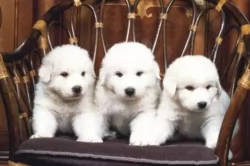 Your Great Pyrenees is a big dog with an average lifespan of 10 to 12 years. His large size means you will need to look out for typical 'big dog' ailments such as hip dysplasia.
This problem can cause your pet to be in pain and he can also become lame, battling to walk and play and battling to get up after lying down.
Also, look out for bone cancer with your pet and as mentioned previously, bloat, which is a life threatening disease where the stomach of the dog swells up.
 Daily walks help keep them fit, while interactive play sessions like fetch offer mental and physical stimulation. Avoid overexerting them, especially in hot weather, to prevent exhaustion.
Provide a balanced diet with portion control to maintain a healthy weight. Brush their coat weekly to manage shedding, and clean their ears regularly to avoid infections.
Use positive reinforcement during training for best results. Regular vet check-ups ensure they stay healthy, and keeping an eye on their weight helps prevent obesity.
 Your Great Pyrenees isn't going to be a dog leaping around you demanding a game or walk like what you get from some energetic dogs. He certainly doesn't require strenuous exercise but will require a nice, brisk walk every day. Give him some ball or rope games too. He's territorial and likes large grounds to walk around and guard and this constant guarding is a good form of exercise too.
With two layers, the coat of the Great Pyrenees will need to be brushed twice a week to prevent burrs attaching to the fur and to prevent it from matting, It also gets rid of loose hair during shedding.
He tends to drool so it's handy keeping a damp cloth close by just to give his face area a wipe down. Your dog's ears will need to be cleaned with special ear-cleaning lotion and his nails will also need to be trimmed.
Socialize your Great Pyrenees with other dogs and people from a young age. Without proper socialization, this breed can become territorial and possessive of his family, which could lead to aggression. He bonds with his family but tends to be wary of strangers.
It is far better to feed your Great Pyrenees smaller meals throughout the day as opposed to 2 large meals a day. A large dog like him can develop bloat from gulping down a large amount of food too quickly.
If you feed your Great Pyrenees commercially manufactured food, make sure it is high in omega 3 and 6 to keep his thick white coat luxurious.
Your dog will need a dog food targeted at a large breed. Remember to include some raw meat as well as cooked chicken, vegetables and brown rice into his kibble and always ensure fresh, cool water is available.