 MyDogBreeds
 Bagel Hound is originated from United States but Himalayan Mastiff is originated from India. Bagel Hound may grow 28 cm / 11 inches shorter than Himalayan Mastiff. Bagel Hound may weigh 51 kg / 112 pounds lesser than Himalayan Mastiff. Both Bagel Hound and Himalayan Mastiff has same life span. Both Bagel Hound and Himalayan Mastiff has almost same litter size. Bagel Hound requires Low maintenance. But Himalayan Mastiff requires Moderate maintenance
 The Bagel Hound is a hybrid breed that emerged in the early 2000s by crossing the Beagle and Basset Hound. Both parent breeds have ancient origins—Beagles were bred for hunting small game with their exceptional sense of smell, while Basset Hounds, with their calm demeanor and powerful scenting ability, were also used for hunting.
The Bagel Hound was developed to combine the Beagle’s playful, energetic nature with the Basset Hound’s laid-back, affectionate temperament. Though relatively new, this hybrid quickly became popular for its friendly disposition, moderate energy, and suitability as a family companion.
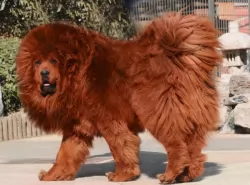 The Himalayan Mastiff or Tibetan Mastiff is an ancient breed. Bred to be guardians of the flock, they could take care of leopards and wolves or anything else that tied to hurt the flock. The Himalaya Mastiff is found in the Himalayan area of Tibet. They are descendants of the Tibetan dogs that developed almost any Mastiff or Molosser on earth. They may have been in the mountains since the early 1100 BC. and have been fairly isolated. It was in this isolation that the Himalayan Mastiff developed.
Their function at that time was mostly to guard property. In some circumstances an entire village is guarded by one dog. It was also during this period that the breed was taught to be aggressive by tying them up as puppies. They guarded families while the men moved the village flock higher up in the mountains. They stayed in isolation until the mid-1800’s when the Queen of England was given a Himalayan Mastiff. For thousands of years, this dog was a nomad.
Soon the breed was being exported to England. A standard was developed, and the British began to breed them. Next, they were exported to Nepal, Afghanistan, India and the United States. They are rare in Tibet these days but more popular than ever in England and the United States. The first American Himalaya Tibetan Mastiff Association came into being in 1974 and in 2006 it was recognized by the AKC.
Today in the West, the Himalayan is a domesticated, family dog. It hardly fits in an apartment of course. These new western Himalayan Mastiffs are more easy- going than the Tibetan ones, but they are still wary of strangers and somewhat aloof. They are also still very protective and nocturnal. They are smart, independent and stubborn. They are not easy to train but socialization and obedience training is essential.
A study done in 2011 showed that it is very likely that many large breed dogs were descended from this Mastiff. This includes the St. Bernard, the Rottweiler, Bernese Mountain Dog and the Great Pyrenees. Later studies showed that the Mastiff’s ability to survive in the rare air of the Himalayans was due to interbreeding with Tibetan wolves in ancient, prehistoric times. Now they are competing in the Westminster Kennel Club Dog Show.
 The Bagel Hound is a medium-sized, affectionate hybrid breed resulting from the cross between the Beagle and the Basset Hound. With a sturdy, muscular body and a short, dense coat, this breed combines the best features of its parents.
Typically, a Bagel Hound has a short to medium-length coat that can come in a variety of colors, including tri-color (black, white, and tan), bi-color, or combinations of tan, white, and black. Their face is expressive with long, floppy ears and a soft, gentle gaze, a trait inherited from both parent breeds.
This breed is known for being friendly, affectionate, and playful, making it an excellent companion for families, including those with children or other pets. While generally calm, they do have a stubborn streak due to their strong scenting instincts, so consistent training is important. Despite their playful nature, they are not overly energetic and are typically content with moderate exercise, such as daily walks and playtime.
The Bagel Hound has a balanced temperament—loyal, loving, and a little mischievous—which makes them a popular choice for families and first-time dog owners who are willing to invest in training and care.
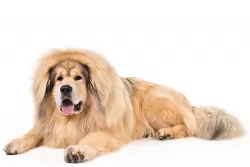
 The Himalayan Mastiff is a giant, massive dog longer than it is tall. The breed has a heavy, broad head and square muzzle. They have black noses, a level bite and almond shaped, slanted, deep set eyes. They are brown, and the ears hang close to the head. They are heavy, muscular and sturdy. They have a feathered tail curving over their back. With a heavy, thick double coat and mane they resemble a lion at times. The coat can be brown, black, and gray-blue with gold or tan markings. These are impressive and noble dogs, athletic, with cat like feet. They are agile and light on their feet.
According to some breeders there are two different kinds or types of Himalayan Mastiff. These are the Tsang-khyi or the monastery mastiff type and the Do-khyi or the nomad mastiff type. The monastery is a heavier, taller dog who face is very wrinkled while the nomad is a leaner dog with less facial wrinkles. In any litter there can be both kinds. The kind of work that was given to each dog was dependent on their type. The Monastery kind is given stationary jobs and the nomad kind got the active jobs.
 The Bagel Hound is a friendly, affectionate, and playful breed, combining the best traits of its Beagle and Basset Hound parents. They are medium-sized with a sturdy, muscular build, and a short, dense coat. Bagel Hounds are social and enjoy being around people, often following their owners around and seeking attention. They have a gentle, patient nature, making them great with children and other pets.
While they are generally calm, they are also curious and scent-driven, which can make them a bit stubborn and prone to distractions. Their affectionate personality and loyal nature make them great companions, though they benefit from consistent training and exercise.
 yes, they are if properly socialized.
Their athletic ability
They cannot live in an apartment. They need a large yard.
They are intelligent, but difficult to train. They are stubborn and independent.
 A common genetic condition where the hip joint doesn't fit properly, causing pain and potential arthritis. It can lead to limping or difficulty moving, especially as the dog ages.
The Bagel Hound’s long, floppy ears trap moisture and debris, making them more susceptible to infections. Regular ear cleaning and keeping ears dry can help prevent this issue.
Bagel Hounds love food, and without proper portion control and exercise, they can easily gain weight. Obesity can lead to other health problems like heart disease, joint issues, and reduced life expectancy. Regular exercise and a balanced diet are essential to keep them at a healthy weight.
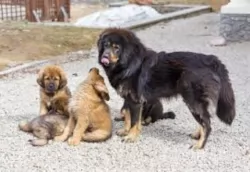 Being a large breed of canine, the Himalayan Mastiff has some of the typical health issues of large dogs. However, they also face a serious genetic disorder as well.
Canine Inherited Demyelinative Neuropathy (CIDN) – a fatal disorder seen in puppies by seven weeks of age. Puppies die before they are 5 months old.
 Daily walks help keep them fit, while interactive play sessions like fetch offer mental and physical stimulation. Avoid overexerting them, especially in hot weather, to prevent exhaustion.
Provide a balanced diet with portion control to maintain a healthy weight. Brush their coat weekly to manage shedding, and clean their ears regularly to avoid infections.
Use positive reinforcement during training for best results. Regular vet check-ups ensure they stay healthy, and keeping an eye on their weight helps prevent obesity.
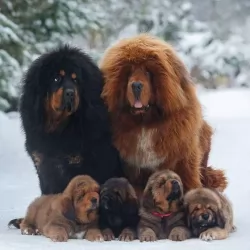 This breed will eat less than you think they should but don’t overfeed. Puppies need a solid dry food for large dogs. You can free feed 1 cup three times per day.
For dogs over a year old you can free feed anywhere from two to four cups of dry food per day. Unlike many other breeds, the Himalaya Mastiff will only eat when hungry and they may not eat more than once a day. They will not overeat. The males might not eat at all when females are in season if they are around them.
They have good strength and athletic ability.
The Himalayan Mastiff needs regular, routine walks. It is important during these walks that the human leads the way, or the dog heals. Do not overwork a young Himalayan Mastiff. They need work related jobs like structured play time, walking the boundary of their territory, playing frisbee or catch. They work and play in short bursts then rest.