 MyDogBreeds
 Bagel Hound is originated from United States but Italian Greyhound is originated from Italy. Both Bagel Hound and Italian Greyhound are having almost same height. Bagel Hound may weigh 20 kg / 45 pounds more than Italian Greyhound. Both Bagel Hound and Italian Greyhound has same life span. Bagel Hound may have more litter size than Italian Greyhound. Both Bagel Hound and Italian Greyhound requires Low maintenance.
 The Bagel Hound is a hybrid breed that emerged in the early 2000s by crossing the Beagle and Basset Hound. Both parent breeds have ancient origins—Beagles were bred for hunting small game with their exceptional sense of smell, while Basset Hounds, with their calm demeanor and powerful scenting ability, were also used for hunting.
The Bagel Hound was developed to combine the Beagle’s playful, energetic nature with the Basset Hound’s laid-back, affectionate temperament. Though relatively new, this hybrid quickly became popular for its friendly disposition, moderate energy, and suitability as a family companion.
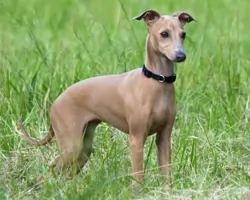 The Italian Greyhound is an ancient breed, a purebred originating in Italy but with evidence to suggest it was also to be found in Turkey and Greece.
It's a small breed dog that became popular with Italian royalty in the 16th century. Over the centuries, the dog's appearance has remain unchanged, although breeders tried to make it even smaller, leading to problems with the health of the dog.
Towards the end of the 1800s, it was fortunate that breed fanciers implemented breeding programs to restore the dog's look's and strength. The American Kennel Club registered the Italian Greyhound in 1886. Today the dog is a wonderful companion dog.
 The Bagel Hound is a medium-sized, affectionate hybrid breed resulting from the cross between the Beagle and the Basset Hound. With a sturdy, muscular body and a short, dense coat, this breed combines the best features of its parents.
Typically, a Bagel Hound has a short to medium-length coat that can come in a variety of colors, including tri-color (black, white, and tan), bi-color, or combinations of tan, white, and black. Their face is expressive with long, floppy ears and a soft, gentle gaze, a trait inherited from both parent breeds.
This breed is known for being friendly, affectionate, and playful, making it an excellent companion for families, including those with children or other pets. While generally calm, they do have a stubborn streak due to their strong scenting instincts, so consistent training is important. Despite their playful nature, they are not overly energetic and are typically content with moderate exercise, such as daily walks and playtime.
The Bagel Hound has a balanced temperament—loyal, loving, and a little mischievous—which makes them a popular choice for families and first-time dog owners who are willing to invest in training and care.
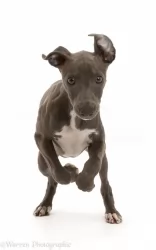 The sweet Italian Greyhound is much like the regular Greyhound, just smaller but every bit as sleek, elegant and fine-boned. He stands at between 33 and 38cm at the withers and weighs just 3 to 7kg. He is slender and elegant.
He has long, fine-boned legs and his short, smooth coat makes him easy to groom too. The coat comes in a number of colors such as fawn, tan, grey, reddish, chocolate and black.
Described as sweet, intelligent and playful, the Italian Greyhound adapts easily to life in the city or to country life.
He is easy to train too, and even though he is small and amicable, it is still a good idea to have him trained and socialized as he is just a simple pleasure to have around then. He just loves the company of his human family and becomes a gentle friend to other dogs, to children in the home and to the elderly.
He is a frail toy dog, and he needs to be constantly watched over that he isn’t handled roughly by disrespectful children or from bigger pets. He is an active breed and will love to be played with and join you on your walks. Even though he is such a frail, fragile looking dog, he has a feisty, stubborn, defiant side to him and that is why training and socialization becomes important. He will be reserved around strangers.
 The Bagel Hound is a friendly, affectionate, and playful breed, combining the best traits of its Beagle and Basset Hound parents. They are medium-sized with a sturdy, muscular build, and a short, dense coat. Bagel Hounds are social and enjoy being around people, often following their owners around and seeking attention. They have a gentle, patient nature, making them great with children and other pets.
While they are generally calm, they are also curious and scent-driven, which can make them a bit stubborn and prone to distractions. Their affectionate personality and loyal nature make them great companions, though they benefit from consistent training and exercise.
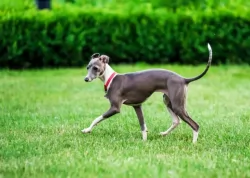 If you’re looking for a sweet, gentle canine friend, the Italian Greyhound promises to be just that. They just crave human companionship and are eager to please.
He isn’t the ideal playmate for children, simply because he is frail and can get hurt easily in rough play.
Small he may be, but he is intelligent and alert, and he will bark to warn you of strangers. They are essentially indoor dogs, and when you bring one of them into your home, you’ll be rewarded with a devoted, loving and loyal canine friend.
 A common genetic condition where the hip joint doesn't fit properly, causing pain and potential arthritis. It can lead to limping or difficulty moving, especially as the dog ages.
The Bagel Hound’s long, floppy ears trap moisture and debris, making them more susceptible to infections. Regular ear cleaning and keeping ears dry can help prevent this issue.
Bagel Hounds love food, and without proper portion control and exercise, they can easily gain weight. Obesity can lead to other health problems like heart disease, joint issues, and reduced life expectancy. Regular exercise and a balanced diet are essential to keep them at a healthy weight.
 Your small Italian Greyhound isn’t a sickly dog breed, and in fact, with the right care, he can live to be between 10 to 14 years of age.
As with any dog breed however, there will be some more common conditions to watch for in the Italian Greyhound. Some of these are epilepsy, hyperthyroidism and periodontal disease.
There are different types and causes of seizures, and there are actually no definitive tests for epilepsy. One seizure isn’t enough to make a diagnosis and more than one seizure is usually recorded before a diagnosis can be made and treatment prescribed.
These treatments don’t cure Epilepsy but rather control the symptoms and keep the dog seizure-free so that they can have a normal life.
Seizures are not all the same – some are life-threatening and advice from the internet can’t be looked upon as adequate. With a dangerous disease such as epilepsy, excellent and qualified veterinary help will be required.
Gum disease can be terrible for your pet. Apart from bone loss and loss of teeth, your pet will experience pain. Periodontal disease may well be common in dogs, but it can be prevented.
Once an animal has eaten food, particles of food, saliva and bacteria form plaque over the teeth and this doesn’t only cause damage to the teeth but to the entire immune system.
This disease can cause inflamed gums and loss of teeth. It is important to brush your pet’s teeth with special canine toothbrush and toothpaste.
The truth is, periodontal disease can cause more problems than just tooth pain which is bad enough. Dogs with gum inflammation may be at higher risk for heart- and kidney disease too. If you’re worried about your dog, take him in to your vet for an oral examination and teeth cleaning.
 Daily walks help keep them fit, while interactive play sessions like fetch offer mental and physical stimulation. Avoid overexerting them, especially in hot weather, to prevent exhaustion.
Provide a balanced diet with portion control to maintain a healthy weight. Brush their coat weekly to manage shedding, and clean their ears regularly to avoid infections.
Use positive reinforcement during training for best results. Regular vet check-ups ensure they stay healthy, and keeping an eye on their weight helps prevent obesity.
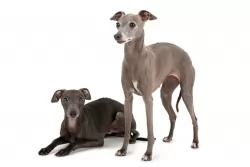 The Italian Greyhound has a short, smooth, satin-type coat which is easy to maintain. Gently brush him once or twice a week, being careful not to press down hard as he has frail, bambi-like legs.
He also sheds little, making him a low maintenance breed. Because of the short coat, take particular care of him in the Winter and don’t allow him to become overly cold.
Your Italian Greyhound will require a diet rich in nutritional value, and if your particular dog is quite active you will need to feed him about 450 calories a day and sometimes more.
Each dog is an individual and will have different dietary needs. If you feed your pet a top quality commercially manufactured food, read the packaging for guidance on food portion sizes.
Speak to your vet if you are unsure how to feed your dog so that his food and the amounts you feed him contribute to his good health. He must always have access to fresh, cool water.