 MyDogBreeds
 Bagel Hound is originated from United States but Japanese Chin is originated from Japan. Bagel Hound may grow 16 cm / 7 inches higher than Japanese Chin. Bagel Hound may weigh 21 kg / 47 pounds more than Japanese Chin. Both Bagel Hound and Japanese Chin has almost same life span. Bagel Hound may have more litter size than Japanese Chin. Bagel Hound requires Low maintenance. But Japanese Chin requires Moderate maintenance
 The Bagel Hound is a hybrid breed that emerged in the early 2000s by crossing the Beagle and Basset Hound. Both parent breeds have ancient origins—Beagles were bred for hunting small game with their exceptional sense of smell, while Basset Hounds, with their calm demeanor and powerful scenting ability, were also used for hunting.
The Bagel Hound was developed to combine the Beagle’s playful, energetic nature with the Basset Hound’s laid-back, affectionate temperament. Though relatively new, this hybrid quickly became popular for its friendly disposition, moderate energy, and suitability as a family companion.
 The Japanese Chin, also known as the Japanese Spaniel, has always been known for thousands of years as a dog with strong companion characteristics.
Hailing from Asia, he is also known as the Japanese Spaniel. In Japan, the Chin dogs are royalty and lapdogs, and while the exact origin of the Japanese Chin isn't quite clear, it is an ancient toy breed.
The first Japanese Chin was brought to America in 1882. The toy breed was recognized by the American Kennel Club in 1888, as a Japanese Spaniel. The AKC changed the breed name to the Japanese Chin in 1977.
 The Bagel Hound is a medium-sized, affectionate hybrid breed resulting from the cross between the Beagle and the Basset Hound. With a sturdy, muscular body and a short, dense coat, this breed combines the best features of its parents.
Typically, a Bagel Hound has a short to medium-length coat that can come in a variety of colors, including tri-color (black, white, and tan), bi-color, or combinations of tan, white, and black. Their face is expressive with long, floppy ears and a soft, gentle gaze, a trait inherited from both parent breeds.
This breed is known for being friendly, affectionate, and playful, making it an excellent companion for families, including those with children or other pets. While generally calm, they do have a stubborn streak due to their strong scenting instincts, so consistent training is important. Despite their playful nature, they are not overly energetic and are typically content with moderate exercise, such as daily walks and playtime.
The Bagel Hound has a balanced temperament—loyal, loving, and a little mischievous—which makes them a popular choice for families and first-time dog owners who are willing to invest in training and care.
 As a small sized dog, the oriental looking Japanese Chin stands at about 20 to 27cm in height and weighs roughly 2 to 6kg. He has a large round head with big brown eyes and a short muzzle. The ears are long and feathery and the tail is long and held up over the back.
The long silky single coat is either white and red or white and black or it can be tri-colored too – white, black and reddish-tan.
The Japanese Chin is a small, evenly tempered dog and the toy-size dog, according to people who have owned him as a pet, say he has some cat-like features – the ability to leap and the ability to wash himself similar to what a cat does.
He is also a typical lap dog liking nothing more than to lie in your lap and be petted. He just loves being with his human family and his smallness allows him to fit well into city- or country life.
He is an intelligent dog. He is small but strong-willed and that is why both you and him will benefit from having him trained and socialized as he becomes more amicable and obedient.
Social, jaunty and content, he is everyone’s friend and will be a suitable playmate for children, being loving and devoted to his entire family. They make great therapy dogs as he has the knack of being sensitive to the feelings of people and adjusts his mannerisms to suit the people he is with.
 The Bagel Hound is a friendly, affectionate, and playful breed, combining the best traits of its Beagle and Basset Hound parents. They are medium-sized with a sturdy, muscular build, and a short, dense coat. Bagel Hounds are social and enjoy being around people, often following their owners around and seeking attention. They have a gentle, patient nature, making them great with children and other pets.
While they are generally calm, they are also curious and scent-driven, which can make them a bit stubborn and prone to distractions. Their affectionate personality and loyal nature make them great companions, though they benefit from consistent training and exercise.
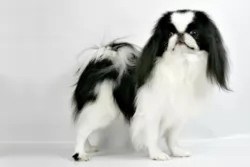 The Japanese Chin is just longing to be your special friend. When you treat him with the love and care he deserves, you'll discover that he is a sweet, gentle companion who will be loyal and loving to his human family.
He is a quiet pet and intelligent enough to be trained and socialized so that he is obedient and ready to please. Although he doesn't bark much, he makes quite a few other noises such as wheezing, snorting and snorting. He makes up for it by being entertaining and loving towards you so that you life is brighter just by having him in it.
 A common genetic condition where the hip joint doesn't fit properly, causing pain and potential arthritis. It can lead to limping or difficulty moving, especially as the dog ages.
The Bagel Hound’s long, floppy ears trap moisture and debris, making them more susceptible to infections. Regular ear cleaning and keeping ears dry can help prevent this issue.
Bagel Hounds love food, and without proper portion control and exercise, they can easily gain weight. Obesity can lead to other health problems like heart disease, joint issues, and reduced life expectancy. Regular exercise and a balanced diet are essential to keep them at a healthy weight.
 There are a few health issues with your Japanese Chin that are worth knowing about such as hypoglycemia, cataracts and heart murmurs. Allergies and dental issues also need to be checked.
Dog breeds with the flattened face always battle with dental-, eye and breathing problems. With good care however, your Japanese Chin can reach anything from 10 – 12 years of age.
Murmurs come about because of a disturbance in the blood flow and which can produce an audible noise. If your dog's murmur is associated with structural heart disease, your dog may display signs of congestive heart failure and he'll be weak for instance and be coughing.
When your dog gets to the vet, the course of treatment will be determined on the type of heart murmur. Luckily puppies with low grade murmurs often grow out of it but if you have an adult dog, routine diagnostic imaging may be recommended by your vet.
 Daily walks help keep them fit, while interactive play sessions like fetch offer mental and physical stimulation. Avoid overexerting them, especially in hot weather, to prevent exhaustion.
Provide a balanced diet with portion control to maintain a healthy weight. Brush their coat weekly to manage shedding, and clean their ears regularly to avoid infections.
Use positive reinforcement during training for best results. Regular vet check-ups ensure they stay healthy, and keeping an eye on their weight helps prevent obesity.
 The Japanese Chin has a single coat, and a brush once or twice a week will keep the coat silky and untangled.
Check his ears for dirt and wax and try to wipe inside the ears, being very, very careful not to go deep into the ear to avoid damage.
Clip his nails and brush his teeth as small dogs are more prone to dental disease. Periodontal disease is preventable with dental cleaning. Dental disease starts when plaque sticks to the surface of the teeth. It hardens, spreads under the gum line and cause tissue damage. It also damages the immune system.
The Japanese Chin is an energetic dog and loves a game and a walk. It isn't the kind of dog that you will take on your hikes or swimming as it tends to huff and puff after a while from too much exercise, and more specifically in hot weather.
Dog experts say that a grain-free food is best for this kind of dog. Kibble which comes with lean protein and with plenty of vitamins and minerals such as taurine and carnitine is recommended. They are good for the joints, coat, heart and eyes. Japanese Chins can be prone to heart- and eye problems and kibble rich in omega 3 fatty acids will be good for the Chin for many excellent reasons.
If you're in any way uncertain about what to feed your Japanese Chin, speak to your vet as the type of food you feed your pet will determine how healthy he will be. Always ensure he has access to fresh, cool water.