 MyDogBreeds
 Bagel Hound is originated from United States but Kangal Dog is originated from Turkey. Bagel Hound may grow 42 cm / 16 inches shorter than Kangal Dog. Bagel Hound may weigh 36 kg / 79 pounds lesser than Kangal Dog. Both Bagel Hound and Kangal Dog has same life span. Both Bagel Hound and Kangal Dog has almost same litter size. Bagel Hound requires Low maintenance. But Kangal Dog requires Moderate maintenance
 The Bagel Hound is a hybrid breed that emerged in the early 2000s by crossing the Beagle and Basset Hound. Both parent breeds have ancient origins—Beagles were bred for hunting small game with their exceptional sense of smell, while Basset Hounds, with their calm demeanor and powerful scenting ability, were also used for hunting.
The Bagel Hound was developed to combine the Beagle’s playful, energetic nature with the Basset Hound’s laid-back, affectionate temperament. Though relatively new, this hybrid quickly became popular for its friendly disposition, moderate energy, and suitability as a family companion.
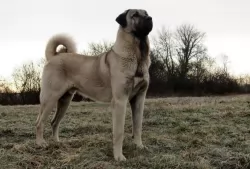 The magnificent looking Kangal Shepherd Dog, a purebred Mastiff type dog, is often referred to as a sheep dog and hails from the Sivas province of Turkey.
The Kangal Dog is a distinct breed and the National Dog of Turkey. These are working dogs who made their appearance in the UK in 1965.
It is interesting to note that in June 2018 the Turkish Kennel Club, Köpek Irklari ve Kinoloji Federasyonu, classifies Kangal Shepherd Dogs to be the same population as the Anatolian Shepherd dog.
 The Bagel Hound is a medium-sized, affectionate hybrid breed resulting from the cross between the Beagle and the Basset Hound. With a sturdy, muscular body and a short, dense coat, this breed combines the best features of its parents.
Typically, a Bagel Hound has a short to medium-length coat that can come in a variety of colors, including tri-color (black, white, and tan), bi-color, or combinations of tan, white, and black. Their face is expressive with long, floppy ears and a soft, gentle gaze, a trait inherited from both parent breeds.
This breed is known for being friendly, affectionate, and playful, making it an excellent companion for families, including those with children or other pets. While generally calm, they do have a stubborn streak due to their strong scenting instincts, so consistent training is important. Despite their playful nature, they are not overly energetic and are typically content with moderate exercise, such as daily walks and playtime.
The Bagel Hound has a balanced temperament—loyal, loving, and a little mischievous—which makes them a popular choice for families and first-time dog owners who are willing to invest in training and care.
 This is a large, heavily boned dog with a big head with a black mask and medium sized floppy ears. Looking at him, he has a Mastiff-like appearance but isn't as heavy as some Mastiff breeds, allowing it more speed and agility.
He stands at roughly 72cm to 85cm male and female, and weighs about 50 to 63kg. He has a solid double coat of dense hair which is a pale tan color.The coat is short and dense. The Kangal Dog is powerful and when he is alert, the long tail is held over the back, otherwise he holds it down with a slight curl.
The Kangal is known for his good looks, but he is also alert, sharp, territorial and confident, while also being calm. These dogs have an instinctive wariness of strange dogs and they are also reserved with strangers but are loving, loyal and protective with their human family.
In fact, the Kangal Shepherd Dog is protective while being gentle with small children and animals. He is an intelligent breed too, and having him trained and socialized won’t be a problem.
It is always a wise move to have a big dog like this trained and socialized, making him obedient and even more amicable than he already is.
 The Bagel Hound is a friendly, affectionate, and playful breed, combining the best traits of its Beagle and Basset Hound parents. They are medium-sized with a sturdy, muscular build, and a short, dense coat. Bagel Hounds are social and enjoy being around people, often following their owners around and seeking attention. They have a gentle, patient nature, making them great with children and other pets.
While they are generally calm, they are also curious and scent-driven, which can make them a bit stubborn and prone to distractions. Their affectionate personality and loyal nature make them great companions, though they benefit from consistent training and exercise.
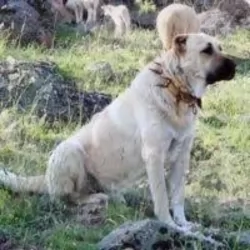 Your Kangal Dog is a big, powerful dog. His very size size won't suit him living in the city in small spaces and tiny gardens. He is far better suited to life in the suburbs or to country life where he can move around easily.
In spite of his size, he is a calm, balanced, independent, protective dog. He may well be aloof towards strangers, but a trained and well-socialized Kangal Dog is friendly, loving and loyal pet with his human family and with visitors to the house.
This is a beautiful dog and it will be an honor to have such a wonderful pet in your home. Treat him well and you're bound to have the most fantastic protector, guardian and friend.
 A common genetic condition where the hip joint doesn't fit properly, causing pain and potential arthritis. It can lead to limping or difficulty moving, especially as the dog ages.
The Bagel Hound’s long, floppy ears trap moisture and debris, making them more susceptible to infections. Regular ear cleaning and keeping ears dry can help prevent this issue.
Bagel Hounds love food, and without proper portion control and exercise, they can easily gain weight. Obesity can lead to other health problems like heart disease, joint issues, and reduced life expectancy. Regular exercise and a balanced diet are essential to keep them at a healthy weight.
 This is most important if you don't intend your Kangal Dog becoming a parent, and is good for the health of your dog.
Your Kangal Dog puppy needs certain vaccinations at certain stages of his life to prevent him from getting some life threatening dog diseases. Keep a check on your dog's health and realize, that although the Kangal Dog is a healthy dog breed, he can develop canine illnesses such as eye diseases, ear infections, bloat, skin allergies and hip dysplasia among others.
Your dog may then require veterinary intervention to heal him of any of these.
To keep your pet happy and healthy, make sure to pick up your dog's faeces every day. This is for your own health's sake too.
 Daily walks help keep them fit, while interactive play sessions like fetch offer mental and physical stimulation. Avoid overexerting them, especially in hot weather, to prevent exhaustion.
Provide a balanced diet with portion control to maintain a healthy weight. Brush their coat weekly to manage shedding, and clean their ears regularly to avoid infections.
Use positive reinforcement during training for best results. Regular vet check-ups ensure they stay healthy, and keeping an eye on their weight helps prevent obesity.
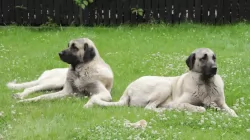 The Kangal Dog can be a wonderful pet in your home, but because you’ve made the decision to bring him into your home, it becomes your responsibility to ensure his happiness and wellbeing.
These ‘care’ tips can help you, particularly if you’re a first time dog owner -
Remember that a puppy will need 4 meals a day of soft, recommended puppy food. By the time your dog reaches his first birthday, one or two meals a day will be good.
There are some top quality commercial manufactured foods to choose from, and the packaging labeling will guide you to which one.
Adding in some home-made food such as nutritious cooked chicken, rice and vegetables will be a treat for your pet and don’t forget some raw meat occasionally too.
Fresh, cool water should be within reach of your pet around the clock.
Dogs need exercise to maintain their lean bodies but it will also stimulate their minds and keep them healthy. The exercise needs of your dog will depend on his size, age, health and breed type. Fun and games as well as daily walks will satisfy your Kangal Dog and keep him content.
Help keep your Kangal Dog looking groomed and cared for. He is a fairly heavy, seasonal shedder. Remove loose hairs with brushing the coat twice a week. Check for fleas and ticks at the same time and for any unusual lumps.
Every dog needs a warm, dry, quiet place to rest and sleep, inside and outside. Make sure that when your dog is outside that he has a place to rest in the shade and sun, as he chooses.