 MyDogBreeds
 Bagel Hound is originated from United States but Karelian Bear Dog is originated from Finland. Bagel Hound may grow 17 cm / 6 inches shorter than Karelian Bear Dog. Both Bagel Hound and Karelian Bear Dog are having almost same weight. Bagel Hound may live 3 years more than Karelian Bear Dog. Both Bagel Hound and Karelian Bear Dog has same litter size. Bagel Hound requires Low maintenance. But Karelian Bear Dog requires Moderate maintenance
 The Bagel Hound is a hybrid breed that emerged in the early 2000s by crossing the Beagle and Basset Hound. Both parent breeds have ancient origins—Beagles were bred for hunting small game with their exceptional sense of smell, while Basset Hounds, with their calm demeanor and powerful scenting ability, were also used for hunting.
The Bagel Hound was developed to combine the Beagle’s playful, energetic nature with the Basset Hound’s laid-back, affectionate temperament. Though relatively new, this hybrid quickly became popular for its friendly disposition, moderate energy, and suitability as a family companion.
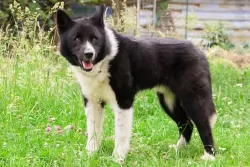 The Karelian Bear Dog is a Finnish Spitz-type dog who is regarded as a national treasure in the country. They have always been noted for their hunting skills, and because the dog has been found in ancient Viking graves you can assume it is an ancient breed.
In fact the ancestry of the dog can be traced to neolithic times, when dogs followed human settlers to regions of Scandinavia and Europe.The American Kennel Club does not fully recognize the Karelian Bear Dog. It is however included in their Foundation Stock Service.
 The Bagel Hound is a medium-sized, affectionate hybrid breed resulting from the cross between the Beagle and the Basset Hound. With a sturdy, muscular body and a short, dense coat, this breed combines the best features of its parents.
Typically, a Bagel Hound has a short to medium-length coat that can come in a variety of colors, including tri-color (black, white, and tan), bi-color, or combinations of tan, white, and black. Their face is expressive with long, floppy ears and a soft, gentle gaze, a trait inherited from both parent breeds.
This breed is known for being friendly, affectionate, and playful, making it an excellent companion for families, including those with children or other pets. While generally calm, they do have a stubborn streak due to their strong scenting instincts, so consistent training is important. Despite their playful nature, they are not overly energetic and are typically content with moderate exercise, such as daily walks and playtime.
The Bagel Hound has a balanced temperament—loyal, loving, and a little mischievous—which makes them a popular choice for families and first-time dog owners who are willing to invest in training and care.
 Standing at between 54–60cm in height and weighing roughly 20–23 kg, the medium sized Karelian Bear Dog has a beautiful shiny coat. The outercoat is shortish, straight and dense and the undercoat is soft and thick.
The color of the coat is black with white markings. The dog has a bushy tail which curls in a circle over the back and the tail’s end is white. The ears of the dog are small and erect while the small eyes are intense.
It is best to have your Karelian Bear dog trained and socialized as he can tend to be aggressive towards other pets in the house, and even towards people he isn't familiar with. The owner of these dogs must be firm and fair with training as the Karelian is a strong-willed dog.
He is devoted to his human owners while being somewhat aloof and unfriendly with strangers. They are very territorial.
He is a very social dog and just loves spending time outdoors with his family. He is also good with children in the home as he is a playful dog.He is a dog who is going to require a lot of space to use up his energy. He needs a lot of mental and physical stimulation, as in the past he has always had a lot of work to do, and just loves being active. He is a confident, brave dog who takes his job as family protector seriously.
 The Bagel Hound is a friendly, affectionate, and playful breed, combining the best traits of its Beagle and Basset Hound parents. They are medium-sized with a sturdy, muscular build, and a short, dense coat. Bagel Hounds are social and enjoy being around people, often following their owners around and seeking attention. They have a gentle, patient nature, making them great with children and other pets.
While they are generally calm, they are also curious and scent-driven, which can make them a bit stubborn and prone to distractions. Their affectionate personality and loyal nature make them great companions, though they benefit from consistent training and exercise.
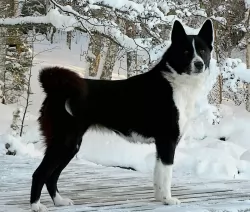 Your energetic Karelian Bear Dog isn’t recommendeded for life in the city in a small garden. He needs a large garden or farm where he can run far and wide.
Exercising him will be an important part if you own one of these dogs. He is a social, friendly, active family pet who happens to make a good watchdog too.
Make sure you have your Karelian Bear Dog trained and socialized and he’ll make you a wonderful friend and pet.
 A common genetic condition where the hip joint doesn't fit properly, causing pain and potential arthritis. It can lead to limping or difficulty moving, especially as the dog ages.
The Bagel Hound’s long, floppy ears trap moisture and debris, making them more susceptible to infections. Regular ear cleaning and keeping ears dry can help prevent this issue.
Bagel Hounds love food, and without proper portion control and exercise, they can easily gain weight. Obesity can lead to other health problems like heart disease, joint issues, and reduced life expectancy. Regular exercise and a balanced diet are essential to keep them at a healthy weight.
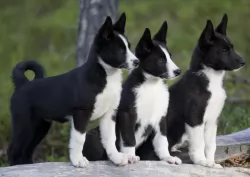 The Karelian Bear Dog can reach 10 to 12 years of age with good care, but just like with other dog breeds, he can be prone to certain health problems such as eye and dental problems as well as hip dysplasia.
Many people don’t realize that dental problems are far more serious than what they imagine. An offensive breath can be the first warning sign of tooth decay with your canine friend.
There are other problems that can develop orally for your dog and these include inflammation of the gums, swollen gums and mouth tumors. You need to brush your pet’s teeth but also see to it that he goes for regular dental check-ups at the vet.
 Daily walks help keep them fit, while interactive play sessions like fetch offer mental and physical stimulation. Avoid overexerting them, especially in hot weather, to prevent exhaustion.
Provide a balanced diet with portion control to maintain a healthy weight. Brush their coat weekly to manage shedding, and clean their ears regularly to avoid infections.
Use positive reinforcement during training for best results. Regular vet check-ups ensure they stay healthy, and keeping an eye on their weight helps prevent obesity.
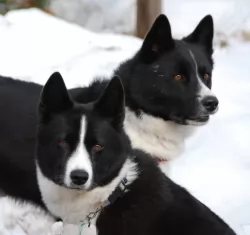 There are many people who just keep a dog for watchdog purposes and fail to make the pet a proper family member by meeting its physical and emotional needs.
Caring for a dog means providing nutritious food and clean drinking water, seeing that he has a warm, dry place to sleep, providing the dog with exercise and ensuring the dog is healthy and content.
Caring for a dog is a big responsibility, and you have to think carefully before you bring a dog into your home and life.
You need to be careful with the food you select for your pet. If you’re feeding him a commercially manufactured food, you need to make sure to read the label and make sure the top ingredients are meat and not meat by-products. If this is something you’ve never thought about, ask your veterinarian for food recommendations.
Speaking of veterinarians, make sure you have a reliable, reputable vet you can call on. At some time or other your pet may get sick and then you want to have the name of a reliable vet in your contacts list on your cell phone. Sometimes your pet can become suddenly sick where he will need immediate, emergency help from the vet.
Just like you look after yourself, you need to look after your pet by brushing him, checking him for fleas, ticks and worms and keeping an eye on his eyes, ears, teeth and general health.