 MyDogBreeds
 Bagel Hound is originated from United States but Kooikerhondje is originated from Netherlands. Both Bagel Hound and Kooikerhondje are having almost same height. Bagel Hound may weigh 16 kg / 36 pounds more than Kooikerhondje. Both Bagel Hound and Kooikerhondje has almost same life span. Both Bagel Hound and Kooikerhondje has almost same litter size. Both Bagel Hound and Kooikerhondje requires Low maintenance.
 The Bagel Hound is a hybrid breed that emerged in the early 2000s by crossing the Beagle and Basset Hound. Both parent breeds have ancient origins—Beagles were bred for hunting small game with their exceptional sense of smell, while Basset Hounds, with their calm demeanor and powerful scenting ability, were also used for hunting.
The Bagel Hound was developed to combine the Beagle’s playful, energetic nature with the Basset Hound’s laid-back, affectionate temperament. Though relatively new, this hybrid quickly became popular for its friendly disposition, moderate energy, and suitability as a family companion.
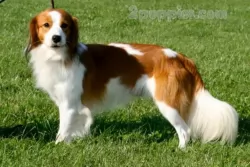 The Kooikerhondje is of Dutch ancestry and is a medium-sized spaniel-type dog breed that has always been a working dog, being used to attract ducks into traps but being bred as an all-purpose dog.
They were particularly sought after in the 17th and 18th century, appearing in paintings of Rembrandt. The breed died out during World War II, but it was rescued by Baroness van Hardenbroek van Ammerstol and recognized by the Dutch Kennel Club.
In January 2018 the Nederlnadse Kooikerhondje is fully recognized by the American Kennel Club, competing in the Sporting Group.
 The Bagel Hound is a medium-sized, affectionate hybrid breed resulting from the cross between the Beagle and the Basset Hound. With a sturdy, muscular body and a short, dense coat, this breed combines the best features of its parents.
Typically, a Bagel Hound has a short to medium-length coat that can come in a variety of colors, including tri-color (black, white, and tan), bi-color, or combinations of tan, white, and black. Their face is expressive with long, floppy ears and a soft, gentle gaze, a trait inherited from both parent breeds.
This breed is known for being friendly, affectionate, and playful, making it an excellent companion for families, including those with children or other pets. While generally calm, they do have a stubborn streak due to their strong scenting instincts, so consistent training is important. Despite their playful nature, they are not overly energetic and are typically content with moderate exercise, such as daily walks and playtime.
The Bagel Hound has a balanced temperament—loyal, loving, and a little mischievous—which makes them a popular choice for families and first-time dog owners who are willing to invest in training and care.
 The Kooikerhondje is a medium sized dog standing at 35 – 40cm at the withers and weighing anything between 9 – 11kg. He has a medium length coat which is a red and white color, with floppy ears.
A distinctive feature with this dog is the black tips of the long ears, and which are referred to as earrings. The coat can be wavy or straight. Typical of spaniel-like dog his plumed white tail moves jauntily, as though always happy. When you look at him he has a gentle expression, while being alert too.
Friendly, content, cheerful, good-natured and quiet – these are some of the words which describe the amicable Kooikerhondje.
He is also intelligent, wanting to please his owner. He is good around children too, but make sure your children are taught to respect and be kind to animals.
The Kooikerhondje is an adaptable dog and can be as as quiet or as jaunty as you want. He is adaptable to city life or life in the country, but he will need to be exercised and taken for walks.
 The Bagel Hound is a friendly, affectionate, and playful breed, combining the best traits of its Beagle and Basset Hound parents. They are medium-sized with a sturdy, muscular build, and a short, dense coat. Bagel Hounds are social and enjoy being around people, often following their owners around and seeking attention. They have a gentle, patient nature, making them great with children and other pets.
While they are generally calm, they are also curious and scent-driven, which can make them a bit stubborn and prone to distractions. Their affectionate personality and loyal nature make them great companions, though they benefit from consistent training and exercise.
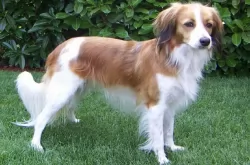 Kooiker, as he’s fondly referred to for short, has a happy personality, and bringing him into your home will be like bringing in some joy and sunshine.
He is a fun, energetic companion and you can count him in for all your outdoor activities such as walk, hikes and swimming. He’ll love to fetch every ball you throw, and that’s because he is such a playful dog.
He is a loving dog too, making a great playmate for children. Treat him like one of the family, and the Kooiker will surprise you with the amount of pleasure he brings.
 A common genetic condition where the hip joint doesn't fit properly, causing pain and potential arthritis. It can lead to limping or difficulty moving, especially as the dog ages.
The Bagel Hound’s long, floppy ears trap moisture and debris, making them more susceptible to infections. Regular ear cleaning and keeping ears dry can help prevent this issue.
Bagel Hounds love food, and without proper portion control and exercise, they can easily gain weight. Obesity can lead to other health problems like heart disease, joint issues, and reduced life expectancy. Regular exercise and a balanced diet are essential to keep them at a healthy weight.
 The lifespan of the Kooikerhondje is about 12 – 14 years, and looked after well, he can be your canine friend for many years.
He loves his food and can put on weight easily, and obesity is one of the health problems he may have to deal with. Kidney- and eye problems might also be something that you may have to deal with with this dog breed, although most unlikely.
Obesity in dogs is very sad because its a disease that can be avoided. Dogs that are over fed are at particular risk because they can't exercise, and this in itself can lead to serious health issues.
There are different causes of obesity, but it is mostly caused by the dog being fed- and eating more than he can expend. Just like with humans, obesity becomes more common in old age as the metabolism slows down. A dog that has been neutered or spayed also tends to put on weight more easily.
If you're unsure what to do for your obese dog, speak to your vet who can recommend a diet for your pet. Remember that with feeding your dog, prevention is better than cure.
Kidney problems, though more common with older dogs, can strike at any age. The kidneys play a host of important functions such as regulating blood pressure. Sometimes kidney failure is slow and the symptoms may not be obvious.
With renal failure, your pet will be lethargic, they will be vomiting, be depressed and have weight loss. Other possible symptoms are increased thirst, blood in the urine and seizures. Chronic renal failure can't be cured but treatment is aimed at making your pet comfortable.
 Daily walks help keep them fit, while interactive play sessions like fetch offer mental and physical stimulation. Avoid overexerting them, especially in hot weather, to prevent exhaustion.
Provide a balanced diet with portion control to maintain a healthy weight. Brush their coat weekly to manage shedding, and clean their ears regularly to avoid infections.
Use positive reinforcement during training for best results. Regular vet check-ups ensure they stay healthy, and keeping an eye on their weight helps prevent obesity.
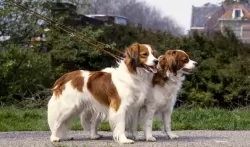 Your Kooikerhondje is smart, happy-go-lucky dog and it is important to know your pet's needs so you can care properly for him. Exercise your Kooikerhondje daily as he is a high-energy dog and even short walks can be good for him.
He absolutely loves balls games too. He can live in the city or the country but will do better when he has the chance for exercise. Urban- and city environments can work if there are nearby parks to cater for his energy.
The Kooikehondje has long hair but he is surprisingly low maintenance and will simply require a brush once or twice a week.
If you love your pet but just can't find the time to see to his grooming needs, take him to the vet for regular checkups to check ears, teeth and eyes. They can come down with problems with the eyes or have some or other skin allergy.
Give your Kooikerhondje the right food, and make sure its the highest quality. If you buy him commercially manufactured food, pay attention to the ingredients list and make sure that proper meat is at the top of the list.
Add cooked chicken, brown rice and vegetables to his dry kibble as a tasty treat sometimes. Learn to recognize the less nutritious ingredients such as wheat or grain. Also learn to avoid foods which are bad for your dog such as chocolate and onions.