 MyDogBreeds
Bagel Hound is originated from United States but Molossus is originated from Greece. Bagel Hound may grow 33 cm / 12 inches shorter than Molossus. Bagel Hound may weigh 28 kg / 61 pounds lesser than Molossus. Both Bagel Hound and Molossus has almost same life span. Both Bagel Hound and Molossus has almost same litter size. Bagel Hound requires Low maintenance. But Molossus requires Moderate maintenance
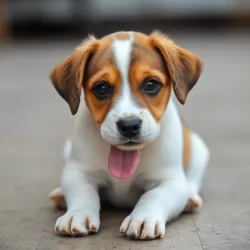 The Bagel Hound is a hybrid breed that emerged in the early 2000s by crossing the Beagle and Basset Hound. Both parent breeds have ancient origins—Beagles were bred for hunting small game with their exceptional sense of smell, while Basset Hounds, with their calm demeanor and powerful scenting ability, were also used for hunting.
The Bagel Hound was developed to combine the Beagle’s playful, energetic nature with the Basset Hound’s laid-back, affectionate temperament. Though relatively new, this hybrid quickly became popular for its friendly disposition, moderate energy, and suitability as a family companion.
The Molossus has always been a popular dog and they have been around since ancient times. Mastiff type dogs are termed as Molossus.
Of course, when looking at the origin of the dog, there are many unsubstantiated claims about it. It has always been believed that the Molossus was a Mastiff-type dog, ferocious in battle. The Romans were dog breeders and recognized that the Molossus was a talented dog – good at guarding and herding.
Over the centuries the dog has changed but it is believed it was a Mastiff-type dog with a number of other breeds included in its origins such as the Rottweiler, Pug, Bulldog, Great Dane, Alano Espanol and Saint Bernard.
The Molossus isn’t a dog breed itself but rather a category that other dogs belong to. Today there are Molosser clubs and Molosser shows around the world.
 The Bagel Hound is a medium-sized, affectionate hybrid breed resulting from the cross between the Beagle and the Basset Hound. With a sturdy, muscular body and a short, dense coat, this breed combines the best features of its parents.
Typically, a Bagel Hound has a short to medium-length coat that can come in a variety of colors, including tri-color (black, white, and tan), bi-color, or combinations of tan, white, and black. Their face is expressive with long, floppy ears and a soft, gentle gaze, a trait inherited from both parent breeds.
This breed is known for being friendly, affectionate, and playful, making it an excellent companion for families, including those with children or other pets. While generally calm, they do have a stubborn streak due to their strong scenting instincts, so consistent training is important. Despite their playful nature, they are not overly energetic and are typically content with moderate exercise, such as daily walks and playtime.
The Bagel Hound has a balanced temperament—loyal, loving, and a little mischievous—which makes them a popular choice for families and first-time dog owners who are willing to invest in training and care.
This Ancient dog breed from Greece has different descriptions of what it really looked like. It seems to have always been large to medium sized dog standing in the region of 50 to 76cm in height and weighing anything from 25 to 55kg.
The coat is mostly short and smooth and can be in a host of different colors. They are large boned dogs, solidly built with medium sized floppy ears, a short, thick neck, short, broad muzzle and a long tail which was later docked.
Molossers typically have heavy bones, pendant ears, and a relatively short and well-muscled neck, with a short, broad muzzle. These Molossers have always been used for a variety of jobs where strength, perseverance, speed and braveness are required. They have been used as rescue- and guard dogs, protecting livestock from predators.
The Molossus dogs all have the same kind of characteristics which have been bred into them. From their working days, they are known for their tremendous courage, taking on wild animals to protect their livestock.
They are territorial, wanting to protect their human family and home from intruders.They have also been bred to be loyal, loving family pets, and being highly affectionate, they want to be involved in the activities of the family.
This breed is gentle and loving, social and active and gets on well with other pets in the home as well as with children. They’re intelligent dogs and will need to be trained and socialized to ensure they are obedient and amicable with visitors to the home.
 The Bagel Hound is a friendly, affectionate, and playful breed, combining the best traits of its Beagle and Basset Hound parents. They are medium-sized with a sturdy, muscular build, and a short, dense coat. Bagel Hounds are social and enjoy being around people, often following their owners around and seeking attention. They have a gentle, patient nature, making them great with children and other pets.
While they are generally calm, they are also curious and scent-driven, which can make them a bit stubborn and prone to distractions. Their affectionate personality and loyal nature make them great companions, though they benefit from consistent training and exercise.
The Molossus, contrary to what many people think, isn’t a vicious dog, but rather a good natured dog that makes a wonderful family pet.
These dogs are known also for being hard working dogs with characteristics of bravery. They are dogs who may look fairly tough, but they are actually gentle, calm and sensitive. It’s a bad upbringing from the owners that gives any dog bad characteristics.
Train your Molossus, have him socialized and be a responsible and loving dog owner, and these dogs promise to make you a splendid family pet.
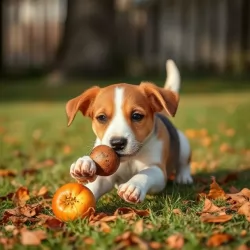 A common genetic condition where the hip joint doesn't fit properly, causing pain and potential arthritis. It can lead to limping or difficulty moving, especially as the dog ages.
The Bagel Hound’s long, floppy ears trap moisture and debris, making them more susceptible to infections. Regular ear cleaning and keeping ears dry can help prevent this issue.
Bagel Hounds love food, and without proper portion control and exercise, they can easily gain weight. Obesity can lead to other health problems like heart disease, joint issues, and reduced life expectancy. Regular exercise and a balanced diet are essential to keep them at a healthy weight.
These large dogs are particularly prone to health issues such as hip dysplasia, a genetic condition. A poor diet as well as environmental factors can contribute towards the disease too as well as rapid weight gain and obesity.
This disease develops because the dog’s hip joints haven’t developed properly. The hips then partially dislocate, and the dog has pain and battles to get around. If your dog shows signs of hip dysplasia, he will need to get to the vet to do a physical exam and come up with a treatment- and management program.
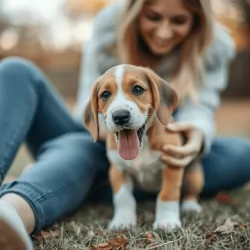 Daily walks help keep them fit, while interactive play sessions like fetch offer mental and physical stimulation. Avoid overexerting them, especially in hot weather, to prevent exhaustion.
Provide a balanced diet with portion control to maintain a healthy weight. Brush their coat weekly to manage shedding, and clean their ears regularly to avoid infections.
Use positive reinforcement during training for best results. Regular vet check-ups ensure they stay healthy, and keeping an eye on their weight helps prevent obesity.
These dogs were bred to be working dogs and they have always spent their time outdoors performing a guarding or rescue role. Today they require a lot of exercise – walks and ball games – as they are dogs with a lot of energy.
Essentially a large breed, the Molossus will need a commercially manufactured food of high quality if you opt to make use of the convenience of these foods.
Make sure to choose one manufactured for large breeds and which is free of a host of bad ingredients such as corn, soy, wheat, dairy, artificial colors, sweeteners and preservatives.
You want dog food which is high in protein and fat. Try and include some home-cooked food such as boiled chicken, brown rice, pasta and vegetables. An ingredient to look out for in your dog’s food is omega-3 fatty acid to help keep the skin and coat shiny and healthy. Puppies particularly benefit from DHA, or Docosahexaenoic acid, a form of omega-3 fatty acid that is good for brain development.
Brushing the dog’s coat twice a week will be necessary to remove loose hairs, especially during the shedding period. When you brush him, check for ticks and fleas and speak to your vet about flea treatment if necessary. Ears and eyes should be checked and cleaned regularly.