 MyDogBreeds
 Bagel Hound is originated from United States but Newfoundland Dog is originated from Canada. Bagel Hound may grow 31 cm / 12 inches shorter than Newfoundland Dog. Bagel Hound may weigh 53 kg / 116 pounds lesser than Newfoundland Dog. Bagel Hound may live 5 years more than Newfoundland Dog. Bagel Hound may have less litter size than Newfoundland Dog. Bagel Hound requires Low maintenance. But Newfoundland Dog requires Moderate maintenance
 The Bagel Hound is a hybrid breed that emerged in the early 2000s by crossing the Beagle and Basset Hound. Both parent breeds have ancient origins—Beagles were bred for hunting small game with their exceptional sense of smell, while Basset Hounds, with their calm demeanor and powerful scenting ability, were also used for hunting.
The Bagel Hound was developed to combine the Beagle’s playful, energetic nature with the Basset Hound’s laid-back, affectionate temperament. Though relatively new, this hybrid quickly became popular for its friendly disposition, moderate energy, and suitability as a family companion.
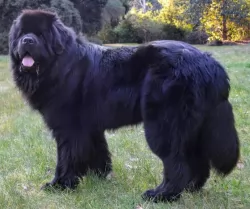 The Newfoundland dog is a large working dog. They were bred and used as a working dog for fishermen in the Dominion of Newfoundland, an eastern province of Canada. With their web feet they were also used for water rescue.
The history of the Newfoundland Dog is unsure, but the breed as we know it today originated from dogs which were brought from Newfoundland to England in the early 1800's.
The Newfoundland Club was founded in 1886 so as to promote the breed.
 The Bagel Hound is a medium-sized, affectionate hybrid breed resulting from the cross between the Beagle and the Basset Hound. With a sturdy, muscular body and a short, dense coat, this breed combines the best features of its parents.
Typically, a Bagel Hound has a short to medium-length coat that can come in a variety of colors, including tri-color (black, white, and tan), bi-color, or combinations of tan, white, and black. Their face is expressive with long, floppy ears and a soft, gentle gaze, a trait inherited from both parent breeds.
This breed is known for being friendly, affectionate, and playful, making it an excellent companion for families, including those with children or other pets. While generally calm, they do have a stubborn streak due to their strong scenting instincts, so consistent training is important. Despite their playful nature, they are not overly energetic and are typically content with moderate exercise, such as daily walks and playtime.
The Bagel Hound has a balanced temperament—loyal, loving, and a little mischievous—which makes them a popular choice for families and first-time dog owners who are willing to invest in training and care.
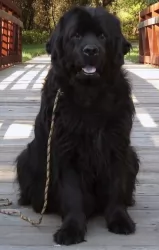 The Newfoundland is a large dog standing at between 63cm to 74cm, both male and female. Weight can vary from 45kg to 80kg.
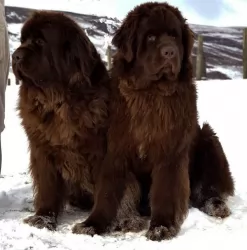
He has a double coat of medium-length straight hair and the hair can be black, brown or gray. Although it is common for the Newfoundland to have a solid-colored coats, you will sometimes find small patches of white on their chest, toes, or at the tip of the tail. Then again you get the less common Newfoundlands where the coat is white with some black markings and these are known as Landseers.
The outer coat is coarse, oily and water-resistant quality, suited to a dog that loves to spend time in the water. The head is broad and large with small ears that he keeps lying close to his head. The tail is long and plumed and the feet are wide with webbing between the toes which aids him with swimming.
As with many large dogs, the Newfoundland is docile and his sheer size makes it that he is best suited to life in the countryside as opposed to living in the city. This is also because this particular dog wants to be close to water where he can swim.
He is a trustworthy, loyal dog and will get on well with children and pets in the home. Training and socialization is always recommended for any dog, but a big dog can often ‘get in the way’ indoors and you want him to lie down or sit when you tell him to. He is an intelligent dog so will respond well to training.
 The Bagel Hound is a friendly, affectionate, and playful breed, combining the best traits of its Beagle and Basset Hound parents. They are medium-sized with a sturdy, muscular build, and a short, dense coat. Bagel Hounds are social and enjoy being around people, often following their owners around and seeking attention. They have a gentle, patient nature, making them great with children and other pets.
While they are generally calm, they are also curious and scent-driven, which can make them a bit stubborn and prone to distractions. Their affectionate personality and loyal nature make them great companions, though they benefit from consistent training and exercise.
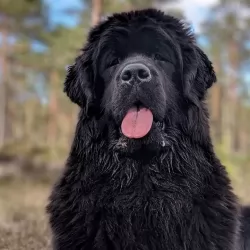 Your beautiful, cuddly puppy will soon become a giant dog with a big appetite. Don’t just buy a cute puppy if you can’t afford to feed him properly and you can’t give him lots of attention.
Your dog will also be shedding, so be aware of these aspects before you bring a large Newfoundland into your home. He is a gentle dog, but his size could be worrisome if he isn’t trained, socialized and supervised.
Newfoundlands are amicable dogs, and while he may like to spend times indoors with you relaxing, he is a working dog and will require exercise and activities for mind and body.
Give this giant of a dog a loving home, and you will have a special, devoted friend like no other.
 A common genetic condition where the hip joint doesn't fit properly, causing pain and potential arthritis. It can lead to limping or difficulty moving, especially as the dog ages.
The Bagel Hound’s long, floppy ears trap moisture and debris, making them more susceptible to infections. Regular ear cleaning and keeping ears dry can help prevent this issue.
Bagel Hounds love food, and without proper portion control and exercise, they can easily gain weight. Obesity can lead to other health problems like heart disease, joint issues, and reduced life expectancy. Regular exercise and a balanced diet are essential to keep them at a healthy weight.
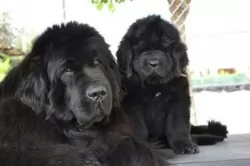 The Newfoundland can be prone to serious health conditions such as hip dysplasia and gastric torsion. Deep chested dog breeds like the New Foundland are susceptible to bloat, a life threatening condition where the stomach swells, it can twist and the dog can die if help isn’t available. He will be salivating, restless and whining while also trying to vomit.
Giant breeds are also prone to elbow and hip dysplasia, a genetic problem which can ultimately affect your dog’s mobility.
When in any doubt about your pet’s health, get him to the vet.
 Daily walks help keep them fit, while interactive play sessions like fetch offer mental and physical stimulation. Avoid overexerting them, especially in hot weather, to prevent exhaustion.
Provide a balanced diet with portion control to maintain a healthy weight. Brush their coat weekly to manage shedding, and clean their ears regularly to avoid infections.
Use positive reinforcement during training for best results. Regular vet check-ups ensure they stay healthy, and keeping an eye on their weight helps prevent obesity.
 Your dog’s coat will need to be brushed at least twice a week as he is a heavy shedder.
Do the nails of your dog as soon as they start getting long. Long nails can hook on things and cause injury to the dog’s paw area.
This is a dog with floppy ears so check inside the ears to prevent ear infections, more so because this is a water-loving dog. The dampness inside the ears can cause bacteria.
This is a giant breed and sadly, they have the shortest lifespans. You want to make sure that you keep your giant breed as healthy as possible to ensure he reaches the 10 or so years allotted to him and to also prevent health problems.
Make sure your giant breed puppy and adult has the very highest quality commercially manufactured food to ensure he gets the right balance of nutrients in. This food also makes sure that your puppy rather grows at a slower rate and stronger as opposed to growing too quickly. Rapid growth comes with joint problems.
All dogs, large and small, don’t want exotic, strange food that upsets their stomachs. They want consistency and simplicity and they want tasty food. Give him some homemade food such as cooked chicken, brown rice or pasta and some vegetables such as sweet potato, carrots and spinach. You can add this occasionally to his dry kibble.
Add in some raw meat from time to time too. Your pet will be strong, healthy, happy and content.