 MyDogBreeds
 Bagel Hound is originated from United States but Norfolk Terrier is originated from United Kingdom. Bagel Hound may grow 17 cm / 7 inches higher than Norfolk Terrier. Bagel Hound may weigh 21 kg / 47 pounds more than Norfolk Terrier. Both Bagel Hound and Norfolk Terrier has same life span. Bagel Hound may have more litter size than Norfolk Terrier. Bagel Hound requires Low maintenance. But Norfolk Terrier requires Moderate maintenance
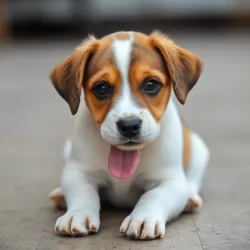 The Bagel Hound is a hybrid breed that emerged in the early 2000s by crossing the Beagle and Basset Hound. Both parent breeds have ancient origins—Beagles were bred for hunting small game with their exceptional sense of smell, while Basset Hounds, with their calm demeanor and powerful scenting ability, were also used for hunting.
The Bagel Hound was developed to combine the Beagle’s playful, energetic nature with the Basset Hound’s laid-back, affectionate temperament. Though relatively new, this hybrid quickly became popular for its friendly disposition, moderate energy, and suitability as a family companion.
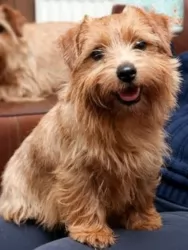 It was in the 1880s that a working terrier was developed in eastern England. The Norfolk Terrier was developed by crossing local terrier-like dogs with the Irish Terrier breed as well as small red terriers.
Known first as the Cantab Terrier and then later as the Trumpington Terrier, the name changed further but in 1932, the Norwich was accepted into the English Kennel Club and the first written standard was created.
The Norfolk Terrier was recognized by the United Kennel Club in 1979. It has gained recognition as an independent breed but is a variety of the Norwich Terrier, distinguished from it by having floppy ears and not erect ears. Both the Norfolk- and Norwich are the smallest of the working terriers.
 The Bagel Hound is a medium-sized, affectionate hybrid breed resulting from the cross between the Beagle and the Basset Hound. With a sturdy, muscular body and a short, dense coat, this breed combines the best features of its parents.
Typically, a Bagel Hound has a short to medium-length coat that can come in a variety of colors, including tri-color (black, white, and tan), bi-color, or combinations of tan, white, and black. Their face is expressive with long, floppy ears and a soft, gentle gaze, a trait inherited from both parent breeds.
This breed is known for being friendly, affectionate, and playful, making it an excellent companion for families, including those with children or other pets. While generally calm, they do have a stubborn streak due to their strong scenting instincts, so consistent training is important. Despite their playful nature, they are not overly energetic and are typically content with moderate exercise, such as daily walks and playtime.
The Bagel Hound has a balanced temperament—loyal, loving, and a little mischievous—which makes them a popular choice for families and first-time dog owners who are willing to invest in training and care.
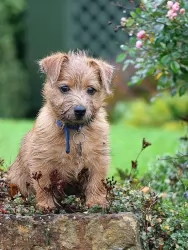 The Norfolk Terrier is a small purebred dog, standing at 23 to 25cm in height and weighing roughly between 4.5kg and 6kg. The dog has a wire-haired coat which can be in different colors such as wheaten, red, black and grey or grizzle.
The hair on his head and ears is shorter and smoother and he has longer whiskers and eyebrows. The chest is deep, the front legs are short and straight and the tail has always been docked to half its length but left long these days. The tail is set high and carried erect.
Norfolks are feisty, fearless dogs with an independent streak. They’re gentle though, and when it comes to being a companion dog, they get on well with children and other pets. They thrive on their human family’s companionship and wouldn’t do well at all if they were constantly left outside.
They’re not yappy dogs but will bark occasionally so he can sound the alarm if strangers approach.
This little dog is able to live in the city or the countryside, but just because he is little, you can’t neglect his exercise needs. He will most certainly need to be exercised every day and taken for walks as he is an energetic, lively dog. He is intelligent too and easy to train and socialize, turning him into such an obedient, pleasurable pet.
 The Bagel Hound is a friendly, affectionate, and playful breed, combining the best traits of its Beagle and Basset Hound parents. They are medium-sized with a sturdy, muscular build, and a short, dense coat. Bagel Hounds are social and enjoy being around people, often following their owners around and seeking attention. They have a gentle, patient nature, making them great with children and other pets.
While they are generally calm, they are also curious and scent-driven, which can make them a bit stubborn and prone to distractions. Their affectionate personality and loyal nature make them great companions, though they benefit from consistent training and exercise.
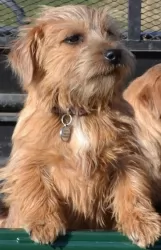 Fearless and brave, the Norfolk Terrier promises to be a wonderful companion.
They're social, loving dogs and want to be part of the household. He is lively and active too and wants to be included in your walks and your games. He loves nothing more than to be running across a field after a ball.
They’re such amicable pets that they make great dogs for first-time dog owners. Let him into your heart and your home – he makes such a splendid pet – that once you’ve had one, you’ll realize you can never be without such a wonderful pet and companion again.
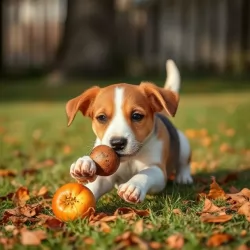 A common genetic condition where the hip joint doesn't fit properly, causing pain and potential arthritis. It can lead to limping or difficulty moving, especially as the dog ages.
The Bagel Hound’s long, floppy ears trap moisture and debris, making them more susceptible to infections. Regular ear cleaning and keeping ears dry can help prevent this issue.
Bagel Hounds love food, and without proper portion control and exercise, they can easily gain weight. Obesity can lead to other health problems like heart disease, joint issues, and reduced life expectancy. Regular exercise and a balanced diet are essential to keep them at a healthy weight.
 The life expectancy of your Norfolk Terrier is 8 to 14 years, but there are some who have received excellent care and who have reached 17 years of age.
Just as with any other dog, they are prone to common dog illnesses, and these can include dental issues and mitral valve disease. They also are prone to hip dysplasia, and according to the Orthopedic Foundation for Animals (OFA) they are known for problematic hips.
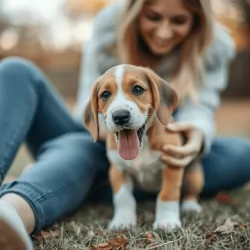 Daily walks help keep them fit, while interactive play sessions like fetch offer mental and physical stimulation. Avoid overexerting them, especially in hot weather, to prevent exhaustion.
Provide a balanced diet with portion control to maintain a healthy weight. Brush their coat weekly to manage shedding, and clean their ears regularly to avoid infections.
Use positive reinforcement during training for best results. Regular vet check-ups ensure they stay healthy, and keeping an eye on their weight helps prevent obesity.
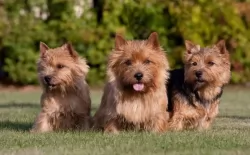 The Norfolk Terrier’s hard, wiry, straight coat requires being hand stripped about twice a year by hand or with a stripping knife. The paws will also need to be trimmed.
It is recommended to keep the hair short around the anus for hygienic purposes and the tail itself will need to be stripped.
The Norfolk doesn’t shed his coat naturally, and the hair keeps growing, making the dog uncomfortable and ungroomed looking. The dog will certainly need to have his hair kept away from around the eyes.
If you don’t want to strip your dog, there are people who take their dogs to professional groomers, but then this professional grooming makes it that the texture of the dog’s coat changes from wiry to soft.
Small dogs are prone to dental problems, so check your dog’s teeth regularly. A bad tooth can play havoc with your dogs general health.
As with any other dog, the Norfolk Terrier will do well on high-quality kibble, specially formulated for small dog breeds. For a tasty treat, boil some chicken and vegetables such as sweet potato, carrots and spinach in a pot, chop them up and add to his kibble with some brown rice and pasta. A tiny bit of raw meat added in occasionally is all this little dog needs to stay healthy and content.
Don’t ‘treat’ him by giving him chocolates, chips and peanuts. You will upset his stomach. Dogs do best on simply, healthy, tasty diets such as mentioned above. Make sure he has a constant supply of fresh, cool water.