 MyDogBreeds
 Bagel Hound is originated from United States but Saarlooswolfhond is originated from Netherlands. Bagel Hound may grow 32 cm / 12 inches shorter than Saarlooswolfhond. Bagel Hound may weigh 18 kg / 39 pounds lesser than Saarlooswolfhond. Bagel Hound may live 3 years more than Saarlooswolfhond. Both Bagel Hound and Saarlooswolfhond has almost same litter size. Both Bagel Hound and Saarlooswolfhond requires Low maintenance.
 The Bagel Hound is a hybrid breed that emerged in the early 2000s by crossing the Beagle and Basset Hound. Both parent breeds have ancient origins—Beagles were bred for hunting small game with their exceptional sense of smell, while Basset Hounds, with their calm demeanor and powerful scenting ability, were also used for hunting.
The Bagel Hound was developed to combine the Beagle’s playful, energetic nature with the Basset Hound’s laid-back, affectionate temperament. Though relatively new, this hybrid quickly became popular for its friendly disposition, moderate energy, and suitability as a family companion.
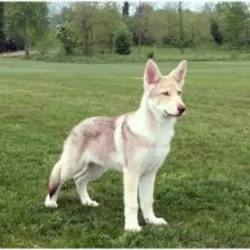 Dutch breeder Leendert Saarloos began to breed German Shepherds to a European wolf. His goal was to bring out a dog that was more hard working.
The Dutch Kennel Club recognized this dog breed in 1975, and to give honor to the breeder, they gave the name to the dog - Saarloos Wolfdog. The dog was also recognized by the Federation Cynologique Internationale.
Today the Saarloos is regarded as a pet and companion. It was in 2015 that a study found that this dog showed more genetic association with the gray wolf.
 The Bagel Hound is a medium-sized, affectionate hybrid breed resulting from the cross between the Beagle and the Basset Hound. With a sturdy, muscular body and a short, dense coat, this breed combines the best features of its parents.
Typically, a Bagel Hound has a short to medium-length coat that can come in a variety of colors, including tri-color (black, white, and tan), bi-color, or combinations of tan, white, and black. Their face is expressive with long, floppy ears and a soft, gentle gaze, a trait inherited from both parent breeds.
This breed is known for being friendly, affectionate, and playful, making it an excellent companion for families, including those with children or other pets. While generally calm, they do have a stubborn streak due to their strong scenting instincts, so consistent training is important. Despite their playful nature, they are not overly energetic and are typically content with moderate exercise, such as daily walks and playtime.
The Bagel Hound has a balanced temperament—loyal, loving, and a little mischievous—which makes them a popular choice for families and first-time dog owners who are willing to invest in training and care.
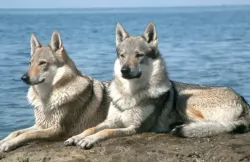
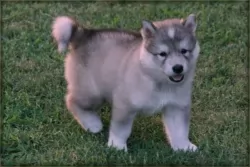 The Saarloos Wolfdog is a large dog standing at between 60–75cm male and female and weighing between 30 and 45kg. He is athletic and muscular with a short, dense coat. Colors are wolf-grey, white and red. The Saarloos has wolf-like expressions so the ears are erect, the muzzle pointed and the tail long and plumed. They eyes are a yellow color. The face is bright and alert, showing how intelligent he is.
The Saarloos Wolfhound is full of energy so will be looking toward his owner to come up with good exercise for him.
A walk will always be welcome, but for such a lively dog, he’ll want something more energetic such as a hike, swimming, being allowed to run off his leash in the park and lots of vigorous ball- and rope games.
He is an independent dog and for this reason you’ll want him trained and socialized to make him obedient. He is loyal and loving but some of his wolf-like characteristics might mean that he isn’t a good choice for the first-time dog owner. If the first time dog owner is firm, consistent, strong and kind, then everything will be alright.
 The Bagel Hound is a friendly, affectionate, and playful breed, combining the best traits of its Beagle and Basset Hound parents. They are medium-sized with a sturdy, muscular build, and a short, dense coat. Bagel Hounds are social and enjoy being around people, often following their owners around and seeking attention. They have a gentle, patient nature, making them great with children and other pets.
While they are generally calm, they are also curious and scent-driven, which can make them a bit stubborn and prone to distractions. Their affectionate personality and loyal nature make them great companions, though they benefit from consistent training and exercise.
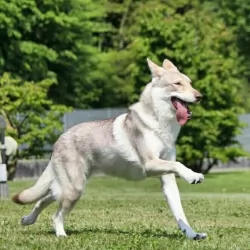 The Saarloos Wolfhound is a beautiful wolf-like dog that is full of life and energy. When you bring him into your life, you’re going to to have a wonderful addition to your family.
He is an independent dog that is strong-willed so it pays to have him trained and socialized, and then he becomes a balanced, well mannered dog that is loving and loyal with his beloved human family.
 A common genetic condition where the hip joint doesn't fit properly, causing pain and potential arthritis. It can lead to limping or difficulty moving, especially as the dog ages.
The Bagel Hound’s long, floppy ears trap moisture and debris, making them more susceptible to infections. Regular ear cleaning and keeping ears dry can help prevent this issue.
Bagel Hounds love food, and without proper portion control and exercise, they can easily gain weight. Obesity can lead to other health problems like heart disease, joint issues, and reduced life expectancy. Regular exercise and a balanced diet are essential to keep them at a healthy weight.
 A well bred Saarloos Wolfhound is regarded as very healthy, and with good care they can reach up to 12, 13, 14 or 15 years of age.
This is a common canine disease which comes about when a dog’s hip joints don’t develop properly. For a dog diagnosed with hip dyslasia it can be painful lying down and getting around.
Hip dysplasia is a genetic condition, but diet also plays a part as well as environmental factors. All dogs breeds are susceptible to hip dysplasia. Try and avoid your dog putting on too much weight as then it puts excessive strain on the joints. There are different treatment options to make it more comfortable for your pet.
 Daily walks help keep them fit, while interactive play sessions like fetch offer mental and physical stimulation. Avoid overexerting them, especially in hot weather, to prevent exhaustion.
Provide a balanced diet with portion control to maintain a healthy weight. Brush their coat weekly to manage shedding, and clean their ears regularly to avoid infections.
Use positive reinforcement during training for best results. Regular vet check-ups ensure they stay healthy, and keeping an eye on their weight helps prevent obesity.
 He’s an active dog so he will need a good dose of exercise to keep that muscular, lean look.
You will need to brush the dense double coat twice a week to ensure the removal of loose hairs and to keep the coat shiny and glossy. Trim his nails and check inside his mouth as he can’t tell you when he has a rotten tooth which can cause a lot of pain.
Feed puppies 4x a day.
Puppies 6 months on can have 2 meals a day.
Always feed your dog premium-quality dry food. Twice a week you can add home-made food to the dry kibble as a tasty treat. Add boiled chicken, brown rice or pasta and spinach, sweet potatoes and carrots. This food can all be chopped up and a portion added to the kibble. The rest can be frozen and then a portion warmed up for another meal.
Try and add some raw meat to his food occasionally as this helps to keep skin problems at bay.
Ensure there is always a bowl of fresh, cool water within his reach.
Your pet needs a warm, dry, comfortable place to sleep to call his own.
If your dog spends a lot of time outdoors, make sure there is both shade and sun.
Spaying and Neutering – beneficial if you don’t want puppies.
Vaccinations for puppies and adults to stave off deadly canine diseases.