 MyDogBreeds
 Bagel Hound is originated from United States but Shikoku is originated from Japan. Bagel Hound may grow 16 cm / 7 inches higher than Shikoku. Bagel Hound may weigh 26 kg / 57 pounds lesser than Shikoku. Both Bagel Hound and Shikoku has same life span. Both Bagel Hound and Shikoku has almost same litter size. Bagel Hound requires Low maintenance. But Shikoku requires Moderate maintenance
 The Bagel Hound is a hybrid breed that emerged in the early 2000s by crossing the Beagle and Basset Hound. Both parent breeds have ancient origins—Beagles were bred for hunting small game with their exceptional sense of smell, while Basset Hounds, with their calm demeanor and powerful scenting ability, were also used for hunting.
The Bagel Hound was developed to combine the Beagle’s playful, energetic nature with the Basset Hound’s laid-back, affectionate temperament. Though relatively new, this hybrid quickly became popular for its friendly disposition, moderate energy, and suitability as a family companion.
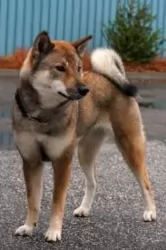 The Shikoku is from the Shikoku Island in Japan and they are very much like the Japanese Shiba Inu. There are six native Japanese dog breeds and the Shikoku is medium sized and sits in between the smaller Shiba Inu and the very large Akita Inu. All of the Japanese native breeds are members of the Spitz family. The Japanese have sorted their six breeds into 3 categories by size. Being medium size, the Shikoku is a member of the Shika-inus group. Others in this group are the Ainu Ken, the Kai Ken and the Kishu Inu. There are small differences between the three dogs in the Shika-inus group.
The Shikoku was bred to be a hunting dog in Kochi Prefecture to hunt boar and deer. Other names for the breed include Kochi-ken and Kishu dog or boar hound. This dog is considered to be the purest of the Japanese native dogs or Nihoken. They are today very , very rare. There are very few outsides of Japan, but some in North America are attempting to save the breed.
The are od Kochi Prefecture is a mountainous region with rough terrain that anyone outside of the area would have a hard time accessing. That is why the Shikoku is considered to be so pure as they were pretty well isolated in the mountains. The breeders were also isolated by the mountains and there was very little interbreeding. Although breeding the same dog, these different groups developed different lines of the Shikoku.
Documentation tells us that the number of originals lines was just two and these were the Western and Eastern Shikoku. The Western dog was known as the Mount Ishizuchi Shikoku and the Eastern as the Mount Tsurugi Shikoku. Within these two lines of Shikoku there are additional strains.
Within the Eastern line there is the Tokushima (lya) and the Koci-Aki strains. Within the Western line there is the Hata Uwahara, the Ehime-ken Shuso-gun and the Honkawa. Among these lines and strains, there are different coats and different colors; some heavier and some taller, but all figure into the development of the breed.
Finally, in the Showa Era the Japanese established the Dog Protective League and they began collecting the native dogs from around the country. They protected them so that the breed will go on. The Shikoku is today recognized as Foundation Stock by the AKC and it is fully recognized by the Japan Kennel Club, the Canadian Hound Club and the Shikoku has been declared a living Japanese “natural monument”.
Two bloodlines became the way the Shikoku were know after the war – the Honkawa and the Hata lines The Honkawa line were the descendants of the Choshun-go and the Hata line were the descendants of the Matsukaze-go. They bred the lines separately until 1955, when they mixed them to make the breed stronger. They are no longer considered separate in any way.
Because they are such primitive dogs, the Shikoku are good watch dogs and quite reserved with strangers. They need a lot of socialization to be a family pet but once they are, they make great companions. Intelligent, quick to learn and eager to please. Of the two lines of Shikoku dogs from the Western strains, the current Shikoku owes much of its current development to the Honkawa and Hata strains.
 The Bagel Hound is a medium-sized, affectionate hybrid breed resulting from the cross between the Beagle and the Basset Hound. With a sturdy, muscular body and a short, dense coat, this breed combines the best features of its parents.
Typically, a Bagel Hound has a short to medium-length coat that can come in a variety of colors, including tri-color (black, white, and tan), bi-color, or combinations of tan, white, and black. Their face is expressive with long, floppy ears and a soft, gentle gaze, a trait inherited from both parent breeds.
This breed is known for being friendly, affectionate, and playful, making it an excellent companion for families, including those with children or other pets. While generally calm, they do have a stubborn streak due to their strong scenting instincts, so consistent training is important. Despite their playful nature, they are not overly energetic and are typically content with moderate exercise, such as daily walks and playtime.
The Bagel Hound has a balanced temperament—loyal, loving, and a little mischievous—which makes them a popular choice for families and first-time dog owners who are willing to invest in training and care.
 Today’s Shikoku is a medium sized breed with a Spitz like body – square with a head that is wedge shaped. The ears are pointed, and the tail is curved and feathered. They have arched toes and hard pads with dark, hard nails.
The two lines of the Shikoku are slightly different in built and look. The Honkawa strain is slender and athletic; agile and single coated. They have dark eyes and most of them are black and tan.
On the other hand, the Hata strain is much heavier boned, with the front more muscular than the rear. They have small ears, a wide skull and a strong undercoat. His eyes are shaped differently than the Honkawa. Their coats are also mostly red and tan.
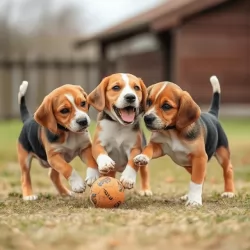 The Bagel Hound is a friendly, affectionate, and playful breed, combining the best traits of its Beagle and Basset Hound parents. They are medium-sized with a sturdy, muscular build, and a short, dense coat. Bagel Hounds are social and enjoy being around people, often following their owners around and seeking attention. They have a gentle, patient nature, making them great with children and other pets.
While they are generally calm, they are also curious and scent-driven, which can make them a bit stubborn and prone to distractions. Their affectionate personality and loyal nature make them great companions, though they benefit from consistent training and exercise.
 A common genetic condition where the hip joint doesn't fit properly, causing pain and potential arthritis. It can lead to limping or difficulty moving, especially as the dog ages.
The Bagel Hound’s long, floppy ears trap moisture and debris, making them more susceptible to infections. Regular ear cleaning and keeping ears dry can help prevent this issue.
Bagel Hounds love food, and without proper portion control and exercise, they can easily gain weight. Obesity can lead to other health problems like heart disease, joint issues, and reduced life expectancy. Regular exercise and a balanced diet are essential to keep them at a healthy weight.
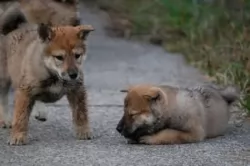 Being isolated as they were, the Shikoku was a fairly healthy breed, no genetic testing has been done. Despite this they suffer a few of the same potential issues as other breeds their size.
Otherwise this is an agile and hardy breed with no known congenital health issues.
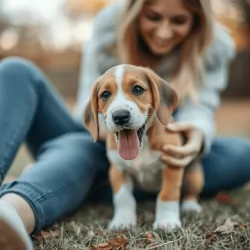 Daily walks help keep them fit, while interactive play sessions like fetch offer mental and physical stimulation. Avoid overexerting them, especially in hot weather, to prevent exhaustion.
Provide a balanced diet with portion control to maintain a healthy weight. Brush their coat weekly to manage shedding, and clean their ears regularly to avoid infections.
Use positive reinforcement during training for best results. Regular vet check-ups ensure they stay healthy, and keeping an eye on their weight helps prevent obesity.
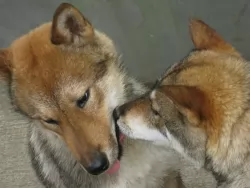 Feeding the puppy Be careful with feeding the puppy and adult as the breed is known to have a tendency toward obesity. Fresh food is better as it is what the breed has been used to, but a high quality puppy kibble is acceptable. Feed three times per day.
2.Feeding the adult He is a high energy dog so feed a high energy food designed for a medium sized dog. Feed in two meals each day.
4. Games and Exercises You will need a fenced yard for this breed and time to play with them. If not, you would need time to walk her more than once a day. They love to play indoors as well, chasing balls, learning new things. The breed make great companions for hiking, swimming, play frisbee or catch outside. They do well at agility, rally, obedience and flyball.
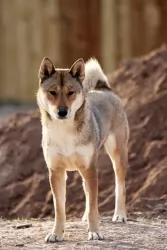 1.Children friendliness – They might be a little aloof with children. They are hunters.