 MyDogBreeds
 Bagel Hound is originated from United States but Staffordshire Bull Terrier is originated from United Kingdom. Both Bagel Hound and Staffordshire Bull Terrier are having almost same height. Bagel Hound may weigh 10 kg / 23 pounds more than Staffordshire Bull Terrier. Both Bagel Hound and Staffordshire Bull Terrier has same life span. Both Bagel Hound and Staffordshire Bull Terrier has almost same litter size. Both Bagel Hound and Staffordshire Bull Terrier requires Low maintenance.
 The Bagel Hound is a hybrid breed that emerged in the early 2000s by crossing the Beagle and Basset Hound. Both parent breeds have ancient origins—Beagles were bred for hunting small game with their exceptional sense of smell, while Basset Hounds, with their calm demeanor and powerful scenting ability, were also used for hunting.
The Bagel Hound was developed to combine the Beagle’s playful, energetic nature with the Basset Hound’s laid-back, affectionate temperament. Though relatively new, this hybrid quickly became popular for its friendly disposition, moderate energy, and suitability as a family companion.
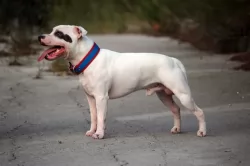 The Staffordshire Bull Terrier was first developed in the northern sections of Birmingham and in Staffordshire, England. The Staffie is a cross between a Black and Tan Terrie and the Bulldog, but had other breeds crossed in over time in order to create a bull-baiting dog and a fighting dog. In the Victorian age these sports were banned but dog fighting went underground and continues on some level today.
The Staffordshire Bull Terrier was exceptional at these “sports” due to his build, power and jaw strength. Today’s Staffie is a descendent of those early Bull Terrier crosses. Together with the Bull Terrier and the American Pit Bull, the Staffie also traces its roots back to those original English Bully dogs. All three breeds have the Bulldog in common.
After dog fighting and bull baiting were banned the Stafforshire Bull Terrier was further developed as a companion and pet. Still their reputation as fighting dogs cost them recognition in the official kennel clubs for some time. They finally made the UK registry in 1935, but it was not until 1974 that the American Kennel Club (AKC) accepted them.
 The Bagel Hound is a medium-sized, affectionate hybrid breed resulting from the cross between the Beagle and the Basset Hound. With a sturdy, muscular body and a short, dense coat, this breed combines the best features of its parents.
Typically, a Bagel Hound has a short to medium-length coat that can come in a variety of colors, including tri-color (black, white, and tan), bi-color, or combinations of tan, white, and black. Their face is expressive with long, floppy ears and a soft, gentle gaze, a trait inherited from both parent breeds.
This breed is known for being friendly, affectionate, and playful, making it an excellent companion for families, including those with children or other pets. While generally calm, they do have a stubborn streak due to their strong scenting instincts, so consistent training is important. Despite their playful nature, they are not overly energetic and are typically content with moderate exercise, such as daily walks and playtime.
The Bagel Hound has a balanced temperament—loyal, loving, and a little mischievous—which makes them a popular choice for families and first-time dog owners who are willing to invest in training and care.
 The Staffordshire is a muscular, stocky and unusually strong breed, small to medium size in height and build. They have broad, powerful chests, wide set, strong legs, strong shoulders, broad head with a fairly short muzzle. Their ears are not cropped but they are short and fold over. The coat is stiff, close and short and the tail is medium and carried low. Most Staffies are brown, but they can be red, brindle with white, fawn, black, white or blue.
 The Bagel Hound is a friendly, affectionate, and playful breed, combining the best traits of its Beagle and Basset Hound parents. They are medium-sized with a sturdy, muscular build, and a short, dense coat. Bagel Hounds are social and enjoy being around people, often following their owners around and seeking attention. They have a gentle, patient nature, making them great with children and other pets.
While they are generally calm, they are also curious and scent-driven, which can make them a bit stubborn and prone to distractions. Their affectionate personality and loyal nature make them great companions, though they benefit from consistent training and exercise.
 1.Children friendliness The breed adores children but care should still be taken because they are so strong and their jaws are so powerful.
2.Special talents they adore children and they one of the most powerful jaws among canines.
 A common genetic condition where the hip joint doesn't fit properly, causing pain and potential arthritis. It can lead to limping or difficulty moving, especially as the dog ages.
The Bagel Hound’s long, floppy ears trap moisture and debris, making them more susceptible to infections. Regular ear cleaning and keeping ears dry can help prevent this issue.
Bagel Hounds love food, and without proper portion control and exercise, they can easily gain weight. Obesity can lead to other health problems like heart disease, joint issues, and reduced life expectancy. Regular exercise and a balanced diet are essential to keep them at a healthy weight.
 • Patella luxation otherwise known as a slipped kneecap- can cause pain and some lameness.
• Skin allergies and even a tendency toward Mange which is chronic in some forms and fatal in others.
• Like most active dogs their size, they are susceptible to bloat which can be fatal if not treated immediately.
 Daily walks help keep them fit, while interactive play sessions like fetch offer mental and physical stimulation. Avoid overexerting them, especially in hot weather, to prevent exhaustion.
Provide a balanced diet with portion control to maintain a healthy weight. Brush their coat weekly to manage shedding, and clean their ears regularly to avoid infections.
Use positive reinforcement during training for best results. Regular vet check-ups ensure they stay healthy, and keeping an eye on their weight helps prevent obesity.
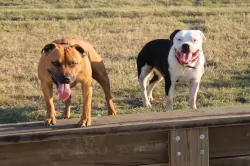 1.Feeding the puppy Don’t over feed as he grows fast. Feed a high quality dog food for medium size puppies. Feed 1-2 and a quarter cups in 3-4 meals per day.
2.Feeding the adult Don’t exercise right before or after eating due to potential for bloat. Feed 1-2 times a day a high quality medium breed dog food.
4. Games and Exercises They are terriers after all and they dig. Need a fairly large yard with a strong fence. They love to play ball, frisbee and can excel at cart pulling.