 MyDogBreeds
 Bagel Hound is originated from United States but Styrian Coarse Haired Hound is originated from Austria. Bagel Hound may grow 10 cm / 3 inches shorter than Styrian Coarse Haired Hound. Bagel Hound may weigh 9 kg / 20 pounds more than Styrian Coarse Haired Hound. Both Bagel Hound and Styrian Coarse Haired Hound has almost same life span. Both Bagel Hound and Styrian Coarse Haired Hound has almost same litter size. Bagel Hound requires Low maintenance. But Styrian Coarse Haired Hound requires High maintenance
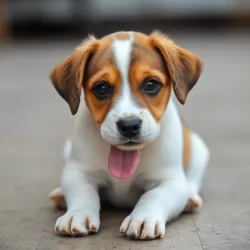 The Bagel Hound is a hybrid breed that emerged in the early 2000s by crossing the Beagle and Basset Hound. Both parent breeds have ancient origins—Beagles were bred for hunting small game with their exceptional sense of smell, while Basset Hounds, with their calm demeanor and powerful scenting ability, were also used for hunting.
The Bagel Hound was developed to combine the Beagle’s playful, energetic nature with the Basset Hound’s laid-back, affectionate temperament. Though relatively new, this hybrid quickly became popular for its friendly disposition, moderate energy, and suitability as a family companion.
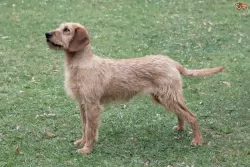 The Styrian Coarse Haired Hound is a German hound, a medium sized breed that was found to originate in Styria in Austria. It was bred to be a boar hunting scent hound in the mountains. The breed is an Austrian Bracke and one of the largest. In the 1870’s the breed was developed by Karl Peintinger to get a hardy, rough coated hunting dog. Peintinger took the Istrian Hound and an old type scent hound of Hanoverian and continued selective breeding until he got the dog he wanted.
The breed is still used to hunt boar and track wounded animals. They work in high altitudes and rough terrains. They were not created to be companion animals and most of them are still working dogs. They do not make great house or family pets. Because of these circumstances, the breed is rare today.
Sometimes you will see the breed called the Peintinger Bracke after its developer. The Austrian Kennel Club recognized the breed in 1889 and the Federation Cynologique Internationale as a scent hound. The Styrian Coarse Haired Hounds were next recognized in 2006 by the United Kennel Club in North America, but not the AKC – American Kennel Club. There are many smaller kennel clubs and organizations for the breed as well many hunting clubs.
As mentioned, the breed is the largest of the Austrian Brackes. They are one of the three breeds included in the Grand Brackes. The name comes from the fact that all these dogs were developed for hunting in the Austrian mountains. They are pretty much unknown in the rest of the world. They thrive in the harsh climates of the Austrian mountains.
 The Bagel Hound is a medium-sized, affectionate hybrid breed resulting from the cross between the Beagle and the Basset Hound. With a sturdy, muscular body and a short, dense coat, this breed combines the best features of its parents.
Typically, a Bagel Hound has a short to medium-length coat that can come in a variety of colors, including tri-color (black, white, and tan), bi-color, or combinations of tan, white, and black. Their face is expressive with long, floppy ears and a soft, gentle gaze, a trait inherited from both parent breeds.
This breed is known for being friendly, affectionate, and playful, making it an excellent companion for families, including those with children or other pets. While generally calm, they do have a stubborn streak due to their strong scenting instincts, so consistent training is important. Despite their playful nature, they are not overly energetic and are typically content with moderate exercise, such as daily walks and playtime.
The Bagel Hound has a balanced temperament—loyal, loving, and a little mischievous—which makes them a popular choice for families and first-time dog owners who are willing to invest in training and care.
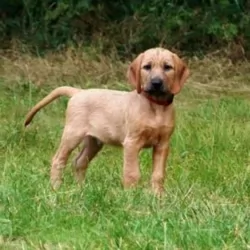 The Styrian Coarse haired Hound is well muscled, medium sized and lithe. They run easily on all types and levels of terrain. Their coat is rough and harsh, giving the breed part of its name. They can tolerate both extremes of the climate temperatures. They are strong and confident dogs wearing a very serious facial expression. These guys are all about the job – the hunt. Their prey drive is extremely high.
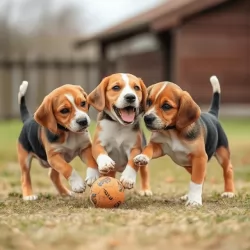 The Bagel Hound is a friendly, affectionate, and playful breed, combining the best traits of its Beagle and Basset Hound parents. They are medium-sized with a sturdy, muscular build, and a short, dense coat. Bagel Hounds are social and enjoy being around people, often following their owners around and seeking attention. They have a gentle, patient nature, making them great with children and other pets.
While they are generally calm, they are also curious and scent-driven, which can make them a bit stubborn and prone to distractions. Their affectionate personality and loyal nature make them great companions, though they benefit from consistent training and exercise.
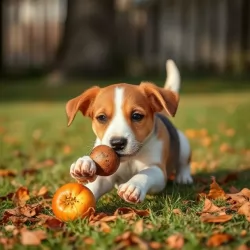 A common genetic condition where the hip joint doesn't fit properly, causing pain and potential arthritis. It can lead to limping or difficulty moving, especially as the dog ages.
The Bagel Hound’s long, floppy ears trap moisture and debris, making them more susceptible to infections. Regular ear cleaning and keeping ears dry can help prevent this issue.
Bagel Hounds love food, and without proper portion control and exercise, they can easily gain weight. Obesity can lead to other health problems like heart disease, joint issues, and reduced life expectancy. Regular exercise and a balanced diet are essential to keep them at a healthy weight.
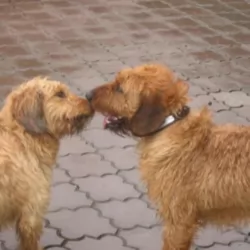 The breed is fairly healthy and isolated from crossbreeding. They are susceptible to several major conditions.
• PRA or Progressive Retinal Atrophy = a group of degenerative, genetic eye diseases the cause blindness over time.
• Bloat – most large dogs suffer from this and not so much a medium breed like this one, but it is a condition that their energy levels and work ethics could lead to. Fatal if not treated immediately.
 Daily walks help keep them fit, while interactive play sessions like fetch offer mental and physical stimulation. Avoid overexerting them, especially in hot weather, to prevent exhaustion.
Provide a balanced diet with portion control to maintain a healthy weight. Brush their coat weekly to manage shedding, and clean their ears regularly to avoid infections.
Use positive reinforcement during training for best results. Regular vet check-ups ensure they stay healthy, and keeping an eye on their weight helps prevent obesity.
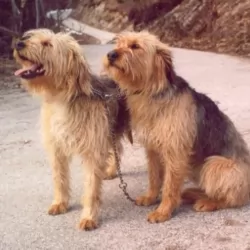 1Feeding the puppy – Feed this very active breed a high quality dog food for medium sized dogs. Feed puppies 3-4 times a day a total of ¾ to 1 cup.
2.Feeding the adult - feed this very active breed a high quality, high protein diet. Feed the adult 1-2 times a day a total of 1.6 cups of dry food.
4. Games and Exercises They are energetic, athletic and extremely agile. They are muscular and lithe and need a lot of exercise. The is a dog that can travel across rough terrain for hours at a time. They are tenacious hunters and need an outlet for that prey drive.
They need space and time to run. A large yard is great because you don’t want to take them to a dog park. Give them a lot of toys and puzzles. They excel at lure coursing, field trials and hunting trials. Their sense of smell makes them great at nose work and they like agility, tracking and rally obedience.