 MyDogBreeds
 Bagel Hound is originated from United States but Tibetan Mastiff is originated from China. Bagel Hound may grow 40 cm / 15 inches shorter than Tibetan Mastiff. Bagel Hound may weigh 63 kg / 138 pounds lesser than Tibetan Mastiff. Both Bagel Hound and Tibetan Mastiff has almost same life span. Both Bagel Hound and Tibetan Mastiff has almost same litter size. Bagel Hound requires Low maintenance. But Tibetan Mastiff requires Moderate maintenance
 The Bagel Hound is a hybrid breed that emerged in the early 2000s by crossing the Beagle and Basset Hound. Both parent breeds have ancient origins—Beagles were bred for hunting small game with their exceptional sense of smell, while Basset Hounds, with their calm demeanor and powerful scenting ability, were also used for hunting.
The Bagel Hound was developed to combine the Beagle’s playful, energetic nature with the Basset Hound’s laid-back, affectionate temperament. Though relatively new, this hybrid quickly became popular for its friendly disposition, moderate energy, and suitability as a family companion.
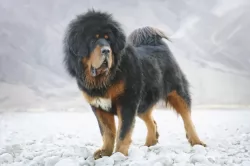 The Tibetan Mastiff is still considered to be a primitive breed originating in Tibet centuries ago. The breed was developed to guard property and livestock. They still do this as well as being a much loved family dog and a show dog as well. There is very little history that is documented for the breed prior to the 19th century.
Believed to be centuries old with ancestors who are mastiff like dogs that developed into two different types of Tibetan Mastiffs. These types are the Tsang-Khyi and the Do-Khyi. The Tsang Khyi were guardians for Tibetan monks, while the Tsang-Khyi guarded flocks for nomadic shepherds and in villages.
The first Tibetan Mastiff was imported in 1847 to England and presented as a gift to Wueen Victoria, from India’s Viceroy. By 1873 there was an English Kennel Club and the breed was labeled a large dog from Tibet and entered into the EKC Stud Book.
The next year the future King Edward VII, brought another two Tibetan Mastiffs to the United Kingdom to show in 1875. The first breed club began in 1931. The world wars interfered and no new dogs were imported to England until 1976. Two dogs were given to the President of the United States in the late 1950’sbut were not bred and it wasn’t until 1970 that any more were imported. The US Tibetan Mastiff Club was not founded until 1974 and they were first entered in a National Specialty show in 1979.
In 2007 the AKC recognized the breed as a working dog since 2007. It’s hard to find a purebred Tibetan Mastiff in Tibet anymore.
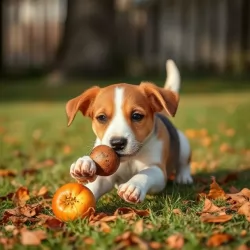
 The Bagel Hound is a medium-sized, affectionate hybrid breed resulting from the cross between the Beagle and the Basset Hound. With a sturdy, muscular body and a short, dense coat, this breed combines the best features of its parents.
Typically, a Bagel Hound has a short to medium-length coat that can come in a variety of colors, including tri-color (black, white, and tan), bi-color, or combinations of tan, white, and black. Their face is expressive with long, floppy ears and a soft, gentle gaze, a trait inherited from both parent breeds.
This breed is known for being friendly, affectionate, and playful, making it an excellent companion for families, including those with children or other pets. While generally calm, they do have a stubborn streak due to their strong scenting instincts, so consistent training is important. Despite their playful nature, they are not overly energetic and are typically content with moderate exercise, such as daily walks and playtime.
The Bagel Hound has a balanced temperament—loyal, loving, and a little mischievous—which makes them a popular choice for families and first-time dog owners who are willing to invest in training and care.
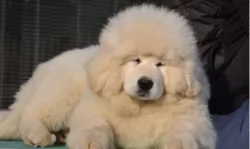 Both types of Mastiffs can be present in the same litter, so that both larger and smaller pups are present. Both types are well-muscled and structured. Today’s dogs being developed in China and the West are much larger than the previous ones. These dogs would be less useful to the nomads and cost too much to feed. Today’s dog is very large with a large head and a long double coat. This coat can be black, brown, gold, and blue, with or without tan markings. There are now a few white Tibetan Mastiffs being bread.
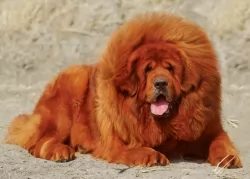
The breed standard for the Mastiff is different in the West than in the East. In the East the breed is broken into two categories – the Lion Head and the Tiger head.
 The Bagel Hound is a friendly, affectionate, and playful breed, combining the best traits of its Beagle and Basset Hound parents. They are medium-sized with a sturdy, muscular build, and a short, dense coat. Bagel Hounds are social and enjoy being around people, often following their owners around and seeking attention. They have a gentle, patient nature, making them great with children and other pets.
While they are generally calm, they are also curious and scent-driven, which can make them a bit stubborn and prone to distractions. Their affectionate personality and loyal nature make them great companions, though they benefit from consistent training and exercise.
 With extreme caution and only if raised together
Guard dog
Not good. No apartments and cant deal with heat
Highly intelligent very stubborn and independent
 A common genetic condition where the hip joint doesn't fit properly, causing pain and potential arthritis. It can lead to limping or difficulty moving, especially as the dog ages.
The Bagel Hound’s long, floppy ears trap moisture and debris, making them more susceptible to infections. Regular ear cleaning and keeping ears dry can help prevent this issue.
Bagel Hounds love food, and without proper portion control and exercise, they can easily gain weight. Obesity can lead to other health problems like heart disease, joint issues, and reduced life expectancy. Regular exercise and a balanced diet are essential to keep them at a healthy weight.
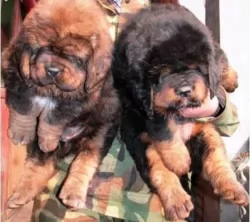 Though considered a primitive dog and isolated for several centuries, so they should not have as many genetic or inherited conditions as other dogs with more cross and in-breeding. These are the potential health issues they might develop:
Elbow and Hip dysplasia – can lead to lameness and arthritis.
OCD Osteochondrois Dissecans – this is also an orthopedic condition when the soft tissue growth is abnormal in the joints. It is painful and the joint is stiff. Don’t breed a dog that has this condition.
Panosteitis – Canine growing pains. Inflammation of the long bones in large dogs as they grow. They will eventually out grow it. Pain can be managed through medication.
Autoimmune Hypothyroidism – Hormone deficiency leading to flaky skin, weight gain and lack of energy. Can be managed through medication.
Canine Inherited Demyelinative Neuropathy – If your Tibetan Mastiff is going to have this condition, they will have it by six weeks of age. Weakness in the hind legs leading to paralysis.
Bloat – deadly if not treated immediately and related to dietary habits.
 Daily walks help keep them fit, while interactive play sessions like fetch offer mental and physical stimulation. Avoid overexerting them, especially in hot weather, to prevent exhaustion.
Provide a balanced diet with portion control to maintain a healthy weight. Brush their coat weekly to manage shedding, and clean their ears regularly to avoid infections.
Use positive reinforcement during training for best results. Regular vet check-ups ensure they stay healthy, and keeping an eye on their weight helps prevent obesity.
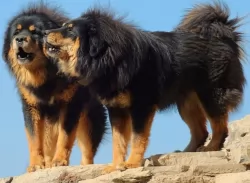 Don’t feed the puppy too much protein as you want to prevent Panosteitis and growing too quickly. Do not overfeed. Feed 4-5 cups of high quality large breed puppy food in 3-4 meals day.
4 to 6 or more cups of a high-quality dog food daily, divided into two meals. To avoid bloat do not feed before or after vigorous exercise.
Calm and laid back when inside.
They need 20-30 minutes of vigorous exercise and play daily. They prefer to play with other large dogs.