 MyDogBreeds
 Bagel Hound is originated from United States but West Siberian Laika is originated from Russia. Bagel Hound may grow 18 cm / 7 inches shorter than West Siberian Laika. Both Bagel Hound and West Siberian Laika are having almost same weight. Both Bagel Hound and West Siberian Laika has almost same life span. Both Bagel Hound and West Siberian Laika has almost same litter size. Both Bagel Hound and West Siberian Laika requires Low maintenance.
 The Bagel Hound is a hybrid breed that emerged in the early 2000s by crossing the Beagle and Basset Hound. Both parent breeds have ancient origins—Beagles were bred for hunting small game with their exceptional sense of smell, while Basset Hounds, with their calm demeanor and powerful scenting ability, were also used for hunting.
The Bagel Hound was developed to combine the Beagle’s playful, energetic nature with the Basset Hound’s laid-back, affectionate temperament. Though relatively new, this hybrid quickly became popular for its friendly disposition, moderate energy, and suitability as a family companion.
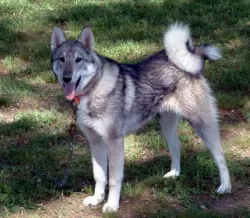 The West Siberian Laika come from the Khanty and Mansi tribes of West Siberia and Ural. They are a primitive breed used for hunting and come from the spitz and wolf lines. They retain many of their primitive looks and traits to this day. They were pre-historic companions to human hunters and remain so today in the northern regions of the Russia. They were never sled dogs but pure hunters throughout their journey to a domesticated breed. They hunted in the forests of the mountainous regions and were adapted to hunting in the woods. When their prey was hunted almost to extinction, the Laikas were also in danger of disappearing.
From the early days of the 1900’s through the first World War, there were several campaigns to save the WSL from extinction. A breed standard was developed around the 1930’s. Following the war the breeding programs became more uniformed and followed the standard that was in place. World War II disrupted it again, but once again it was resumed after the war.
The breed was once again threatened by industrialization and deforestation in the early 20th century, as they were replaced by newer, more popular breeds. There were thought to be dozens of aboriginal Laikas with various groups attached to different groups of indigenous hunters.
Following the second World War and the ever increasing detail of breed standards, the Laikas were divided into four pure bred groupings: the West Siberian Laika, the East Siberian Laika, the Russ-European Laika and the Karelo-Finnish Laika. All of these breeds are Laikas because they are bark pointing hunters.
They were imported to the U.S. in the early 1990’s by a Russian immigrant. Vladmir Beregovoy is credited with bringing the breed to the States. There are now about 300-400 West Siberian Laika’sin the U.S. They are a very emotional breed, very in touch with his human’s feelings, habits and intentions. He is a barker for sure who hates to be left alone. An intense breed with the need for companionship and a purpose. They will do anything to escape a pen if left alone for long periods of time.
The breed is protective of its people with other animals and some are wary of strangers. He needs an active family to match his active spirit. They will bark at all wild life including all the squirrels in your yard. So if don’t want a “barker”, don’t get a West Siberian Laika.
They are recognized by the United Kennel Club, the American Canine Association the Dog Registry of American and the Federation Cynologique Internationale
 The Bagel Hound is a medium-sized, affectionate hybrid breed resulting from the cross between the Beagle and the Basset Hound. With a sturdy, muscular body and a short, dense coat, this breed combines the best features of its parents.
Typically, a Bagel Hound has a short to medium-length coat that can come in a variety of colors, including tri-color (black, white, and tan), bi-color, or combinations of tan, white, and black. Their face is expressive with long, floppy ears and a soft, gentle gaze, a trait inherited from both parent breeds.
This breed is known for being friendly, affectionate, and playful, making it an excellent companion for families, including those with children or other pets. While generally calm, they do have a stubborn streak due to their strong scenting instincts, so consistent training is important. Despite their playful nature, they are not overly energetic and are typically content with moderate exercise, such as daily walks and playtime.
The Bagel Hound has a balanced temperament—loyal, loving, and a little mischievous—which makes them a popular choice for families and first-time dog owners who are willing to invest in training and care.
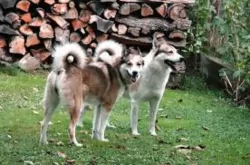
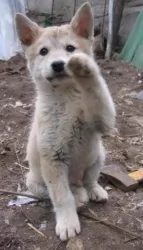 The WSL comes from the Spitz line and also directly descendent from the wolf. They look and act a lot like a wolf in many ways. They have retained much of their primitive traits. With a pointed, long muzzle, an almost square head, and square body, they have wolf colored coats of gray and red. They are mostly medium in size but some can be smaller or larger. Their head is shaped like a wedge, their eyes are typical almond shape and set deep in their head. They are brown or even darker. The muzzle is almost as long as the skull. Their lips are thin and black. The ears are straight up and pricked.
They have bodies longer than they are tall with a lot of musculature. They carry their tail high over their backs. With straight legs and forward feet, with gray, red and white coats, they still look like wild dogs.
 The Bagel Hound is a friendly, affectionate, and playful breed, combining the best traits of its Beagle and Basset Hound parents. They are medium-sized with a sturdy, muscular build, and a short, dense coat. Bagel Hounds are social and enjoy being around people, often following their owners around and seeking attention. They have a gentle, patient nature, making them great with children and other pets.
While they are generally calm, they are also curious and scent-driven, which can make them a bit stubborn and prone to distractions. Their affectionate personality and loyal nature make them great companions, though they benefit from consistent training and exercise.
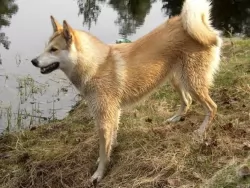 3.Adaptability This is not really an apartment dog though he can adapt. He needs outdoor space to run everyday. So if in an apartment find a dog park for everyday use.
4.Learning ability – Highly trainable and very smart. Independent thinker though might cause some issues.
 A common genetic condition where the hip joint doesn't fit properly, causing pain and potential arthritis. It can lead to limping or difficulty moving, especially as the dog ages.
The Bagel Hound’s long, floppy ears trap moisture and debris, making them more susceptible to infections. Regular ear cleaning and keeping ears dry can help prevent this issue.
Bagel Hounds love food, and without proper portion control and exercise, they can easily gain weight. Obesity can lead to other health problems like heart disease, joint issues, and reduced life expectancy. Regular exercise and a balanced diet are essential to keep them at a healthy weight.
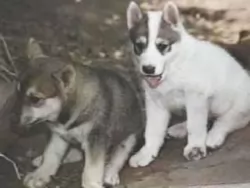 Health wise there are no genetic health issues known today. Since they were so wild, primitive and isolated there was not a lot of inbreeding to any standards. There are however some interesting health facts about the WSL.
• Females only come into estrus once a year, usually in the late winter. They are usually one to two or two and a half years old when this happens. The Russians who know them best frown on breeding them before they are at least two.
• They are subject to many of the same parasites and some diseases like any other canine. But they are not susceptable to any illness specific to their breed.
• Hunting accidents might bet he biggest health threat this breed faces at the moment.
• However with more dogs being bred for the show ring, this could all change and genetic issues could begin to pop up for them.
 Daily walks help keep them fit, while interactive play sessions like fetch offer mental and physical stimulation. Avoid overexerting them, especially in hot weather, to prevent exhaustion.
Provide a balanced diet with portion control to maintain a healthy weight. Brush their coat weekly to manage shedding, and clean their ears regularly to avoid infections.
Use positive reinforcement during training for best results. Regular vet check-ups ensure they stay healthy, and keeping an eye on their weight helps prevent obesity.
 performance, working dog food. High in protein and fat is needed to maintain their lean muscle. Don’t over feed them as they will become obese and they will be unhappy if their physical activities are restricted, even if by their own weight. Be sure you break up their day’s food amount into 3-4 smaller meals.
2.Feeding the adult – Almost everything is equally true for the adult. They need a high protein and high fat food – a high performance food. Don’t over feed and give them at least 2 meals per day.
3.Points for Good Health – as previously mentioned this is a hardy and robust breed,
4. Games and Exercises They need a lot of exercise, have a strong prey drive and are very intelligent. A dog with those traits that does not get enough exercise will drive you crazy if he is not stimulated.