 MyDogBreeds
 English Cocker Spaniel is originated from United Kingdom but American Pit Bull Terrier is originated from United States. English Cocker Spaniel may grow 13 cm / 5 inches shorter than American Pit Bull Terrier. English Cocker Spaniel may weigh 14 kg / 30 pounds lesser than American Pit Bull Terrier. Both English Cocker Spaniel and American Pit Bull Terrier has same life span. English Cocker Spaniel may have less litter size than American Pit Bull Terrier. English Cocker Spaniel requires Moderate maintenance. But American Pit Bull Terrier requires Low maintenance
 The English Cocker Spaniel has a rich history that dates back to at least the 14th century in England. Originally bred as a bird hunting dog, the breed's name "Cocker" comes from their specialization in hunting the woodcock bird.
Early spaniels, including the Cocker, were used as gun dogs to flush out and retrieve game. Over time, they were developed into a smaller, more agile hunter, distinct from other spaniels like the English Springer Spaniel.
By the 19th century, breeders in England focused on enhancing the breed's stamina, agility, and hunting instincts, while also fostering a gentle temperament. The English Cocker Spaniel became recognized as a separate breed from the American Cocker Spaniel in the early 20th century. Though originally bred for fieldwork, the breed’s affectionate nature and beautiful, silky coat led to its growing popularity as a companion dog.
Today, the English Cocker Spaniel is cherished both as a working dog and a family pet, known for its friendly, playful, and loyal personality.
 The history of the American Pit Bull Terrier might be a confusing one to some dog lovers and certainly to the general public that tends to lump all the “bully” breeds into a category called “pit bull”. This is because of the negative reputation this group of breeds has acquired over the past 30-50 years due to misuse and mis-breeding by the dog fighting industry. This categorization includes the American Pit Bull Terrier, The American Staffordshire Terrier, the Bull Terrier and the Staffordshire Bull Terrier.
There is major confusion and disagreement on the difference between the American Pit Bull Terrier and the American Staffordshire Terrier. The AKC does not recognize the American Pit Bull Terrier as a separate breed, but its founder and the UKC, ADBA do so. In the 1930’s the American Pit Bull Terrier was a recognized breed and in response to the negativity of pit-fighting, they renamed it as the American Staffordshire Terrier.
The American Pit Bull Terrier was developed to be a little larger in size than the Staffordshire in both height and weight. This breed comes from crossing various Bull and Terrier breed to get a working dog. The Amstaff for the most part is bred to be a show dog and is not usually a “street dog” used in dog fighting rings. The direct ancestors of the APBT are the Old English Bulldogs and the Old English Terriers. These dogs are great family dogs, gentle beyond comparison unless raised to fight. They make great therapy dogs as well as police dogs. They are not by nature cruel, aggressive or attack dogs.
Both professional confirmation breeders and street fight breeds have developed new strains of the American Pit Bull Terrier. A few are worth mentioning here.
One of the oldest strains of the American Pit Bull Terrier they are red in color and that red is a very unique tone. They have a copper colored coat and nose with red nails, red lips and amber or red eyes. These dogs were originally from Ireland and when they came to America they had the red nose. Originally bred for gameness, it is the red color that is sought after now.
These are another old breed, but they have black noses and were initially bred by John P. Colby in the late 1800s. These dogs were known to be indominable fighting dogs and were bred into almost every line of American Pit Bull Terriers that exist today. The line is still maintained by the Colby family.
 The English Cocker Spaniel is a medium-sized, elegant, and compact dog known for its beautiful coat and gentle nature. With a graceful, athletic build, it has a slightly wavy, silky coat that is longer on the ears, legs, chest, and belly, giving the dog a refined appearance.
Their large, expressive eyes and long, floppy ears add to their charming look. Typically, they stand between 15 to 17 inches (38 to 43 cm) tall and weigh between 26 to 34 pounds (12 to 15.5 kg), with males being slightly larger than females.
This breed is known for its friendly, affectionate nature, making it a beloved family companion. The English Cocker Spaniel is also energetic, requiring regular exercise and mental stimulation, and is well-suited for active families.
Originally bred as a bird hunting dog, they have a strong instinct for retrieving and a keen sense of smell. Despite their hunting background, they are also social and adaptable, getting along well with other pets and children.
Their eager-to-please attitude makes them trainable, though they do require consistency. Overall, the English Cocker Spaniel is a loving, playful, and loyal dog that thrives in a family environment.
 True to their reputation as fighters, the American Pit Bull Terrier looks like one – powerful, strong and well built. This belies their gentle disposition but too often they are judged by their looks. With a broad, brick shaped head, thick neck and deep chest, they are stocky, muscular and agile. They usually have cropped ears, but the tails are not docked. Their legs are strong and hindquarters especially muscular. These dogs are much stronger than they look. Round soulful eyes are one of the traits that people who keep these dogs as companion animals love about them. They have a scissor bite and one of the strongest jaws of all domesticated canines.
 The English Cocker Spaniel is a medium-sized, graceful breed known for its friendly and affectionate nature. Standing between 15 to 17 inches tall and weighing between 26 to 34 pounds, they have a silky, slightly wavy coat with longer feathering on their ears, chest, legs, and belly, giving them an elegant appearance.
Their large, expressive eyes and long, floppy ears further enhance their charm. These dogs are gentle, playful, and social, forming strong bonds with their families and getting along well with children and other pets. Energetic and active, they enjoy regular exercise like walks, playtime, and sometimes swimming.
Smart and eager to please, they are relatively easy to train, though they may show a bit of independence at times. Loyal and loving, they seek companionship and attention from their owners. While generally healthy, English Cocker Spaniels can be prone to certain health issues like ear infections, hip dysplasia, and progressive retinal atrophy. Overall, they make excellent companions for active families or individuals due to their affectionate, energetic, and loyal temperament.
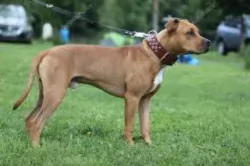 For those who live with the American Pit Bull Terrier there is no better dog. The APBT loves people and loves children. They think they are lap dogs, and they certainly are watch dogs. They love their people but their barks at strangers at home are not because they are protecting their people but rather they are greeting the strangers into their home. Unfortunately, they will not greet another dog in the same way. However, when their people are seriously threatened they will give their lives to defend them.
These are strong, confident dogs who want to please their people. They love children and make great family dogs but require a strong owner and a strong pack leader. The need to be under control around other dogs and because of their strength, need a strong owner. It is their aggression towards other animals that must be controlled.
 The English Cocker Spaniel is generally healthy, but like all breeds, it can be prone to certain health issues:
Ear Infections: Their long ears can trap moisture, leading to infections. Regular cleaning is essential.
Hip Dysplasia: A hereditary condition where the hip joint doesn’t develop properly, leading to arthritis and pain.
Progressive Retinal Atrophy (PRA): A genetic condition causing progressive vision loss.
The English Cocker Spaniel is generally healthy, but like all breeds, it can be prone to certain health issues:
Ear Infections: Their long ears can trap moisture, leading to infections. Regular cleaning is essential.
Hip Dysplasia: A hereditary condition where the hip joint doesn’t develop properly, leading to arthritis and pain.
Progressive Retinal Atrophy (PRA): A genetic condition causing progressive vision loss.
Cataracts: Cloudiness in the lens of the eye, common in older dogs. Autoimmune Disorders: Conditions like immune-mediated hemolytic anemia. Heart Issues: Mitral valve disease in older dogs. Obesity: Prone to weight gain if not properly exercised or fed. Regular vet visits, proper diet, and exercise help manage these conditions.
 Though the American Pit Bull Terrier is healthier than most large dogs, they do have an issue with hip dysplasia. Breeders have been working to breed this out of the APBT and their work in this area has helped with the other issues with the patella, heart and thyroid. The APBT can have skin allergies and Demodex Mange. This condition can be either deadly or just a localized skin issue. Immunizations and testing is essential for this breed. When not immunized, American Pit Bull Terrier puppies have a greater incidence of parvovirus than other breeds. They also might have cataracts and congenital heart disease.
 Caring for an English Cocker Spaniel involves meeting their physical, emotional, and grooming needs. They are an active breed, so it’s important to provide daily exercise—a walk or play session for about 30 to 60 minutes will keep them happy and healthy. Mental stimulation is equally important, so be sure to provide toys, puzzles, and training sessions to keep their mind engaged.
Grooming is essential for this breed, as their long, silky coat needs to be brushed 2–3 times a week to prevent matting, especially around the ears and legs. Regular ear cleaning is also important to avoid infections, and they should be bathed every 4–6 weeks using a gentle dog shampoo.Nail trimming every 3–4 weeks and teeth brushing a few times a week will help maintain their overall health.
Their diet should consist of high-quality food tailored to their age, size, and activity level, with fresh water always available. Regular vet visits for vaccinations and health check-ups are crucial, and you should be vigilant for any signs of illness like ear infections or limping. Additionally, early socialization and positive reinforcement training will ensure they grow into well-rounded, obedient companions. By providing consistent care and attention to their physical and emotional needs, your English Cocker Spaniel will thrive as a loyal and loving member of the family.
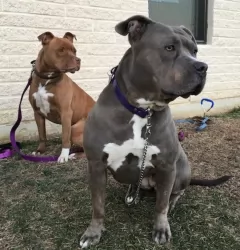 How you feed your American Pit Bull Terrier puppy is important to her health as an adult and long life. The adult dog should be fed one and a half to two and a half cups of high quality food twice a day. Puppies should be fed more often as they grow. DO not feed your APBT soft or canned dog food. Their food should be dry. Be careful not to feed too much as you do not want an obese American Pit Bull Terrier.
As previously mentioned this is a healthy breed with problems with:
These are usually inherited, and the pup may show signs early, or they could be developed later in life. They can be removed.
Hip dysplasia as in many larger, stronger breeds this can be a major problem. Breeds should test for it and APBT breeders are attempting to breed it out of the APBT.
This is a congenital issue that breeders are also breeding against and if they have it your American Bit Bull Terrier was likely born with it.
Many APBT are allergic to grasses or out outside allergens. Shots or medication can deal with these.
This is an athletic, joyful breed that loves to play, love sports and loves any activity that bonds it with its family. Some of the many sports the American Pit Bull Terrier likes to participate in include: agility, obedience competition, weight pulling, lure coursing and fly ball. He also needs backyard exercise and daily walks.
When walking your American Pit Bull Terrier, make sure she is on a leash as the breed has a tendency to be aggressive with other dogs coming into their space. The APBT loves to work. They are good therapy dogs, search and rescue dogs, even service dogs.