 MyDogBreeds
 English Cocker Spaniel is originated from United Kingdom but Korean Mastiff is originated from South Korea. English Cocker Spaniel may grow 33 cm / 12 inches shorter than Korean Mastiff. English Cocker Spaniel may weigh 58 kg / 127 pounds lesser than Korean Mastiff. English Cocker Spaniel may live 3 years more than Korean Mastiff. Both English Cocker Spaniel and Korean Mastiff has almost same litter size. Both English Cocker Spaniel and Korean Mastiff requires Moderate maintenance.
 The English Cocker Spaniel has a rich history that dates back to at least the 14th century in England. Originally bred as a bird hunting dog, the breed's name "Cocker" comes from their specialization in hunting the woodcock bird.
Early spaniels, including the Cocker, were used as gun dogs to flush out and retrieve game. Over time, they were developed into a smaller, more agile hunter, distinct from other spaniels like the English Springer Spaniel.
By the 19th century, breeders in England focused on enhancing the breed's stamina, agility, and hunting instincts, while also fostering a gentle temperament. The English Cocker Spaniel became recognized as a separate breed from the American Cocker Spaniel in the early 20th century. Though originally bred for fieldwork, the breed’s affectionate nature and beautiful, silky coat led to its growing popularity as a companion dog.
Today, the English Cocker Spaniel is cherished both as a working dog and a family pet, known for its friendly, playful, and loyal personality.
 This large breed dog is also known as the Mee Kyun Dosa. In spite of his huge size, he isn’t aggressive at all and is bred to be a companion dog.
He was originally developed to be a working dog. The dog was developed in the late 1800’s from European and Asian working breeds. Those interested in dog breeds suspected that a crossing of the Japanese Tosa-Inu with the Neapolitan Mastiff and the Dogue de Bordeaux brought about the breed. They also thought that the Saint Bernard and English Mastiff were brought in later on as well.
These large molosser dogs have been developed through years of inbreeding. It is one of the biggest dogs in Korea.
 The English Cocker Spaniel is a medium-sized, elegant, and compact dog known for its beautiful coat and gentle nature. With a graceful, athletic build, it has a slightly wavy, silky coat that is longer on the ears, legs, chest, and belly, giving the dog a refined appearance.
Their large, expressive eyes and long, floppy ears add to their charming look. Typically, they stand between 15 to 17 inches (38 to 43 cm) tall and weigh between 26 to 34 pounds (12 to 15.5 kg), with males being slightly larger than females.
This breed is known for its friendly, affectionate nature, making it a beloved family companion. The English Cocker Spaniel is also energetic, requiring regular exercise and mental stimulation, and is well-suited for active families.
Originally bred as a bird hunting dog, they have a strong instinct for retrieving and a keen sense of smell. Despite their hunting background, they are also social and adaptable, getting along well with other pets and children.
Their eager-to-please attitude makes them trainable, though they do require consistency. Overall, the English Cocker Spaniel is a loving, playful, and loyal dog that thrives in a family environment.
 You can’t help but stare at the Korean Mastiff because of his strong, muscular neck of loose skin that forms dewlaps. His face is wrinkled and he has a cumbersome, sluggish gait.
He is a large dog standing at anything between 59 to 76cm in height, both male and female. He can weigh between 65 to 74kg. He is noticeable because of his fairly loose fitting coat, which is short and smooth and which is a rich, shiny reddish, orange or brown colour.
The nose of the dog is broad and dark, the ears soft and floppy and he has eyes which are set wide apart.
The Korean Mastiff is reserved with strangers but he is friendly and even tempered with his human family, making an ideal pet.
He is looked upon as a gentle giant, being an oversized playmate for children and he also tolerates other pets in the home.
He isn't an overly energetic dog, but that doesn't mean he shouldn't be exercised. He will need long walks to avoid him putting on weight.
 The English Cocker Spaniel is a medium-sized, graceful breed known for its friendly and affectionate nature. Standing between 15 to 17 inches tall and weighing between 26 to 34 pounds, they have a silky, slightly wavy coat with longer feathering on their ears, chest, legs, and belly, giving them an elegant appearance.
Their large, expressive eyes and long, floppy ears further enhance their charm. These dogs are gentle, playful, and social, forming strong bonds with their families and getting along well with children and other pets. Energetic and active, they enjoy regular exercise like walks, playtime, and sometimes swimming.
Smart and eager to please, they are relatively easy to train, though they may show a bit of independence at times. Loyal and loving, they seek companionship and attention from their owners. While generally healthy, English Cocker Spaniels can be prone to certain health issues like ear infections, hip dysplasia, and progressive retinal atrophy. Overall, they make excellent companions for active families or individuals due to their affectionate, energetic, and loyal temperament.
 Your huge Korean Mastiff is a good natured dog who isn’t aggressive. He loves being with his human family and makes a particularly good pet when he has been trained and socialized.
He likes a firm but fair owner who takes a leader-of-the-pack role. In spite of his largeness and sluggishness, he can be quite agile and makes a good watchdog too.
All round, the Korean Mastiff, known as a gentle giant, is capable of making you a splendidly friendly, loving canine companion.
 The English Cocker Spaniel is generally healthy, but like all breeds, it can be prone to certain health issues:
Ear Infections: Their long ears can trap moisture, leading to infections. Regular cleaning is essential.
Hip Dysplasia: A hereditary condition where the hip joint doesn’t develop properly, leading to arthritis and pain.
Progressive Retinal Atrophy (PRA): A genetic condition causing progressive vision loss.
The English Cocker Spaniel is generally healthy, but like all breeds, it can be prone to certain health issues:
Ear Infections: Their long ears can trap moisture, leading to infections. Regular cleaning is essential.
Hip Dysplasia: A hereditary condition where the hip joint doesn’t develop properly, leading to arthritis and pain.
Progressive Retinal Atrophy (PRA): A genetic condition causing progressive vision loss.
Cataracts: Cloudiness in the lens of the eye, common in older dogs. Autoimmune Disorders: Conditions like immune-mediated hemolytic anemia. Heart Issues: Mitral valve disease in older dogs. Obesity: Prone to weight gain if not properly exercised or fed. Regular vet visits, proper diet, and exercise help manage these conditions.
 Treat your big Mastiff dog like the wonderful fur-child he is and make sure your attend to all his medical needs to avoid pain and discomfort for him.
Cherry eye is a fairly common health issue with this breed. It affects the tear gland of the third eyelid, and if left untreated, can lead to ongoing eye problems.
All dogs have a third eyelid, as well as two tear producing glands to lubricate the eyes. Its an important protective component to eye health in dogs. When the connective tissue that holds the gland in place is damaged or weak, there is a red protrusion of the gland from the lower eye. This is a congenital disorder. Don’t ignore it, but get your pet to the vet so you can catch it early.
Canine bloat, known as gastric dilatation and volvulus can be a killer disease for your pet, more so with deep-chested, large breeds.
Gas accumulation is known as bloat, and its the accumulation of gas which can cause the stomach to rotate. A dog can go into shock from bloat. The reason for this is that the stomach expands, putting pressure on veins. Blood can’t flow as it should and the blood supply gets cut off to the stomach.
Your dog could be vomiting, restless, the stomach hard and bloated or he may be drooling. Dogs who gobble their food down and eat just one large meal a day have an increased susceptibility to GDV than other dogs.
The wrong ingredients of a dog’s diet can also contribute to bloat. High quality food and feeding your pet smaller meals can help.
 Caring for an English Cocker Spaniel involves meeting their physical, emotional, and grooming needs. They are an active breed, so it’s important to provide daily exercise—a walk or play session for about 30 to 60 minutes will keep them happy and healthy. Mental stimulation is equally important, so be sure to provide toys, puzzles, and training sessions to keep their mind engaged.
Grooming is essential for this breed, as their long, silky coat needs to be brushed 2–3 times a week to prevent matting, especially around the ears and legs. Regular ear cleaning is also important to avoid infections, and they should be bathed every 4–6 weeks using a gentle dog shampoo.Nail trimming every 3–4 weeks and teeth brushing a few times a week will help maintain their overall health.
Their diet should consist of high-quality food tailored to their age, size, and activity level, with fresh water always available. Regular vet visits for vaccinations and health check-ups are crucial, and you should be vigilant for any signs of illness like ear infections or limping. Additionally, early socialization and positive reinforcement training will ensure they grow into well-rounded, obedient companions. By providing consistent care and attention to their physical and emotional needs, your English Cocker Spaniel will thrive as a loyal and loving member of the family.
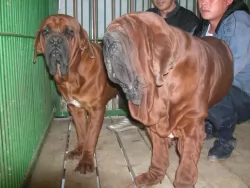 A Korean Mastiff is an easy dog to groom with his short smooth coat. He is a moderate shedder so a brush twice a week will be sufficient to maintain the shiny, smooth condition of his coat.
Because the dog has lots of skin and folds, these folds will need to be washed and kept clean as grime can collect.
While you're busy attending to his skin check his nails too and check inside and outside his ears for signs of redness and irritation.
Puppies use up more energy than mature adults, requiring a diet of good quality protein. Dogs that have been spayed or neutered will require less calories as will senior dogs.
Korean Mastiffs require high quality nutrition, and if its dry kibble, make sure its the best brand. Mix in some home-made food such as cooked chicken, brown rice and vegetables from time to time as well as some raw meat occasionally.
Protein and fat from good sources are top ingredients for your Korean Mastiff. Avoid food with allergens such as corn and wheat, sweeteners, preservatives and colorants.
Make sure your large pet has constant access to fresh water.