 MyDogBreeds
 Both English Cocker Spaniel and Welsh Corgi are originated from United Kingdom. English Cocker Spaniel may grow 13 cm / 6 inches higher than Welsh Corgi. Both English Cocker Spaniel and Welsh Corgi are having almost same weight. Both English Cocker Spaniel and Welsh Corgi has almost same life span. Both English Cocker Spaniel and Welsh Corgi has almost same litter size. English Cocker Spaniel requires Moderate maintenance. But Welsh Corgi requires High maintenance
 The English Cocker Spaniel has a rich history that dates back to at least the 14th century in England. Originally bred as a bird hunting dog, the breed's name "Cocker" comes from their specialization in hunting the woodcock bird.
Early spaniels, including the Cocker, were used as gun dogs to flush out and retrieve game. Over time, they were developed into a smaller, more agile hunter, distinct from other spaniels like the English Springer Spaniel.
By the 19th century, breeders in England focused on enhancing the breed's stamina, agility, and hunting instincts, while also fostering a gentle temperament. The English Cocker Spaniel became recognized as a separate breed from the American Cocker Spaniel in the early 20th century. Though originally bred for fieldwork, the breed’s affectionate nature and beautiful, silky coat led to its growing popularity as a companion dog.
Today, the English Cocker Spaniel is cherished both as a working dog and a family pet, known for its friendly, playful, and loyal personality.
 The Pembroke Welsh Corgi and the Cardigan Welsh Corgi were once considered to be two types of the same breed. Today they are recognized as very different breeds, but cousins of sorts.. They are alike in many ways and very different in others. The general information in terms of height and weight above applies to the more popular and better known Pembroke Welsh Corgi, developed as a herding dog from the spitz line in Pembroke shire, Wales. The Pembroke is famous for being the breed favored since childhood by Queen Elizabeth, the current queen of England. It’s believed that the Pembroke came to the country around the 10th century with Flemish weavers. The Cardigan is thought to have come with the Norse people and be a relative of the Sedish Vallhund.
The Cardigan Welsh Corgi, also a herding dog has their ancestry in ancient Celtic dogs. They are older than the Pembroke and hail from Cardiganshire, Wales.
Both breeds are friendly, smart and independent. Both dogs herd cattle and sheep. About the end of the 19th century, farmers in Cardiganshire began to raising sheep rather than cattle. The corgis were herding dogs for cattle. “Heelers” who avoid the cattle kicking them by nipping at the cattle’s heel. Pembrokeshore and Cardiganshire are counties in South West Wales that adjoin each other.
Then the move was made from cattle to sheep in Cardiganshire they bred their corgis with the Welsh Sheepdog where the merle color is said to come from, and the Pembroke Welsh Corgi. This caused the similarities between the two dwarf breeds. At the same time the distance grew between the two breeds and they grew into very distinct and different looking dogs. There are also some differences in their personalities.
The first corgi to appear at Crufts came in 1927 and in 1928 a Pembroke won a championship at Cardiff for the first ever corgi win. It was not until 1934 that the kennel club recognized them as separate breeds rather than a Pembroke shire type and a Cardiganshire type. From this point on the two are separate breeds with tremendous similarities. A Pem won the Reserve Best in Show at Crufts in 1955.
The first corgi came to the United States in 1933 by a breeder of Old English Sheepdogs. In 1934 the American Kennel Club (AKC) recognized Corgis as one breed with 2 types. The Pembroke has always been the more popular of the two.
 The English Cocker Spaniel is a medium-sized, elegant, and compact dog known for its beautiful coat and gentle nature. With a graceful, athletic build, it has a slightly wavy, silky coat that is longer on the ears, legs, chest, and belly, giving the dog a refined appearance.
Their large, expressive eyes and long, floppy ears add to their charming look. Typically, they stand between 15 to 17 inches (38 to 43 cm) tall and weigh between 26 to 34 pounds (12 to 15.5 kg), with males being slightly larger than females.
This breed is known for its friendly, affectionate nature, making it a beloved family companion. The English Cocker Spaniel is also energetic, requiring regular exercise and mental stimulation, and is well-suited for active families.
Originally bred as a bird hunting dog, they have a strong instinct for retrieving and a keen sense of smell. Despite their hunting background, they are also social and adaptable, getting along well with other pets and children.
Their eager-to-please attitude makes them trainable, though they do require consistency. Overall, the English Cocker Spaniel is a loving, playful, and loyal dog that thrives in a family environment.
 They used to differentiate between the Cardigan and the Pembroke by saying the Cardigan was the one with the bigger ears and the Pembroke had no tail. In many parts of the world where tail docking has been banned, most Pembrokes now have tails. Only those born without don’t have them. Both dogs are long and low to the ground with big chests and short legs. This is because they are dwarfs. They are not little dogs.
The Cardigan Welsh Corgi is heavier boned than the Pembroke, has large rounded ears and a flowing, fox like tail. The Cardigan comes in a variety of colors but never predominately white. He is double coated with a dense, harsh outer and a soft, short and thick undercoat.
Pembroke is smaller and longer than the Cardigan with pointed ears. They are intelligent, sturdy and strong with tremendous stamina. The tail is docked in the United States or the pups are bred not to have a tail. This was originally so that the cattle could not step on their tails and injure the dogs. The double coat on the Pembroke is short and weather resistant inner coat with a longer and rougher outercoat. He has the same deep dropped chest as the Cardigan. Both corgis shed voraciously.
 The English Cocker Spaniel is a medium-sized, graceful breed known for its friendly and affectionate nature. Standing between 15 to 17 inches tall and weighing between 26 to 34 pounds, they have a silky, slightly wavy coat with longer feathering on their ears, chest, legs, and belly, giving them an elegant appearance.
Their large, expressive eyes and long, floppy ears further enhance their charm. These dogs are gentle, playful, and social, forming strong bonds with their families and getting along well with children and other pets. Energetic and active, they enjoy regular exercise like walks, playtime, and sometimes swimming.
Smart and eager to please, they are relatively easy to train, though they may show a bit of independence at times. Loyal and loving, they seek companionship and attention from their owners. While generally healthy, English Cocker Spaniels can be prone to certain health issues like ear infections, hip dysplasia, and progressive retinal atrophy. Overall, they make excellent companions for active families or individuals due to their affectionate, energetic, and loyal temperament.
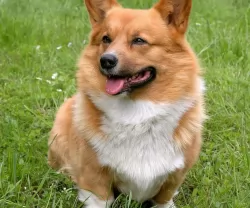 1Children friendliness For the most part they are good but can be grumpy and bossy. They are bossy personalities
3.Adaptability – Very. Can live anywhere but they do need to run and they bark a lot.
4.Learning ability – incredibly smart but stubborn. Respond well to training that is reward based.
 The English Cocker Spaniel is generally healthy, but like all breeds, it can be prone to certain health issues:
Ear Infections: Their long ears can trap moisture, leading to infections. Regular cleaning is essential.
Hip Dysplasia: A hereditary condition where the hip joint doesn’t develop properly, leading to arthritis and pain.
Progressive Retinal Atrophy (PRA): A genetic condition causing progressive vision loss.
The English Cocker Spaniel is generally healthy, but like all breeds, it can be prone to certain health issues:
Ear Infections: Their long ears can trap moisture, leading to infections. Regular cleaning is essential.
Hip Dysplasia: A hereditary condition where the hip joint doesn’t develop properly, leading to arthritis and pain.
Progressive Retinal Atrophy (PRA): A genetic condition causing progressive vision loss.
Cataracts: Cloudiness in the lens of the eye, common in older dogs. Autoimmune Disorders: Conditions like immune-mediated hemolytic anemia. Heart Issues: Mitral valve disease in older dogs. Obesity: Prone to weight gain if not properly exercised or fed. Regular vet visits, proper diet, and exercise help manage these conditions.
 • Degenerative Myelopathy – a muscular neurological disease very similar to Lou Gehrig’s Disease or ALS. It is always fatal.
• Some have cardiac issues while others may have hip dysplasia or Von Willebrand’s disease.
 Caring for an English Cocker Spaniel involves meeting their physical, emotional, and grooming needs. They are an active breed, so it’s important to provide daily exercise—a walk or play session for about 30 to 60 minutes will keep them happy and healthy. Mental stimulation is equally important, so be sure to provide toys, puzzles, and training sessions to keep their mind engaged.
Grooming is essential for this breed, as their long, silky coat needs to be brushed 2–3 times a week to prevent matting, especially around the ears and legs. Regular ear cleaning is also important to avoid infections, and they should be bathed every 4–6 weeks using a gentle dog shampoo.Nail trimming every 3–4 weeks and teeth brushing a few times a week will help maintain their overall health.
Their diet should consist of high-quality food tailored to their age, size, and activity level, with fresh water always available. Regular vet visits for vaccinations and health check-ups are crucial, and you should be vigilant for any signs of illness like ear infections or limping. Additionally, early socialization and positive reinforcement training will ensure they grow into well-rounded, obedient companions. By providing consistent care and attention to their physical and emotional needs, your English Cocker Spaniel will thrive as a loyal and loving member of the family.
 1Feeding the puppy prone to overweight, the pem needs ½ to 1 cup of small breed high quality food in 3-4 meals per day. The Cardigan needs ¾ to 1 ¼ cups of high quality small breed food in 3-4 meals per day.
2.Feeding the adult – Don’t overfeed them. The Pem need 1 cup per day of high quality small breed food in 2 meals per day. The Cardigan needs 1-1 ½ cups per day in one to two meals.
They are fast, athletic dogs. Agility, CAT, Barnhunt. Herding trials, flyball and they just love backyard ball fetching. Confirmation and obedience, along with rally.