 MyDogBreeds
 Gully Terrier is originated from India but American Hairless Terrier is originated from United States. Gully Terrier may grow 11 cm / 5 inches higher than American Hairless Terrier. Gully Terrier may weigh 23 kg / 51 pounds more than American Hairless Terrier. Both Gully Terrier and American Hairless Terrier has almost same life span. Gully Terrier may have more litter size than American Hairless Terrier. Gully Terrier requires Moderate maintenance. But American Hairless Terrier requires Low maintenance
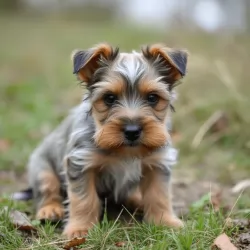 The Gully Terrier originated in India as a street dog, a mix of indigenous Indian Pariah Dogs and bully breeds like Pit Bulls and American Bulldogs.
Developed primarily for protection and hunting, they were used as guard dogs in urban and semi-urban areas. The name "Gully" refers to the narrow alleys and streets where these dogs were often found, while "Bully" highlights their muscular, strong build inherited from bully breeds.
Known for their loyalty, alertness, and protective instincts, Gully Terriers became valued companions for families in need of a strong, resilient dog that could thrive in tough environments.
 Derived from the Rat Terrier, the American Hairless Terrier was born in a litter of Rat Terriers in 1972.
The evolution of this breed is very different from other hairless breeds. The American Hairless Terrier was independently developed when a hairless pup was produced in a litter of normal Rat Terriers. The owners of this pup, Edwin and Willie Scott attempted to breed her to other Rat terriers but were not successful in having another hairless pup until years later. Then they had a litter with one male and one female hairless puppy.
From that point on they worked with a veterinarian and a geneticist to develop the breed until it was accepted as a separate breed from the Rat Terrier in 2004 and accepted into the AKC in 2016.
The breed is very rare and with hairless dogs breeding only produces about two thirds of the litter as hairless and one third as coated. If a hairless is bred to a coated terrier, the chances of getting hairless puppies are 50% hairless and 50% coated. It is very rare to get a hairless when breed two coated terriers. The difference between the American Hairless Terrier and other hairless breeds is that the hairless gene in most breed is a lethal dominant gene, but in the AHT it is a recessive gene.
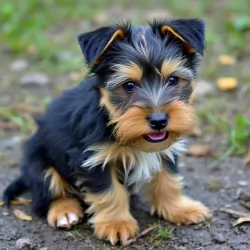
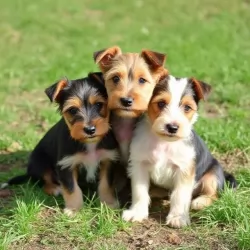 The Gully Terrier is a medium-sized, muscular dog known for its agility, loyalty, and protective nature. With a short, dense coat that comes in various colors, including black, brown, tan, and white, this breed has a distinctive appearance, often with a strong, powerful build.
The Gully Terrier is highly energetic and requires regular exercise to stay happy and healthy. Its intelligent, alert, and sometimes independent nature makes it a great guard dog and companion, although consistent training is necessary to manage its strong-willed personality.
This breed is well-suited for active families or individuals looking for a devoted and protective dog with a loving but protective demeanor.
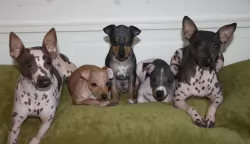
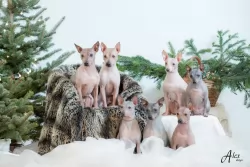
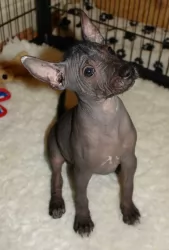 The American Hairless Terrier is similar to it’s breed of origin, the Rat Terrier, and the coated AHT looks very much like a Rat Terrier. They are small to medium in size, very muscular and have more refined features than the Rat Terrier. Their round eyes can be a variety of colors including amber, brown, grey, turquoise and blue. The tail is not docked but rather long and thin.
The AHT might have eyebrows and whiskers or they might only have whiskers. Their head is broad, and wedge shaped with upright ears. They are an energetic, social and intelligent dog.
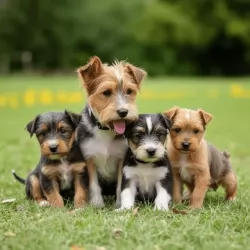 The Gully Terrier is a loyal, energetic, and intelligent breed with a strong, muscular build. Known for their protective nature, they make excellent guard dogs, staying alert and watchful of their surroundings.
While they are friendly and devoted to their family, they can also be independent and sometimes stubborn, requiring consistent training. Their short, dense coat is easy to groom, needing only regular brushing and ear cleaning.
Gully Terriers are active dogs that thrive on daily exercise and mental stimulation, making them great companions for those with an active lifestyle.
 This is a curious, intelligent, little dog. They are terrific family dogs with a note to say they are better with older children than with younger. If they are raised with small children, then they are terrific with them. They are territorial, and the children become part of their territory. They will guard and protect them.
They need to play, and this is the biggest requirement for owners. Be sure you have time for them. This is not a couch potato dog. They have a lot of energy and can be destructive and “barky” if that energy is not dissipated. They are terriers through and through and love to “go to ground” whether going in holes they find or digging the holes themselves. They will go after small rodents like chipmunks. They need to be protected in these activities since their skin is vulnerable to scratches and cuts from brush. Their prey drive is strong, so it is important to protect them from themselves in this respect.
They are curious and feisty and every inch the terrier. Affectionate, friendly, and social it is also important to remember they can be scared easily, hurt if play is too rough, and this will trigger barking. They make very good watch dogs.
 Like many medium to large-sized dogs, Gully Terriers can be prone to hip dysplasia, a condition where the hip joint doesn't develop properly, leading to arthritis and discomfort.
Due to their floppy or semi-erect ears, Gully Terriers can be more susceptible to ear infections. Regular ear cleaning and checking can help prevent this.
Their short coat can sometimes be prone to skin irritations, especially if they are exposed to harsh weather or poor hygiene. Allergies or parasite infestations (like fleas) can cause skin problems.
Gully Terriers are highly energetic, but they can be prone to obesity if they don't get enough exercise or are overfed. A balanced diet and regular activity are essential.
Some dogs in this breed may experience congenital eye issues like cataracts or progressive retinal atrophy (PRA), which can affect vision.
Regular vet check-ups to monitor joints, ears, and skin Consistent exercise to maintain a healthy weight Proper grooming to reduce risk of skin issues and ear infections
 There are not many health problems bothering this sturdy little dog.
The American Hairless Terrier has limited breeding stock and it is still a rare breed. Its health problems are mostly related to its hairless state. The breed is highly susceptible to sunburn, rashes, pimples, and allergies. They often need clothing in all seasons to protect them from the heat of the sun or from the cold. The skin must be cleaned regularly often daily with soap and water. This is especially true if sunscreen is used as they are open to skin infections.
Hip dysplasia is also a common issue for this small breed.
 Caring for a Gully Terrier is straightforward but requires attention to their exercise, grooming, and training needs:
Gully Terriers are energetic and need daily exercise. Regular walks, runs, or play sessions will keep them happy and healthy.
They are smart and need activities that challenge their minds, like puzzle toys or training sessions.
Their short coat requires minimal care. Brush them once or twice a week and clean their ears regularly to prevent infections. Trim nails as needed.
Gully Terriers can be a bit independent, so start training early with positive reinforcement. Socialize them with people and other animals to avoid territorial behavior.
Feed them a balanced diet and control their portions to avoid weight gain. Regular vet check-ups will help keep them healthy.
 The American Hairless Terrier has some food needs that might be different from other breeds. They should not be given food that contains soy, wheat or corn. They need to be fed at least 3-4 times a day in small amounts as puppies and twice a day as adult. Be sure to avoid overeating and obesity.
Puppies need about 400 calories a day whether you feed four times or two times. The adult American Hairless Terrier needs about 500-600 calories per day. This might be half a cup to a cup per day.
The American Hairless Terrier has some food needs that might be different from other breeds. They should not be given food that contains soy, wheat or corn. They need to be fed at least 3-4 times a day in small amounts as puppies and twice a day as adult. Be sure to avoid overeating and obesity.
Puppies need about 400 calories a day whether you feed four times or two times. The adult American Hairless Terrier needs about 500-600 calories per day. This might be half a cup to a cup per day.
As previously mentioned the American Hairless Terrier has skin health issues and is also prone to hip dysplasia.
This is a great breed for games if you make them small to match his size. He is energetic, athletic and playful. He loves agility, lure chasing and barn hunt activities. They need a good half hour of vigorous exercise per day.