 MyDogBreeds
 Gully Terrier is originated from India but Brittany is originated from France. Both Gully Terrier and Brittany are having almost same height. Gully Terrier may weigh 15 kg / 34 pounds more than Brittany. Both Gully Terrier and Brittany has almost same life span. Gully Terrier may have less litter size than Brittany. Gully Terrier requires Moderate maintenance. But Brittany requires Low maintenance
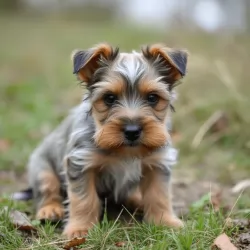 The Gully Terrier originated in India as a street dog, a mix of indigenous Indian Pariah Dogs and bully breeds like Pit Bulls and American Bulldogs.
Developed primarily for protection and hunting, they were used as guard dogs in urban and semi-urban areas. The name "Gully" refers to the narrow alleys and streets where these dogs were often found, while "Bully" highlights their muscular, strong build inherited from bully breeds.
Known for their loyalty, alertness, and protective instincts, Gully Terriers became valued companions for families in need of a strong, resilient dog that could thrive in tough environments.
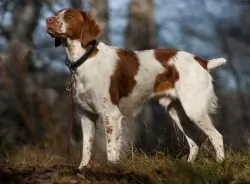 One of the most intense bird dog breeds in existence is the Brittany, bred for hunt. The breed used to be called the Brittany Spaniel, but since the breed is closer to a setter or pointer, that moniker has been dropped. The Brittany is named for the French Province in which they were originally developed. Sometime from the 17th to the 19th centuries, the breed was developed. Images of a very similar dog can be found on 17th century paintings and tapestries. However, the first written description comes from 1850 by a Reverend Davies, describing a hunting episode. The breed was recognized officially in the early part of the 20th century and made a splash at the 1900 Paris Dog Show.
The first official standards were written in about 1907 and the breed was recognized by the American Kennel Club (AKC) in 1934.The Brittany is expected to point to and then retrieve birds and other small ground game. Because the Brittany both points and retrieves they are known in the U.K. as a Hunt, Point and Retrieve breed or an HPR, and they have more Dual Champions than the rest of the AKC Sporting group.
There are actually two types of Brittanys in the minds of many breeders. There is the “French” Brittany and the “American” Brittany. When the breed arrived in the United States in 1931 they became immensely popular in a short period of time. In 1942 American Breeders began the American Brittany Club, rewriting the French standard to fit the dog they knew. Today there are definitely difference between the two sub-sets that can easily be seen. The French dog is smaller than the American dog. The American dog is a runner pacing ahead of the hunter while the French dog works more closely with their human companions. Another visible difference is that the French accept black spotted Brittanys, while in the United States a black spotted coat is considered a fault. Both sub-sets are known for their willingness to follow human directions, their eagerness for the hunt, and their agility and speed.
Unfortunately, the European wars took their toll on this breed as they did on many others. Following the second World War, their numbers in Europe were drastically reduced. The French had stop breeding them altogether during the war. It was in this depleted gene pool that the French agreed to accept the black spotted Brittany. Along with the U.S., Canada also does not recognize the black spotted Brittany.
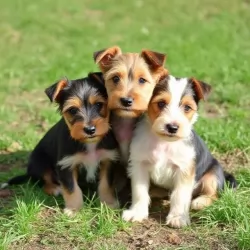 The Gully Terrier is a medium-sized, muscular dog known for its agility, loyalty, and protective nature. With a short, dense coat that comes in various colors, including black, brown, tan, and white, this breed has a distinctive appearance, often with a strong, powerful build.
The Gully Terrier is highly energetic and requires regular exercise to stay happy and healthy. Its intelligent, alert, and sometimes independent nature makes it a great guard dog and companion, although consistent training is necessary to manage its strong-willed personality.
This breed is well-suited for active families or individuals looking for a devoted and protective dog with a loving but protective demeanor.
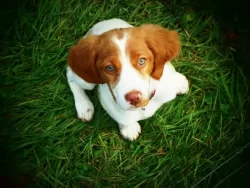 The Brittany is much like other hunting dogs – pointers and retrievers – in size and stature. He is solid and strong but not heavy. He is compact with an average size head and floppy ears, docked tails or short natural tails, and expressively intelligent looking eyes. He is athletic, energetic, and alert. He has a long, elastic and free gait. The French dog is smaller and the dog with black spots is accepted. The American Brittany is larger and only a tri-color of orange, liver and white is acceptable.
 The Gully Terrier is a loyal, energetic, and intelligent breed with a strong, muscular build. Known for their protective nature, they make excellent guard dogs, staying alert and watchful of their surroundings.
While they are friendly and devoted to their family, they can also be independent and sometimes stubborn, requiring consistent training. Their short, dense coat is easy to groom, needing only regular brushing and ear cleaning.
Gully Terriers are active dogs that thrive on daily exercise and mental stimulation, making them great companions for those with an active lifestyle.
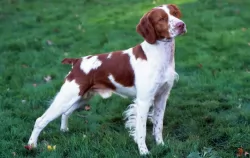 The Brittany is particularly trainable and friendly. They love to play and are sweet-natured. They don’t due well with harsh correction though and a stern look will cause them to wither. Socialize them young or they can become shy around strangers. They are loyal and family oriented. They can easily become attached to their humans.
 Like many medium to large-sized dogs, Gully Terriers can be prone to hip dysplasia, a condition where the hip joint doesn't develop properly, leading to arthritis and discomfort.
Due to their floppy or semi-erect ears, Gully Terriers can be more susceptible to ear infections. Regular ear cleaning and checking can help prevent this.
Their short coat can sometimes be prone to skin irritations, especially if they are exposed to harsh weather or poor hygiene. Allergies or parasite infestations (like fleas) can cause skin problems.
Gully Terriers are highly energetic, but they can be prone to obesity if they don't get enough exercise or are overfed. A balanced diet and regular activity are essential.
Some dogs in this breed may experience congenital eye issues like cataracts or progressive retinal atrophy (PRA), which can affect vision.
Regular vet check-ups to monitor joints, ears, and skin Consistent exercise to maintain a healthy weight Proper grooming to reduce risk of skin issues and ear infections
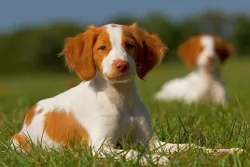 The breed is a hardy one and Brittanys are mostly healthy dogs. In Europe 1 in 5 dogs dies of old age and that age is usually 14 or 15 years. They do have a few issues that they may be susceptible to. These would include:
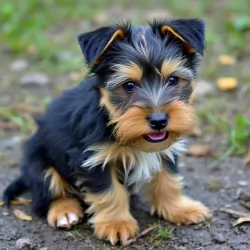 Caring for a Gully Terrier is straightforward but requires attention to their exercise, grooming, and training needs:
Gully Terriers are energetic and need daily exercise. Regular walks, runs, or play sessions will keep them happy and healthy.
They are smart and need activities that challenge their minds, like puzzle toys or training sessions.
Their short coat requires minimal care. Brush them once or twice a week and clean their ears regularly to prevent infections. Trim nails as needed.
Gully Terriers can be a bit independent, so start training early with positive reinforcement. Socialize them with people and other animals to avoid territorial behavior.
Feed them a balanced diet and control their portions to avoid weight gain. Regular vet check-ups will help keep them healthy.
 Don’t overfeed your Brittany. Keep him at hunting weight by feeding a half a cup up to 2 cups per day depending on the size of your dog and activity levels. Serve this in two meals not one.
Ears – prone to infections – make sure that you check them and wipe them out routinely to prevent infections.
Hip Dysplasia – bones don’t fit well into joints – this can be genetic or otherwise, causing lameness and arthritis. If severe it can require surgery to correct.
Epilepsy – mild or serious seizures are possible. This can be genetic/hereditary but is set off by an infectious disease of the brain, head injury, poison, tumor, or metabolic disorder. There is no cure, but medication can be very effective.
Hypothyroidism – Low levels of thyroid hormone – can cause drooping eyelids, obesity, lethargy, mental difficulties or irregular heat cycles or all of this. Medication is available as it is for humans but must be taken daily for the rest of the dog’s life
Canine Discoid Lupus Erythematosus – autoimmune disease that is rare in dogs. Cats and humans can also have it. It is a skin disease and does not become the more serious and deadly Systemic Lupus. The Discoid version of this disease causes loss of pigmentation and a scaling on the nose which can then progress to the skin around the ears, eyes and genitals. There could be ulcerated lesions and tissue death in more severe cases. Sun exposure can make the condition worse.
The Brittany is a hunting dog that acts like a pointer but will retrieve fowl and birds in the water or on land. If you don’t hunt, the Brittany can still be your family dog. They need lots of exercise and mental stimulation. They need a job if they are not going to hunt and expect them to be distracted by every bird they see. Try flyball, agility, FAST CAT, field trials and dock diving. They are very task oriented and have boundless energy. They excel at obedience and confirmation as well.