 MyDogBreeds
 Gully Terrier is originated from India but Ciobanesc de Bucovina is originated from Romania. Gully Terrier may grow 22 cm / 8 inches shorter than Ciobanesc de Bucovina. Gully Terrier may weigh 55 kg / 121 pounds lesser than Ciobanesc de Bucovina. Gully Terrier may live 3 years more than Ciobanesc de Bucovina. Both Gully Terrier and Ciobanesc de Bucovina has almost same litter size. Gully Terrier requires Moderate maintenance. But Ciobanesc de Bucovina requires High maintenance
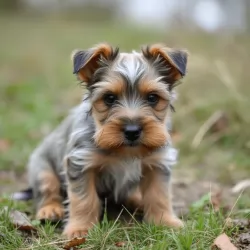 The Gully Terrier originated in India as a street dog, a mix of indigenous Indian Pariah Dogs and bully breeds like Pit Bulls and American Bulldogs.
Developed primarily for protection and hunting, they were used as guard dogs in urban and semi-urban areas. The name "Gully" refers to the narrow alleys and streets where these dogs were often found, while "Bully" highlights their muscular, strong build inherited from bully breeds.
Known for their loyalty, alertness, and protective instincts, Gully Terriers became valued companions for families in need of a strong, resilient dog that could thrive in tough environments.
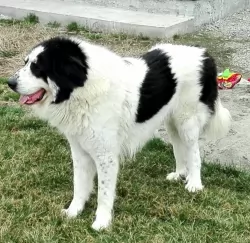 The Ciobanesc de Bucovina is a breed that developed naturally in the Carpathian Mountains (Romania and Serbia) and some regions of Bulgaria. The breed was especially useful in the Romanian northeast regions, the county Bucovina and in the northeastern region of Serbia. These dogs are bred for guarding and herding of flocks as well as guard dogs for the family home.
When the area was split between Russian and Romania, the dog continued to thrive in the mountains because of the need that the shepherds had for this type of dog with the build, working ability and temperament of the Bucovina.
Finally, in the 20th century, Romania began to urbanize and industrialize. People moved to the cities from the hills and many brought their dogs with them. This allowed many non-mountain Romanians to come into contact with the Bucovina Shepherd for the first time. He became a great family dog and offered guard dog protection as well.
The Romanian Kennel Club accepted the Ciobanesc du Bucovina in 1982 and wrote the first standard then. It has since been updated in 2001 and 2002 with today’s standard. They are not accepted by the international clubs nor the big clubs in the US and Europe. This is one factor in keeping the breed rare because it is little known outside of Romania.
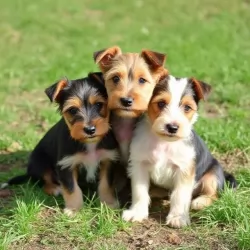 The Gully Terrier is a medium-sized, muscular dog known for its agility, loyalty, and protective nature. With a short, dense coat that comes in various colors, including black, brown, tan, and white, this breed has a distinctive appearance, often with a strong, powerful build.
The Gully Terrier is highly energetic and requires regular exercise to stay happy and healthy. Its intelligent, alert, and sometimes independent nature makes it a great guard dog and companion, although consistent training is necessary to manage its strong-willed personality.
This breed is well-suited for active families or individuals looking for a devoted and protective dog with a loving but protective demeanor.
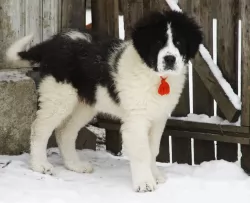 Most large mountain dogs resemble the Bucovina Shepherd, but this breed is more slightly built and has a lighter coat than most of the mountain dogs. They are still a very large dog weighing in between 70 and 120 pounds. They are powerfully built even if more slender than other mountain dogs. They have a long thick coat that makes it difficult to see how their bodies are formed, but they are a very muscular dog.
Their large head does indicate how powerful a dog he is, and he has a wide muzzle that tapers off at the end. The breed has small eyes that are either hazel or brown and his v-shaped ears hang downward on the side of his head. He has a wide, black nose and thick, dark lips. His tail is bushy and long.
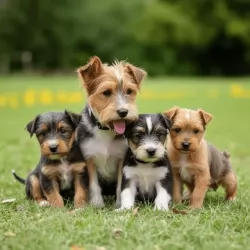 The Gully Terrier is a loyal, energetic, and intelligent breed with a strong, muscular build. Known for their protective nature, they make excellent guard dogs, staying alert and watchful of their surroundings.
While they are friendly and devoted to their family, they can also be independent and sometimes stubborn, requiring consistent training. Their short, dense coat is easy to groom, needing only regular brushing and ear cleaning.
Gully Terriers are active dogs that thrive on daily exercise and mental stimulation, making them great companions for those with an active lifestyle.
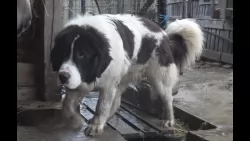 Bred to herd and guard cattle against the wolves and bears, it is a very dominant, self-assured, breed. They are intelligent yet laid back when no threat is suspected. They love children but can be hard to train. A dominant adult is needed to train and control the Ciobanesc de Bucovina. They are quite protective of their families and will patrol the property if left outside at night.
The breed has a strong mistrust of strangers but loves his adopted family. Unless threatened the Ciobanesc de Bucovina is calm and chilled. He is loyal, affectionate and dedicated. They attempt to frighten strangers with barks and growls but will attack if necessary. They are also very driven to chase prey so make sure they are in a locked fence. They can be difficult to train and seem to need a strong, alpha adult presence.
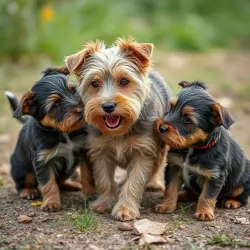 Like many medium to large-sized dogs, Gully Terriers can be prone to hip dysplasia, a condition where the hip joint doesn't develop properly, leading to arthritis and discomfort.
Due to their floppy or semi-erect ears, Gully Terriers can be more susceptible to ear infections. Regular ear cleaning and checking can help prevent this.
Their short coat can sometimes be prone to skin irritations, especially if they are exposed to harsh weather or poor hygiene. Allergies or parasite infestations (like fleas) can cause skin problems.
Gully Terriers are highly energetic, but they can be prone to obesity if they don't get enough exercise or are overfed. A balanced diet and regular activity are essential.
Some dogs in this breed may experience congenital eye issues like cataracts or progressive retinal atrophy (PRA), which can affect vision.
Regular vet check-ups to monitor joints, ears, and skin Consistent exercise to maintain a healthy weight Proper grooming to reduce risk of skin issues and ear infections
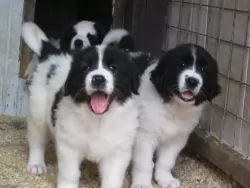 Not much has been done to study the health of this breed so not much is known for certain. It is known that they have good health as they have survived the harsh winters in the mountains while tending to the flocks.
Given their size and the history of mountain dogs, they could be susceptible to visual and skeletal amount of food and at the right times can prevent this. They could be susceptible to arthritis, knee and elbow dysplasia, and cataracts.
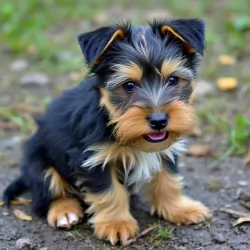 Caring for a Gully Terrier is straightforward but requires attention to their exercise, grooming, and training needs:
Gully Terriers are energetic and need daily exercise. Regular walks, runs, or play sessions will keep them happy and healthy.
They are smart and need activities that challenge their minds, like puzzle toys or training sessions.
Their short coat requires minimal care. Brush them once or twice a week and clean their ears regularly to prevent infections. Trim nails as needed.
Gully Terriers can be a bit independent, so start training early with positive reinforcement. Socialize them with people and other animals to avoid territorial behavior.
Feed them a balanced diet and control their portions to avoid weight gain. Regular vet check-ups will help keep them healthy.
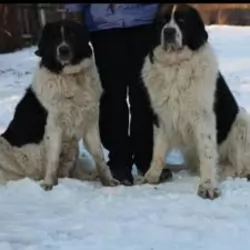 It is important not to over feed or to feed to much at one time. Even though they are large and powerful dogs, massive meals can cause bloat, so you are better off with 2-4 smaller meals per day. Also, don’t feed right before or right after strenuous exercise.
As previously mentioned this breed does not appear to have many health issues. As they developed naturally in the mountains they have not been exposed to many things there.
This was already mentioned but it is a very serious condition and requires veterinary assistance immediately under threat of death.
They can have either hip or elbow dysplasia. Can lead to arthritis of lameness.
This is a calm, even tempered dog not needing a lot of exercise. However, he is a big dog and can get obese without daily exercise. A large fenced in yard would be appreciated and a nice brisk walk every day. They would probably enjoy flyball and leurcatch. Any herding or hunting would be enjoyed.