 MyDogBreeds
Gully Terrier is originated from India but Hawaiian Poi Dog is originated from Indonesia. Gully Terrier may grow 18 cm / 8 inches higher than Hawaiian Poi Dog. Gully Terrier may weigh 20 kg / 45 pounds more than Hawaiian Poi Dog. Gully Terrier may live 7 years more than Hawaiian Poi Dog. Gully Terrier may have more litter size than Hawaiian Poi Dog. Gully Terrier requires Moderate maintenance. But Hawaiian Poi Dog requires Low maintenance
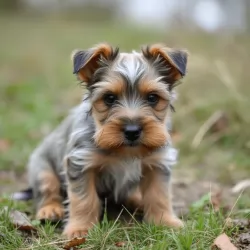 The Gully Terrier originated in India as a street dog, a mix of indigenous Indian Pariah Dogs and bully breeds like Pit Bulls and American Bulldogs.
Developed primarily for protection and hunting, they were used as guard dogs in urban and semi-urban areas. The name "Gully" refers to the narrow alleys and streets where these dogs were often found, while "Bully" highlights their muscular, strong build inherited from bully breeds.
Known for their loyalty, alertness, and protective instincts, Gully Terriers became valued companions for families in need of a strong, resilient dog that could thrive in tough environments.
The Hawaiian Poi Dog was a descendent of the dogs brought to the Islands by the Polynesian. These Polynesian dogs were themselves descendants of the kuri dog of New Zealand. These kuri dogs were originally from Indonesia. The Hawaiian Poi dog is now extinct but at one time was considered the spiritual protector of Hawaiian children and also used as food by hungry Native Hawaiians.
The dog was called poi which was the word for a food staple mad from the root of Taro and used to put weight on the dogs before they were eaten. Meat was not fed to the dogs because it was too scarce. There was no large mammals to hunt and so the breed was never given a standard. The Poi dog seen by European explorers were short legged, pot bellied canines that lived with the hogs in the towns. Because of what they ate, the dogs were not highly intelligent but were stubborn and hard to train. Because the dogs were not suited for much beyond food and a spiritual charm, they became extinct when the traditional religion was no longer practiced and eating dogs was no longer acceptable. The breed pretty much disappeared by the early 20th century. Very few images of the dogs remain except for ancient petroglyphs.
There was an attempt by the Honolulu Zoo in the late 1960’s to redevelop the breed using local dogs to determine a standard. Then the local dogs were bred as close to the standard as possible. In the third generation one dog was born with the traits of a Poi dog. There was not much more success with this and then the Polynesian ship travel between Tahiti and Hawaii was recreated and a dog taken along.
Today’s mixed breed dogs in Hawaii are called Poi dogs but also have the stubbornness, unique appearance and ability to eat anything it is given like the original Poi. The dogs are small, and should not be confused with the original Poi dogs.
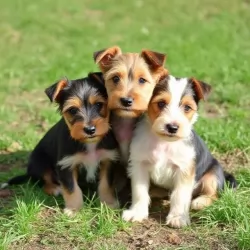 The Gully Terrier is a medium-sized, muscular dog known for its agility, loyalty, and protective nature. With a short, dense coat that comes in various colors, including black, brown, tan, and white, this breed has a distinctive appearance, often with a strong, powerful build.
The Gully Terrier is highly energetic and requires regular exercise to stay happy and healthy. Its intelligent, alert, and sometimes independent nature makes it a great guard dog and companion, although consistent training is necessary to manage its strong-willed personality.
This breed is well-suited for active families or individuals looking for a devoted and protective dog with a loving but protective demeanor.
As previously mentioned the Poi dog is somewhat unusual in size and shape due to what they ate. They looked somewhat like the native dogs of Polynesia and New Zealand. They have short legs, long bodies, somewhat obese and a very flat head. He had a short smooth coat, in any color or any pattern. They were however mostly brown and they might or might not have white markings.
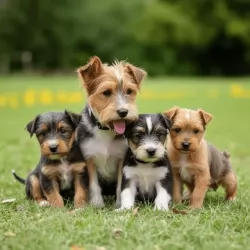 The Gully Terrier is a loyal, energetic, and intelligent breed with a strong, muscular build. Known for their protective nature, they make excellent guard dogs, staying alert and watchful of their surroundings.
While they are friendly and devoted to their family, they can also be independent and sometimes stubborn, requiring consistent training. Their short, dense coat is easy to groom, needing only regular brushing and ear cleaning.
Gully Terriers are active dogs that thrive on daily exercise and mental stimulation, making them great companions for those with an active lifestyle.
The Hawaiian Poi dog was very friendly and good with children
The Poi was considered a good luck charm and a spiritual protector of children
Given what they faced in life, the Poi dog was very adaptable, living anywhere on the islands and eating anything it could find.
Due to their poor diet, the Hawaiian Poi dog was seriously lacking in intelligence and learning ability.
 Like many medium to large-sized dogs, Gully Terriers can be prone to hip dysplasia, a condition where the hip joint doesn't develop properly, leading to arthritis and discomfort.
Due to their floppy or semi-erect ears, Gully Terriers can be more susceptible to ear infections. Regular ear cleaning and checking can help prevent this.
Their short coat can sometimes be prone to skin irritations, especially if they are exposed to harsh weather or poor hygiene. Allergies or parasite infestations (like fleas) can cause skin problems.
Gully Terriers are highly energetic, but they can be prone to obesity if they don't get enough exercise or are overfed. A balanced diet and regular activity are essential.
Some dogs in this breed may experience congenital eye issues like cataracts or progressive retinal atrophy (PRA), which can affect vision.
Regular vet check-ups to monitor joints, ears, and skin Consistent exercise to maintain a healthy weight Proper grooming to reduce risk of skin issues and ear infections
Probably due to its diet, the Poi dog had several problems to their health. Their poor diet led to a sluggishness both in movement and intelligence. Its development was hampered by a lack of protein. Malnutrition and serious over inbreeding caused a weakness and poor oral hygiene. Due to this lack of teeth and chewing the bones in the dogs heads became flat. The Poi had breathing issues and overall lethargy.
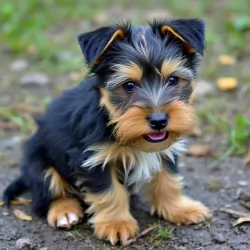 Caring for a Gully Terrier is straightforward but requires attention to their exercise, grooming, and training needs:
Gully Terriers are energetic and need daily exercise. Regular walks, runs, or play sessions will keep them happy and healthy.
They are smart and need activities that challenge their minds, like puzzle toys or training sessions.
Their short coat requires minimal care. Brush them once or twice a week and clean their ears regularly to prevent infections. Trim nails as needed.
Gully Terriers can be a bit independent, so start training early with positive reinforcement. Socialize them with people and other animals to avoid territorial behavior.
Feed them a balanced diet and control their portions to avoid weight gain. Regular vet check-ups will help keep them healthy.
With meat being rare in Hawaii, none was available for the dogs. They were fed Poi – from the Taro plant roots. Puppies were fed 2-3 times a day.
The adult dog was fed once or twice a day the same as Poi puppies were fed.
The Hawaiian Poi dog basically has not good health points.
The Poi dog did not need and did not get much exercise, leading to its demise.