 MyDogBreeds
Gully Terrier is originated from India but Other is originated from United States. Gully Terrier may grow 34 cm / 13 inches shorter than Other. Gully Terrier may weigh 82 kg / 180 pounds lesser than Other. Gully Terrier may live 5 years less than Other. Gully Terrier may have less litter size than Other. Gully Terrier requires Moderate maintenance. But Other requires Low maintenance
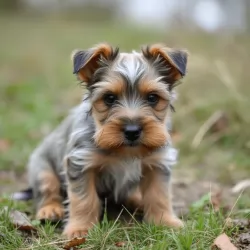 The Gully Terrier originated in India as a street dog, a mix of indigenous Indian Pariah Dogs and bully breeds like Pit Bulls and American Bulldogs.
Developed primarily for protection and hunting, they were used as guard dogs in urban and semi-urban areas. The name "Gully" refers to the narrow alleys and streets where these dogs were often found, while "Bully" highlights their muscular, strong build inherited from bully breeds.
Known for their loyalty, alertness, and protective instincts, Gully Terriers became valued companions for families in need of a strong, resilient dog that could thrive in tough environments.
Dog lovers are thrilled because there is such diversity to choose from when looking for a pet.
There are so many other dogs that don’t have any particular breed name, and these can be tiny dogs or massive dogs that you would have to think twice about before buying one, as a large dog can eat you out of hearth and home.
All dogs, pedigreed or other, have descended from the wolf but it is unsure about when dogs were actually domesticated. One thing is sure, it is amazing to think that dogs descended from wolves but that you get so many varieties to day – different sizes, different coat colors and lengths, some have erect ears, others floppy, some are lean and mean and others muscular and heavily-set. They have all originated from different parts of the world.
There are well over 100 different pure dog breeds as well as plenty of other dogs. In fact you can create many different dogs by breeding certain of them to get the looks and characteristics you want.
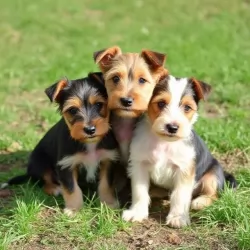 The Gully Terrier is a medium-sized, muscular dog known for its agility, loyalty, and protective nature. With a short, dense coat that comes in various colors, including black, brown, tan, and white, this breed has a distinctive appearance, often with a strong, powerful build.
The Gully Terrier is highly energetic and requires regular exercise to stay happy and healthy. Its intelligent, alert, and sometimes independent nature makes it a great guard dog and companion, although consistent training is necessary to manage its strong-willed personality.
This breed is well-suited for active families or individuals looking for a devoted and protective dog with a loving but protective demeanor.
Dogs today come with so many looks. ‘Other’ dogs are vast and varied. They may be pedigreed dogs that are ‘off the radar’ or they may be among the many ‘cross-breed’ dogs there are.
You can get a tiny Chihuahua, measuring just 9cm in height, but you can also get a huge dog like the Great Dane that can stand at up to 90cm in height. It isn't however, a heavily built dog like the giant Newfoundland which can weigh up to 117 kg or so.
Some dogs are intelligent, others not so much. Others are social and others more reserved. Some won’t be able to tolerate being cooped up indoors and not being able to be outdoors involved in an activity, while others are more indoor dogs.
Some dog are friendly, others indifferent, some boisterous and sporty, others docile and lazy. There are so many other dogs that don’t make the pedigreed list, but they’re adored by their human family for being so utterly unique.
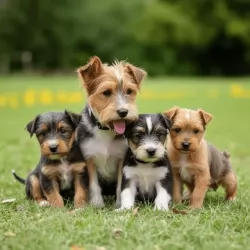 The Gully Terrier is a loyal, energetic, and intelligent breed with a strong, muscular build. Known for their protective nature, they make excellent guard dogs, staying alert and watchful of their surroundings.
While they are friendly and devoted to their family, they can also be independent and sometimes stubborn, requiring consistent training. Their short, dense coat is easy to groom, needing only regular brushing and ear cleaning.
Gully Terriers are active dogs that thrive on daily exercise and mental stimulation, making them great companions for those with an active lifestyle.
There are so many dogs, some are pedigree dogs and some aren’t. Some dogs are registered with kennel clubs and others aren’t.
Every dog has some amazing characteristics that make them so adorable. These kennel clubs divide dogs into categories such as Terriers, working dogs, herding dogs, toy breeds, hounds and so on. Pedigree breeds belong to these groups.
Other dogs are just as special, even if they don’t fall into the many dog breeds recognized by major kennel clubs.
There are so many other dog breeds, and if you want to bring some canine magic into your home and heart, apart from the very many expensive dog breeds out there, there are other dogs.
These are hybrids or true one-of-a-kind pavement specials that come at a fraction of the price but with the most amazing and wonderful characteristics you can imagine and which will make a most splendid pet.
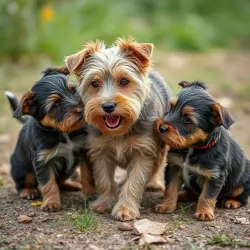 Like many medium to large-sized dogs, Gully Terriers can be prone to hip dysplasia, a condition where the hip joint doesn't develop properly, leading to arthritis and discomfort.
Due to their floppy or semi-erect ears, Gully Terriers can be more susceptible to ear infections. Regular ear cleaning and checking can help prevent this.
Their short coat can sometimes be prone to skin irritations, especially if they are exposed to harsh weather or poor hygiene. Allergies or parasite infestations (like fleas) can cause skin problems.
Gully Terriers are highly energetic, but they can be prone to obesity if they don't get enough exercise or are overfed. A balanced diet and regular activity are essential.
Some dogs in this breed may experience congenital eye issues like cataracts or progressive retinal atrophy (PRA), which can affect vision.
Regular vet check-ups to monitor joints, ears, and skin Consistent exercise to maintain a healthy weight Proper grooming to reduce risk of skin issues and ear infections
Other dogs are considered somewhat healthier than purebred dogs because they come from a broader gene pool. Nonetheless you still need to be aware of certain dog illnesses that your dog can develop -
This is a common ailment in dogs, and skin allergies can cause your dog a lot of discomfort and pain. They lick and lick and aggravate the situation. Sometimes fleas, chemicals and dog shampoos can aggravate the skin too. There are several things to look at – from making environmental changes to changing your dog’s food.
Cancer is common in dogs, just as in human beings, with there being a number of different cancers. Whenever you brush your dog, run your hands over him to check if there are any unusual lumps on him and have them examined if you do discover a lump.
Other dog illnesses to watch out for include bloat, ear and eye infections, cataracts, hip dysplasia and obesity, among others.
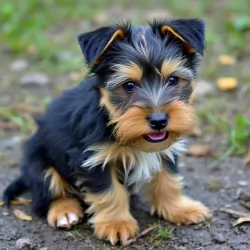 Caring for a Gully Terrier is straightforward but requires attention to their exercise, grooming, and training needs:
Gully Terriers are energetic and need daily exercise. Regular walks, runs, or play sessions will keep them happy and healthy.
They are smart and need activities that challenge their minds, like puzzle toys or training sessions.
Their short coat requires minimal care. Brush them once or twice a week and clean their ears regularly to prevent infections. Trim nails as needed.
Gully Terriers can be a bit independent, so start training early with positive reinforcement. Socialize them with people and other animals to avoid territorial behavior.
Feed them a balanced diet and control their portions to avoid weight gain. Regular vet check-ups will help keep them healthy.
Responsible dog owners know that their dogs require adequate food and water, lots of love and attention, exercise, a warm, dry bed, shelter from the elements when outdoors and medical attention when they’re sick.
One advantage with other dogs which aren’t pedigreed, is that by their very nature, they have good genetic diversity, and this means good overall health. Other dogs breeds are generally cheaper to buy and cheaper in terms of vet’s fees as they tend to be healthier.
Other dogs have a variety of different coat types, so whatever dog you have, you’ll need to be looking at brushing him, stripping him or having him professionally clipped. Whether erect or floppy ears, check inside for infection. The eyes will also need to be checked for infection and other eye ailments. All dogs will also have to have their nails clipped.
The size of all dogs, pedigree or other will determine the amount of food you give him. Big or small, pedigreed or other, every dog wants the same when it comes to diet. They want food which is nutritious, tasty and simple. They want a high quality commercially manufactured food high in minerals and vitamins.
They will benefit from some raw meat added into the kibble whenever its possible. They will also require some home-made food – simple, uncomplicated homemade food such as boiled chicken, brown rice or pasta and vegetables such as sweet potato, carrots and spinach. Such a diet will keep your pet free from digestive problems. Make sure he has a constant supply of cool, fresh water.
Exercise is important for every dog, but some dogs will require more exercise than others. Some dogs will be content with a walk every day while others will require far more – running beside you while you cycle, swimming, a run in the park, rope- and ball games and going with you on hikes.
Exercise is both entertaining for your dog and healthy too.