 MyDogBreeds
 Akita Inu is originated from Japan but Russell Terrier is originated from United Kingdom. Akita Inu may grow 36 cm / 15 inches higher than Russell Terrier. Akita Inu may weigh 27 kg / 60 pounds more than Russell Terrier. Both Akita Inu and Russell Terrier has almost same life span. Both Akita Inu and Russell Terrier has almost same litter size. Akita Inu requires Moderate maintenance. But Russell Terrier requires Low maintenance
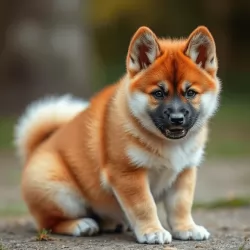 The Akita Inu, originating from Japan's snowy Akita Prefecture, has a long-standing legacy as a powerful hunting dog and loyal companion. Bred in the 1600s to track large game like boar and bear, the Akita quickly earned its place among Japanese nobility as a guardian and symbol of courage.
Its dignified nature and unwavering loyalty were immortalized in the true story of Hachikō, an Akita who waited nearly a decade for his deceased owner at a Tokyo train station. This devotion captured national and global admiration, leading to the breed’s recognition as a national treasure in Japan.
After World War II, American soldiers introduced Akitas to the West, giving rise to a larger, more robust variation known as the American Akita. Today, the Akita Inu remains a cherished breed worldwide for its strength, loyalty, and quiet dignity.
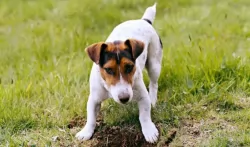 This feisty little dog was developed in England a couple of centuries ago. He has a well documented history. An interesting aspect with this dog is that the very name ‘Jack Russell’ became a common name for predominantly white terriers after the death of clergyman Jack Russell.
The Russell Terrier was developed from Jack Russell working terrier strains that were used in the 19th century for hunting fox. The dog has been standardized by Kennel Club recognition. The Fedédération Cynologique Internationale also recognizes the breed.
It was in the early 1970s that the Jack Russell Terrier Club of Great Britain was formed.
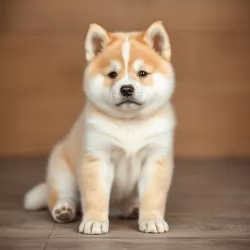 The Akita Inu is a large, powerful, and dignified dog breed known for its striking appearance, quiet nature, and unwavering loyalty.
Originating from Japan, it has a broad head, erect triangular ears, and a plush double coat that comes in red, white, brindle, or sesame, with characteristic urajiro (whitish markings). The Akita carries itself with pride and confidence, often aloof with strangers but deeply affectionate and protective toward its family.
Calm, intelligent, and strong-willed, the breed requires early socialization and firm, consistent training. Though not ideal for first-time owners, the Akita Inu is a loyal guardian and devoted companion for those who understand and respect its independent spirit.
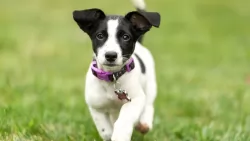 The Russell Terrier has a weatherproof coat that is mainly white with patches of tan or black or maybe even both. You get the smooth haired type, the broken type- as well as the rough haired Russell Terrier. All these coats shed.
He is a small dog standing at between 20-35cm in height and weighing between 7 and 12kg.
Your Russell Terrier is a jaunty, fearless, confident little dog with a powerful personality. The bright face with alert eyes are constantly telling you that he is just ready to spring into action when you’re ready.
He just loves games and sports and you won’t have to ask him twice to join in. Happy and energetic, you could say it's his desire to hunt as well as his high energy levels that make it necessary for him to be trained and socialized It is of particular importance because he is so strong willed. Super smart, you won't have any trouble teaching him some basic commands.
He also makes a good watch dog and while he can be aggressive towards other dogs, he is prepared to get along with children in the house who have been disciplined and who know how to treat animals with respect and kindness.
 The Akita Inu is a large, noble, and powerful breed known for its dignified presence, strong loyalty, and quiet confidence. Originally bred for hunting and guarding, Akitas are naturally protective, courageous, and independent thinkers.
They form deep bonds with their family but are often aloof with strangers. Calm and clean by nature, they rarely bark without reason and carry themselves with elegance and strength.
Their double coat is thick and weather-resistant, requiring regular grooming, and they shed heavily, especially seasonally.
While intelligent, Akitas can be stubborn, so they thrive best with experienced owners who can offer consistent training and leadership. With proper care and socialization, the Akita Inu is a devoted, majestic companion.
 It is true that this very active, very 'in-your-face' dog may not be everybody’s cup of tea. He will be discontent if not given the chance to run and be active.
If you’re a super active family who loves swimming, going on hikes or you enjoy sports such as cycling and horse riding, you can count the Russell Terrier in every time.
These dogs make a loving, loyal companion. They'll make you smile and be amused by their antics, bringing you lots of joy and entertainment.
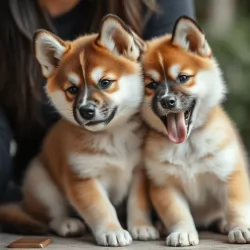 The Akita Inu is generally a strong and resilient breed, but it is prone to several genetic and breed-specific health issues.
Common concerns include hip and elbow dysplasia, progressive retinal atrophy (PRA), and hypothyroidism, all of which can affect mobility, vision, and metabolism.
The breed is also susceptible to autoimmune disorders like VKH-like syndrome and sebaceous adenitis, a skin condition causing hair loss and irritation. Additionally, Akitas may experience bloat (gastric torsion), a life-threatening emergency common in deep-chested dogs.
Regular veterinary care, proper diet, and responsible breeding practices are essential to help minimize health risks and ensure a long, healthy life.
 The Russell Terrier is a robust little dog who can lead a good, healthy life of 13, 14 or 15 years if well cared for. There are however, a number of common dog ailments that he can succumb to. Some of these are cataracts, deafness and myasthenia gravis.
This disorder is caused by a breakdown of the transmission of impulses from the nerves to the muscles. The muscles can’t contract and the dog becomes weak. It’s a disease that can be an inherited congenital defect, and the Russell Terrier is at risk of getting this disease. Symptoms do vary from dog to dog but a common symptom is muscle weakness.
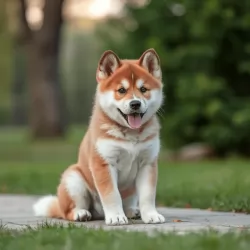 Caring for an Akita Inu involves commitment, consistency, and understanding of the breed's unique needs. They require regular grooming, especially during seasonal shedding, with brushing at least 2–3 times a week and daily during coat blow periods.
Akitas thrive on routine exercise, such as long walks or playtime in a secure area, but they aren’t overly energetic. Training and socialization should start early, using positive reinforcement and calm, firm leadership to manage their independent and protective nature.
They are best suited to homes where they are the only pet or properly introduced to others. Akitas are clean, quiet, and typically bond closely with their family, so providing mental stimulation, affection, and clear boundaries is key.
Regular vet checkups, a balanced diet, and proper social interaction help keep your Akita healthy, happy, and well-adjusted.
 This little dog needs plenty of exercise, and being lazy yourself and not exercising him will lead to him becoming destructive through no fault of his.
He will need walks every day as well as runs in the park off his leash. Ball- and frisbee games fill him with delight and he gives chase every time. Even though he is small, he isn’t recommended for life in the city and small properties as he is a small dog with high energy needs and requires a lot of room to run.
The weatherproof coat isn’t going to require much grooming apart from a brushing twice week. Regular checking of the teeth, checking the eyes, looking inside the ears and checking for lumps will be required. He will also need to have his nails trimmed.
Provide him with nice, warm, dry place to sleep.
Have him neutered or spayed if you aren’t wanting puppies.
Keep his vaccines up to date and get him to a vet if you see his is lethargic, miserable and in pain.
Provide him with top quality food, whether it is commercially manufactured food or homemade food.
Your Russell Terrier will be relying on you for good food. Try to include some home-made food for him which can be simply mixed into the kibble twice a week which is easy to prepare and totally uncomplicated.
You can add everything together in one big pot -chicken, brown rice or pasta and spinach, sweet potatoes and carrots. This food can all be chopped up, refrigerated and added warmed up and in small portions to your pets dry kibble once or twice a week.
Simple and tasty, your Russell Terrier will love tasty treats like this. Ensure he always has a bowl of fresh, cool water within his reach.